
Gut Health
How Do I Restore My Gut Biome: Effective Strategies for Long-Term Health

The content on this website – including articles, event announcements, personal experiences, and recommendations – is for informational and educational purposes only and is not medical advice. Always consult a qualified healthcare professional before making any changes to your diet, exercise, supplements, sleep habits, or wellness routines, especially if you are pregnant, nursing, on medication, or have any medical condition.
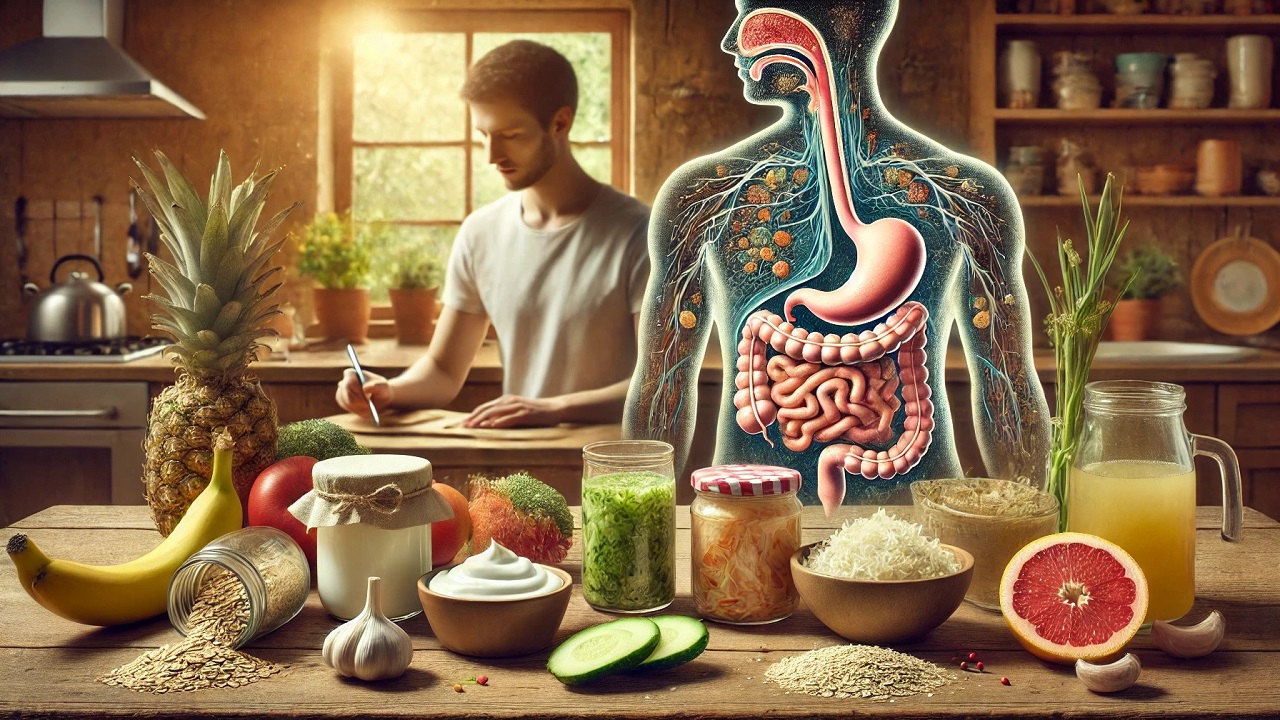
Important note: This article provides general educational information about gut health and does not constitute medical advice, diagnosis, or treatment. Persistent digestive symptoms, unexplained weight changes, or signs of significant microbial imbalance should be evaluated by a healthcare professional rather than addressed through diet and lifestyle changes alone.
How Do I Restore My Gut Biome? Proven Ways to Improve Gut Health Naturally
Your gut is home to something like 100 trillion microorganisms — more cells than exist in the rest of your body combined, according to the NIH. When that ecosystem gets out of balance, it doesn’t just affect digestion; research has tied gut health to immune function, nutrient absorption, and even mood regulation. Here’s what actually helps, based on current research, not just what sounds intuitive.
Key Takeaways
- Your gut microbiome plays a genuine role in digestion, immune function, and nutrient absorption — not just “digestive comfort”
- Fiber intake is the single most evidence-backed lever: current guidelines recommend 25g/day for women and 38g/day for men, and most people fall well short
- Sleep, stress, and exercise all measurably affect gut bacterial diversity — not just general wellness talking points, but documented physiological pathways
- Probiotic and fermented food benefits are real but strain- and use-case-specific, not a blanket “take this daily” recommendation
- At-home gut microbiome tests currently have real, documented reliability problems — worth knowing before spending money on one
Understanding The Gut Biome
The gut is home to an array of tiny organisms that work silently to help us digest food, make vitamins, and keep our immune system in check. In many ways, your digestive tract is like a busy city where each microbe plays a part in keeping things running smoothly.
The Role of Microbes in Health
Your gut bacteria do things your own digestive enzymes can’t: they break down complex carbohydrates and fiber, and in the process produce compounds your body actually uses — including vitamin K and several B vitamins that certain gut bacteria synthesize directly. They also help train parts of your immune system to distinguish between harmful invaders and harmless substances.
Factors Affecting Gut Diversity
| Factor | Positive Effect | Negative Effect |
|---|---|---|
| Diet | Fiber and diverse plant foods increase microbial variety | Highly processed, low-fiber diets reduce diversity — Stanford microbiome research has shown measurable reductions within days |
| Physical Activity | Regular moderate exercise is associated with greater microbial diversity, independent of diet | A sedentary lifestyle is associated with lower diversity |
| Medications | Antibiotics can target harmful bacteria when medically necessary | Antibiotics don’t distinguish between harmful and beneficial bacteria, and can reduce diversity for weeks to months afterward |
Signs of an Unbalanced Microbiome
Common signs include frequent bloating, irregular bowel movements, unexplained fatigue, and skin issues like acne or eczema. Occasional symptoms aren’t necessarily cause for concern — but if they’re persistent or worsening, it’s worth addressing rather than assuming it’ll resolve on its own.
If you notice any of these signs over an extended period, it might be time to look closer at your gut health. Making small adjustments to your diet and lifestyle can sometimes help reset the balance.
Understanding how these tiny organisms work together gives you a clearer picture of your health. Adjustments in everyday habits can have a subtle yet important impact on the variety and health of your gut microbes.
Nourishing Your Gut With Diet
Incorporating Polyphenol-Rich Foods
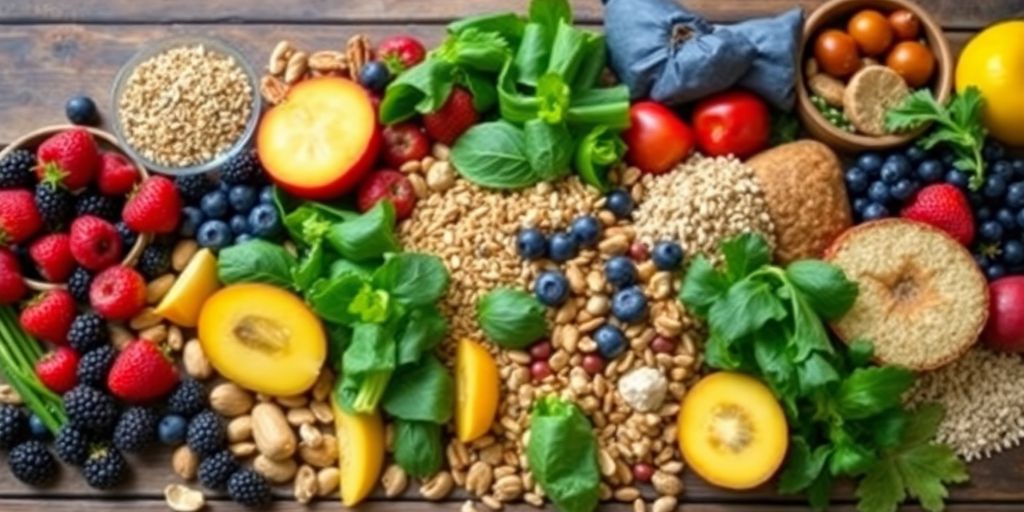
Polyphenols — plant compounds found in berries, green tea, and colorful vegetables — have documented prebiotic-like effects, meaning they help feed beneficial bacteria strains specifically, not just fiber generally. Diversity of plant foods (not just quantity) is associated with greater microbial diversity in research, so variety matters as much as volume here.
Some ideas to boost your intake:
- Enjoy a cup of green tea during your break
- Mix berries into your morning oatmeal
- Snack on raw veggies with a little dip
The Importance of Fiber
This is the most evidence-backed recommendation in gut health. The 2020-2025 Dietary Guidelines for Americans recommend roughly 25g of fiber daily for women and 38g for men — most people following a typical Western diet get well under half that. Fiber reaches your colon largely undigested, where gut bacteria ferment it into short-chain fatty acids (SCFAs) like butyrate, which serves as the primary fuel source for the cells lining your colon.
| Food | Fiber (g) per serving |
|---|---|
| Oats | 4 |
| Lentils | 8 |
| Apples | 3 |
Both soluble and insoluble fiber matter, since they support your gut in different ways — soluble fiber feeds bacteria directly, while insoluble fiber adds bulk that supports regular movement.
Avoiding Processed Foods
Highly processed foods — particularly those high in refined sugar and additives — have been shown in research to reduce microbial diversity, sometimes within days of a low-fiber diet, according to Stanford’s Sonnenburg lab research on diet and the microbiome. This doesn’t require total elimination; shifting your overall pattern matters more than any single meal.
Here are a few tips to guide you in avoiding processed items:
- Focus on fresh ingredients when possible
- Read labels to know what you’re eating
- Prepare meals at home to control what goes into your food
Consistently choosing whole foods over processed alternatives can change how you feel. That extra bit of effort in the kitchen may be the step your gut needs for better performance in the long run.
Establishing Healthy Routines
Our daily routines can really impact how our guts feel over time. It’s not just about food. Sleep, stress, and movement all play a part in keeping your gut happy.
Creating a Consistent Sleep Schedule
Poor or inconsistent sleep has been linked to reduced gut microbial diversity in research, likely because gut bacteria — like the rest of your body — operate on circadian rhythms that get disrupted along with irregular sleep. A consistent sleep and wake time, even on weekends, matters here nearly as much as total hours. Here’s an example of a simple sleep routine:
| Time | Activity |
|---|---|
| 10:00 PM | Begin winding down |
| 10:30 PM | Turn off screens and relax |
| 11:00 PM | Lights out & sleep starts |
| 7:00 AM | Wake-up naturally |
This kind of routine can help balance your internal clock and give your gut a chance to reset every day.
Managing Stress Levels
Chronic stress measurably disrupts gut bacterial balance and can affect intestinal permeability — this is a documented physiological pathway involving cortisol and the vagus nerve, not a vague wellness claim. A few simple ways to manage stress include:
- Practicing mindfulness or even a few minutes of deep breathing
- Taking breaks during the day to clear your head
- Writing down what’s on your mind so it doesn’t all pile up
These steps may seem small, but they allow your body a little time to catch its breath.
Engaging in Regular Physical Activity
Regular moderate exercise has been associated with greater gut microbial diversity across multiple studies, independent of dietary changes. This doesn’t require intense training — brisk walking several times a week is enough to matter. Try to incorporate activities like:
- Taking a brisk 30-minute walk several times a week
- Doing basic stretches or yoga at home
- Incorporating light strength exercises, such as body-weight squats or push-ups
Remember, the key is consistency – small, regular bouts of movement can add up over time.
A steady routine in sleep, stress relief, and physical activity can truly transform your overall well-being, giving your gut the stability it needs to thrive.
Utilizing Probiotics and Fermented Foods
Benefits of Probiotic Supplements
Probiotic research is genuinely strain-specific and use-case-specific — it’s not accurate to say probiotics broadly “help with X.” Some strains have solid evidence for particular uses, like reducing antibiotic-associated diarrhea. If you’re taking one for a specific reason, look for the actual strain listed on the label (e.g., Lactobacillus rhamnosus GG) rather than a vague “probiotic blend.”.
Homemade Fermented Foods
Making your own fermented foods gives you control over ingredients and avoids the pasteurization that kills live cultures in some store-bought versions. Some common examples include:
- kimchi
- Sauerkraut
- Yogurt
- Kefir
Before you start, remember to work in a clean environment and use fresh ingredients. This process not only gives you control over what goes in your food but can also be a rewarding kitchen project.
Choosing the Right Fermented Products
Look for “live and active cultures” specifically stated on the label — many processed or heavily pasteurized products no longer contain them despite being labeled “fermented.”. Consider these key points when making your selection:
- Check the ingredient list to ensure live cultures are listed
- Avoid products with excess sugars or preservatives
- Look for a distinct tangy or sour taste that indicates fermentation
Below is a simple table comparing three popular fermented products:
| Product | Approx. Fermentation Time | Live Culture Presence |
|---|---|---|
| Sauerkraut | 2-4 weeks | High |
| Kefir | 24-48 hours | Moderate to High |
| Yogurt | 6-12 hours | Moderate |
Consistency in your choices—whether making at home or buying—can help sustain your efforts to improve gut health over time.
Connecting With Nature
The Impact of Nature on Gut Health
There’s legitimate research connecting time outdoors and soil exposure to microbial diversity. According to UCLA Health, spending time in nature is associated with a more diverse gut microbiome — a real, if smaller, factor alongside diet and sleep.
Gardening for Gut Diversity
Gardening specifically involves direct contact with soil-based microbes, which is part of why it’s been studied alongside general time-outdoors research as a distinct contributor to microbial diversity.. Here are a few tips if you want to give it a try:
- Choose a variety of plants to attract different microorganisms.
- Start small, maybe with a container garden if you’re new to this.
- Consider composting to naturally enrich the soil and increase your exposure to beneficial bacteria.
Spending time digging in the dirt offers more than just a way to grow vegetables—it can be a gateway to a more balanced life and a healthier gut.
Outdoor Activities to Reduce Stress
Walking, cycling, or simply spending unstructured time outdoors combines two research-backed benefits at once: stress reduction (which supports gut bacterial balance, as covered above) and direct microbial exposure.
Mixing these activities into your routine can help in keeping both your mind and gut in a calmer place. Enjoy the outdoors a little each day, and let nature do some of the hard work for you.
Monitoring and Testing Your Gut Health
Understanding Gut Health Tests
Common tests include stool analysis (looking at bacterial balance and inflammation markers), breath tests (which can indicate small intestinal bacterial overgrowth, or SIBO), and blood tests for inflammation and nutrient markers..
Below is a brief table summarizing these tests:
| Test Type | What It Measures | Potential Findings |
|---|---|---|
| Stool Analysis | Bacterial balance and inflammation | Variations in microbial diversity and health |
| Breath Test | Gas levels from digestion | Indications of SIBO or fermentation issues |
| Blood Markers | Inflammation and nutrient levels | Immune response and nutrient absorption |
Interpreting Results
Here’s something worth knowing before you spend money on an at-home gut microbiome test: a 2026 study published in Communications Biology (Servetas et al.) tested the same stool sample split across 21 different direct-to-consumer microbiome testing kits from 7 companies — and found significant discrepancies in reported bacterial abundance between companies, including for clinically relevant bacteria.
Researchers and clinicians quoted in follow-up coverage (STAT News) have noted that there’s currently no scientific consensus on what constitutes an “ideal” microbiome, and that companies sometimes flag results as “high” or “low” relative to their own internal database rather than any established medical baseline.
This doesn’t mean gut health testing has no value — clinical tests performed in a medical setting, ordered and interpreted by your doctor, are a different category with more oversight. But a direct-to-consumer test result alone, without a clinician’s involvement, is not something to make major health decisions from.
When to Seek Professional Help
Persistent digestive discomfort, unexplained weight changes, or test results showing significant inflammation markers warrant a conversation with your doctor — not another supplement purchase. Watch out for signs like:
- Ongoing digestive discomfort or bloating
- Noticeable changes in energy levels or unexpected weight shifts
- Test results that clearly indicate high inflammation or significant microbial imbalance
If something doesn’t feel right, a conversation with your doctor can offer clarity and guide you toward the right next steps. This helps ensure you’re on track with your long-term health goals.
Long-Term Strategies for Gut Restoration
Maintaining Dietary Changes
Consistency matters more than intensity here. A steady pattern of whole foods, adequate fiber, and reduced processed food intake — sustained over months, not days — is what the research on lasting microbial change actually supports.
Sticking with healthy food habits over time can lead to noticeable improvements, even if the changes seem small at first.
Incorporating Mindfulness Practices
Since chronic stress has a documented effect on gut bacterial balance (covered above), practices like meditation or deep breathing aren’t just generic stress relief — they’re a genuine, if indirect, gut health strategy.
Building a Supportive Community
There’s less direct research specifically on social support and gut health, but the broader lifestyle factors it supports — reduced stress, more consistent routines — connect back to the mechanisms already covered above. Consider these steps:
- Keep a food journal to notice what works best for you.
- Dedicate a few minutes each day to mindful exercises.
- Participate in local meet-ups or online forums to exchange advice.
Building a circle of support not only makes the process fun but also reinforces your commitment to long-term health.
Final Thoughts on Restoring Your Gut Biome
Restoring gut health isn’t a quick fix, and it’s not really about any single “hack.” The most consistently evidence-backed levers — adequate fiber, regular movement, decent sleep, and stress management — are also the least flashy ones. Fermented foods and targeted probiotics can help on top of that foundation, but they’re not a substitute for it
Read Also : Unlock Incredible Gut Health Hacks and Transform Your Well-being Today!
Frequently Asked Questions
What is the gut microbiome and why is it important?
It’s the community of roughly 100 trillion bacteria, viruses, and fungi living in your digestive tract. It plays a genuine role in digestion, vitamin production, and immune system training.
How can I improve my gut health?
The most evidence-backed levers are adequate fiber intake, regular moderate exercise, consistent sleep, and stress management — supported by fermented foods and, where appropriate, targeted probiotics.
What foods are good for my gut?
High-fiber foods (legumes, oats, vegetables), polyphenol-rich foods (berries, green tea), and fermented foods with live active cultures (yogurt, kefir, sauerkraut, kimchi).
How does stress affect my gut?
Chronic stress affects gut bacterial balance and intestinal permeability through a documented pathway involving cortisol and the vagus nerve — this is established physiology, not just a wellness talking point.
What are probiotics and why should I take them?
Probiotics are live bacterial strains that can help in specific situations, like after a course of antibiotics. Evidence is strain-specific — look for named strains on labels rather than general “probiotic” claims.
When should I see a doctor about my gut health?
If you have persistent bloating, unexplained fatigue, ongoing digestive discomfort, or skin issues that don’t improve with diet and lifestyle changes — these can indicate something that needs a proper diagnosis rather than another home remedy.
Sources Referenced in This Article
- NIH News in Health — Your Amazing Microbiome
- Harvard T.H. Chan School of Public Health — The Microbiome
- PMC — Short-Chain Fatty Acids and Human Health
- Mayo Clinic — Chart of High-Fiber Foods, citing the 2020-2025 Dietary Guidelines for Americans
- UCLA Health — Time Spent Outdoors and the Gut Microbiome
- Servetas, S.L., et al. “Evaluating the Analytical Performance of Direct-to-Consumer Gut Microbiome Testing Services.” Communications Biology, 2026. Summarized in STAT News and Medical Xpress













Disclaimer: This article provides general educational information and is not a substitute for medical advice. If nausea is severe, persistent, or accompanied by chest pain, severe abdominal pain, or vomiting blood, seek medical care rather than relying on home remedies.
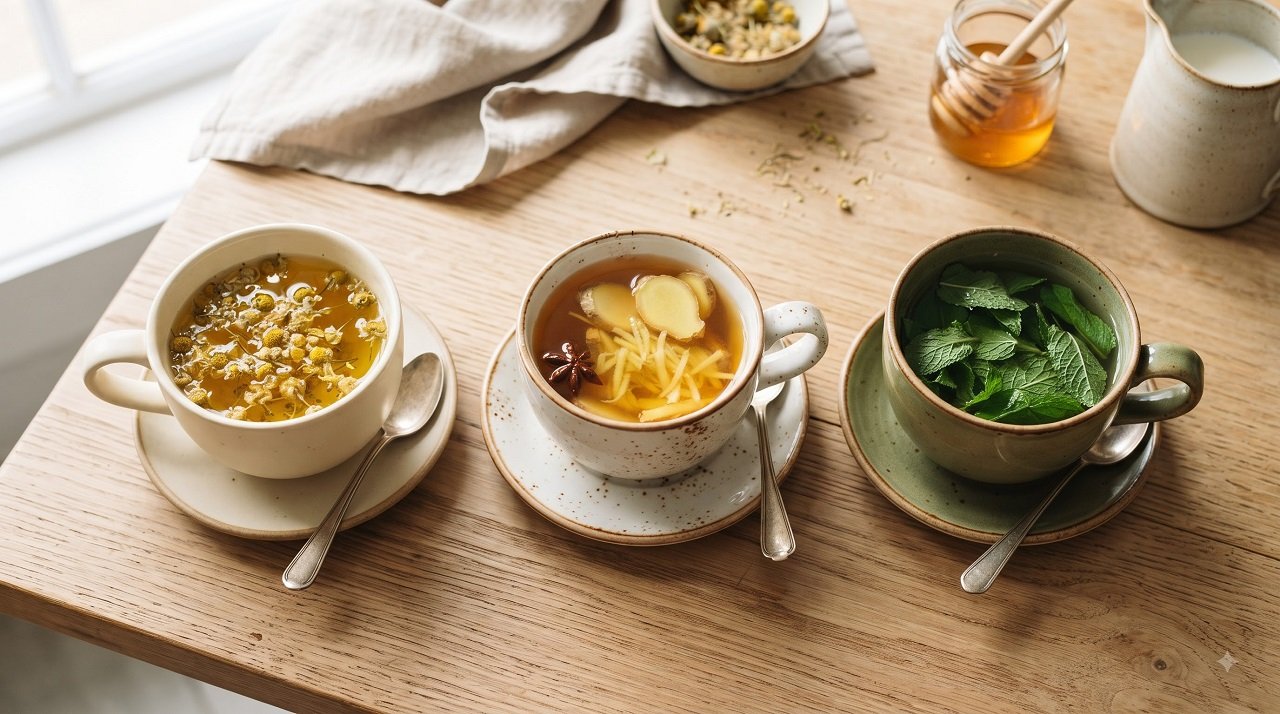
Most “tea for upset stomach” lists treat ginger, peppermint, and chamomile as interchangeable. They’re not — and getting this wrong can actually make things worse. If your upset stomach involves acid reflux, peppermint (the most commonly recommended option) can worsen it.
Why Peppermint Isn’t Always the Safe Default
Peppermint relaxes the lower esophageal sphincter (LES) — the muscular valve that keeps stomach acid where it belongs. That relaxing effect is exactly why peppermint works well for intestinal cramping and IBS-type discomfort lower in your gut, but it’s the same mechanism that lets acid travel back up into your esophagus if you have reflux. Clinical guidance specifically lists peppermint as something to approach with caution in reflux disease, and the effect is even more relevant for silent reflux (LPR), where menthol can also loosen the valve at the top of your esophagus.
The practical takeaway: if your stomach upset comes with any burning, regurgitation, or a sour taste — signs of reflux — skip peppermint and reach for chamomile or ginger instead.
Matching the Right Tea to Your Symptom
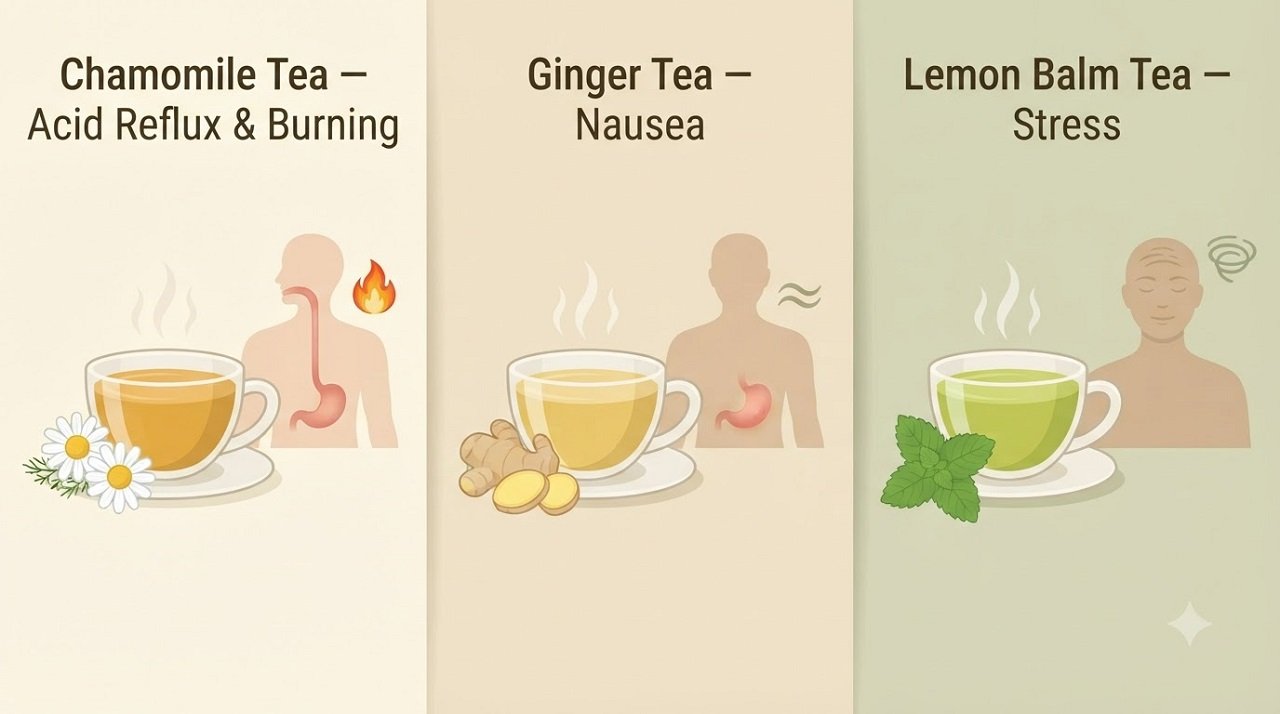
For Reflux-Related Nausea or Burning: Chamomile
Chamomile doesn’t affect the LES the way peppermint does, and it contains apigenin, a compound with genuine anti-inflammatory effects in the digestive tract. It also has real, well-documented calming effects on stress and anxiety — relevant since stress itself can worsen reflux. This is the safer general default if you’re unsure which type of upset stomach you’re dealing with.
For General Nausea (Motion Sickness, Mild Stomach Upset): Ginger
Ginger has the strongest research base of any single remedy here, particularly for nausea specifically — its active compounds (gingerols and shogarols) affect serotonin pathways involved in nausea, and separate research has found ginger measurably speeds up gastric emptying. A real dose limit worth knowing: more than 4 grams of ginger daily can paradoxically worsen heartburn and nausea in sensitive people, and drinking strong ginger tea on an empty stomach is a common way people trigger exactly the irritation they were trying to avoid. Keep it moderate — a lightly brewed cup with a small amount of fresh ginger, ideally with food rather than on an empty stomach.
A caveat specific to reflux: ginger is generally reasonable for nausea associated with reflux, but if your reflux is severe or triggered by nearly everything you eat, ginger’s mild LES-relaxing effect may add to the problem rather than solve it — this is a case where “natural” doesn’t automatically mean “safe for your specific situation.”
For Nervous Stomach or Stress-Related Nausea: Chamomile or Lemon Balm
Both work partly through calming the nervous system rather than acting directly on your gut — genuinely useful if your nausea is tied to anxiety or stress rather than something you ate.
What to Avoid Adding
Fizzy ginger drinks, sweetened bottled “ginger” beverages, and caffeinated blends behave differently from plain brewed ginger tea and can introduce their own irritation (caffeine, carbonation, added sugar) — if you’re using ginger specifically for its digestive benefit, a simple hot tea from fresh ginger or a quality tea bag is more reliable than a flavored commercial drink.
When It’s More Than Occasional Upset
- Nausea lasting more than a couple of days
- Vomiting blood or material that looks like coffee grounds
- Severe abdominal pain
- Chest pain (always rule out cardiac causes rather than assuming it’s reflux)
- Signs of dehydration from persistent vomiting
Frequently Asked Questions
What tea is best for an upset stomach?
It depends on the cause — chamomile is the safer general default, especially if reflux might be involved; ginger is better specifically for nausea without reflux symptoms; peppermint is best reserved for lower-gut discomfort like IBS-type cramping, not reflux.
Is peppermint tea bad for acid reflux?
Yes, for many people — peppermint can relax the valve that keeps stomach acid down, potentially worsening reflux symptoms, despite being a commonly recommended “soothing” tea.
How much ginger tea is too much?
Research points to roughly 4 grams of ginger daily as a threshold above which some people experience worsened heartburn and nausea rather than relief — moderate amounts, taken with food, are the safer approach.
Can I drink ginger and peppermint together?
They can be combined for general stomach settling, but if reflux is part of your symptoms, it’s worth trying them separately first to see whether peppermint specifically worsens your symptoms before making a blend a habit.
Sources Referenced in This Article
- Acibadem Hospitals Group — Ginger Tea and Stomach Acid: What the Evidence Shows
- Wipeout Reflux — Is Peppermint Tea Good for Acid Reflux? Why It Makes It Worse
- Wipeout Reflux — Is Ginger Good for Acid Reflux? Benefits, Risks & Evidence
- Healthline — Herbs and Supplements for GERD
- Teavity — Herbal Tea for Nausea Relief: Ginger, Peppermint, and Chamomile

Disclaimer: This article provides general educational information and is not a substitute for medical advice. Severe or one-sided abdominal pain, especially with fever or vomiting, needs prompt medical evaluation to rule out conditions like appendicitis, which can initially feel similar to trapped gas.
Most gas-relief guides give you a list of poses without explaining why they work — or worse, without telling you which direction actually matters. Here’s the anatomical detail that makes these techniques more effective: your colon has a specific shape and path through your abdomen, and working with that path, not against it, is what actually moves trapped gas along faster.
Why Direction Actually Matters

Your colon runs up the right side of your abdomen (ascending colon), across the top (transverse colon), and down the left side (descending colon) before reaching the rectum. This is why yoga instructors specifically recommend twisting to your right side first — it compresses the ascending colon in the direction gas is naturally moving, rather than against it.
For the same anatomical reason, lying on your left side — knees drawn toward your chest — is a specifically effective position for releasing trapped gas through belching, since it uses your stomach and colon’s natural position to help a gas pocket rise and move out, rather than being a generic “any side works” tip.
Techniques That Actually Target Trapped Gas
Wind-Relieving Pose (Pavanamuktasana): Lie on your back, bring both knees to your chest, and gently hug them in. This creates direct abdominal compression over the area where gas commonly gets trapped. Hold for 20-30 seconds, release, and repeat as needed. If two knees feels too intense, try one knee at a time.
Right-first seated twist: Sit with legs extended, bend your right knee and cross it over your left leg, and twist your torso to the right first (following the ascending colon), holding for 3-5 breaths before switching sides. This directional sequencing is the detail most instructions skip.
Left-side-lying position: Lie on your left side with knees drawn toward your chest. This is a specific, anatomically-grounded position, not interchangeable with lying on your right.
Child’s Pose: Kneel and lower your glutes to your heels, forehead to the floor, knees wide for greater abdominal compression. This encourages your body’s “rest and digest” response, which supports gas movement alongside the direct compression.
Cat-Cow flow: Alternating between arching and rounding your back gently massages your digestive organs and can help move gas along, particularly useful if a single static pose isn’t providing relief.
Movement and Breathing
Deep diaphragmatic breathing — expanding your belly on the inhale, drawing your navel toward your spine on the exhale — engages your abdomen directly and supports your parasympathetic (“rest and digest”) nervous system, which helps digestion move along rather than staying tense and slow.
A short walk can also help when a pose alone isn’t providing relief — gentle movement stimulates peristalsis (the wave-like muscle contractions that move gas and stool through your intestines).
What’s Normal (And What Isn’t)
Passing gas 13-21 times a day is within the normal range — trapped gas becomes uncomfortable specifically when it gets stuck rather than passing normally, not because gas itself is a problem.
When It’s Not Just Gas
Trapped gas pain can occasionally feel similar to something more serious. Seek prompt medical care if you have:
- Severe pain, especially concentrated in the lower right abdomen (a potential sign of appendicitis)
- Fever alongside abdominal pain
- Persistent vomiting
- Pain that doesn’t improve with movement or position changes after a reasonable amount of time
- Blood in your stool
Frequently Asked Questions
Which side should I lie on for gas pain?
Your left side, with knees drawn toward your chest — this position is specifically effective (not just “any side”) based on where your stomach and colon sit anatomically.
What is the fastest way to release trapped gas?
Combining wind-relieving pose (knees to chest) with left-side-lying and gentle movement tends to work faster than a single static pose alone.
Why does twisting help with gas?
Twisting to your right side first follows the actual path of your ascending colon, compressing it in the direction gas is naturally moving rather than working against that path.
How many times a day is it normal to pass gas?
Between 13 and 21 times daily is considered within the normal range.
Sources Referenced in This Article
- Liforme — The 8 Best Yoga Poses to Relieve Gas & Bloating
- Gas-X — Yoga Positions for Relieving Gas Discomfort
- Apollo 247 — Best Yoga Positions to Relieve Gas and Bloating
- Healthline — How to Fart: Tips for Relieving Trapped Gas
- JustFit — Top 8 Yoga Positions to Relieve Gas and Reduce Discomfort
Gut Health
How to Improve Gut Health with Home Remedies: 10 Kitchen-Cabinet Staples That Actually Help
⚠️ Important Disclaimer: Always consult a qualified healthcare professional before making any changes to your diet, exercise, supplements, sleep habits, or wellness routines, especially if you are pregnant, nursing, on medication, or have any medical condition.
If you want the deeper explainer on how your gut microbiome actually works long-term, we’ve covered that here, and for a quick-hit list of daily habits, see our gut health hacks guide. This piece is different: it’s specifically about what’s already in your kitchen that can help with everyday digestive comfort — what actually has research behind it, and one absorption trick most articles about these ingredients leave out entirely.
Key Takeaways
- Probiotics and fermented foods introduce live bacteria; prebiotic fiber feeds the bacteria you already have — they work differently, not interchangeably
- Turmeric’s active compound, curcumin, is poorly absorbed alone — pairing it with black pepper increases absorption by up to 2,000%, based on real research most turmeric content doesn’t mention
- Bone broth is traditionally used for gut support, but its “gut-healing” reputation is more theoretical than clinically proven — worth knowing before treating it as a fix
- Ginger has some of the strongest evidence of any home remedy here, particularly for nausea
- These are supportive, everyday remedies — persistent or severe digestive issues need a doctor, not a home remedy
1. Probiotics
Probiotics are live bacteria that can support digestion and, in specific situations, help manage inflammation. They work best as part of a consistent routine rather than a one-time fix:
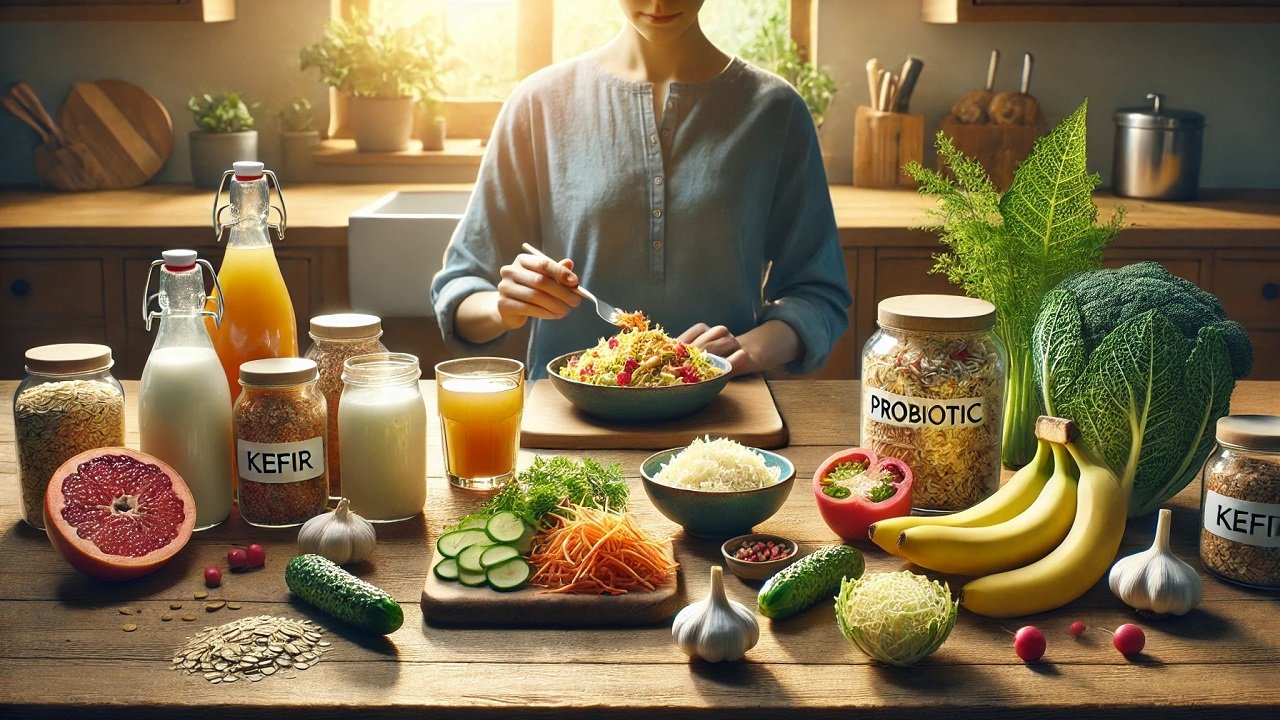
- Start with modest servings of fermented foods like yogurt and kefir
- Introduce them gradually rather than all at once, to see how your body responds
- Pair them with prebiotic fiber (see #3 below), since prebiotics feed the bacteria probiotics introduce
Integrating natural ways to boost gut health, like including probiotics, creates a holistic approach to maintaining a balanced digestive system. Remember, even small adjustments such as opting for foods to support gut microbiome can lead to a healthier and more comfortable gut.
Research on probiotics is genuinely strain-specific — some strains have solid evidence for particular uses (like reducing antibiotic-associated diarrhea), but “probiotics help digestion” as a blanket claim oversimplifies what’s actually strain-dependent research. If you’re taking a supplement for a specific reason, look for the named strain on the label rather than a vague “probiotic blend.” For more on this distinction, see DIY gut health tips from Harvard Health.
2. Fermented Foods
Fermented foods have been used for centuries to introduce beneficial bacteria into the diet through a natural fermentation process where bacteria break down sugars and create compounds that support digestion.
| Food | Main Ingredient | Notable Benefit |
|---|---|---|
| Sauerkraut | Cabbage | Simple, accessible source of live cultures |
| Kimchi | Mixed vegetables, often spicy | Adds variety alongside probiotic content |
| Kefir | Dairy or non-dairy | Drinkable, often broader strain diversity than yogurt |
Look for “live and active cultures” specifically on the label — pasteurization used in some store-bought products kills the bacteria that make fermented foods beneficial in the first place.
Incorporating a variety of these foods into your daily diet can help improve digestion and may contribute to a more balanced gut environment. Enjoy them in small portions and watch your gut start to feel happier over time.
3. Prebiotic Fiber
Prebiotic fiber is a nondigestible carbohydrate that feeds the beneficial bacteria already living in your gut — a different mechanism from probiotics, which introduce new bacteria. You’ll find prebiotic fiber in everyday foods:
| Food | Fiber (g/serving) |
|---|---|
| Banana | 3.1 |
| Asparagus | 2.8 |
| Oats | 4.0 |
Regularly adding prebiotic fiber could be a simple, everyday change that improves your overall digestive health.
Regularly including prebiotic-rich foods is one of the more consistently evidence-backed levers in gut health — see Tiny Health’s overview of prebiotics for more detail on specific food sources.
4. Bone Broth
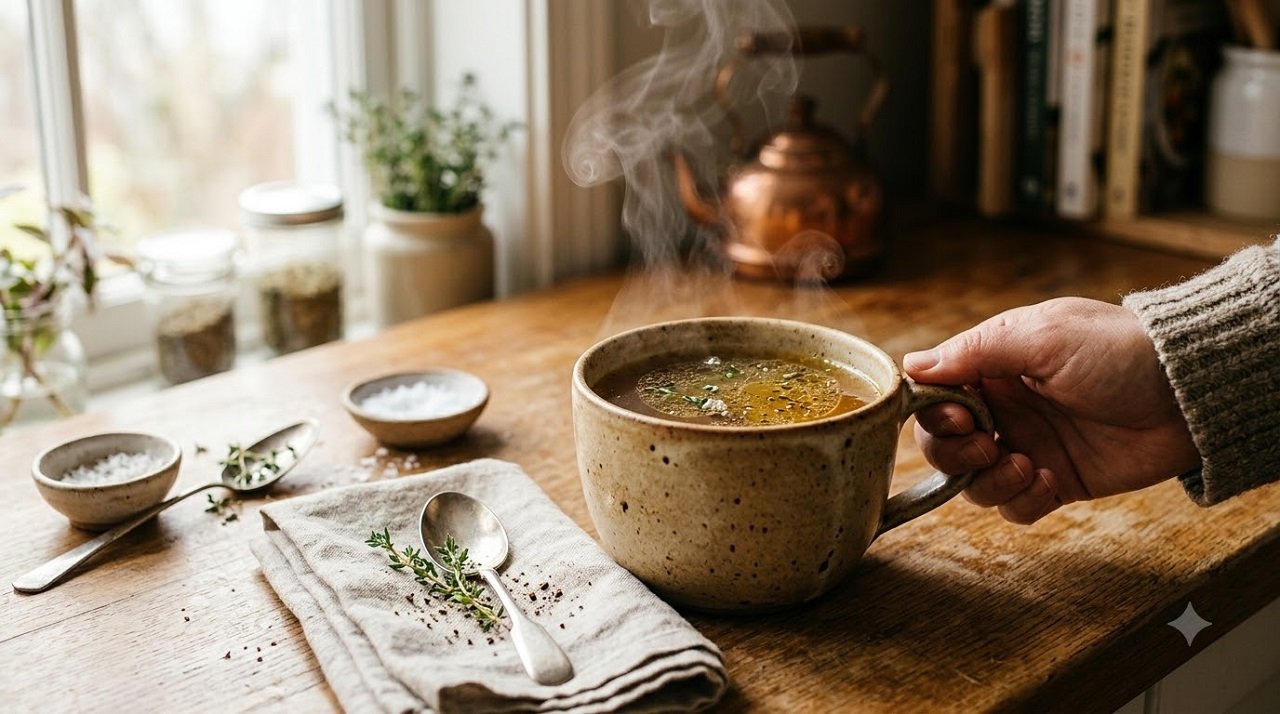
Bone broth is made by simmering bones for an extended period, extracting protein, some minerals, and gelatin.
| Nutrient | Amount per Serving |
|---|---|
| Protein | 12-18g |
| Collagen | Present, amount varies |
| Minerals | Varies by ingredients |
Worth being honest about: bone broth’s reputation for “healing” the gut lining rests mainly on tradition and theoretical mechanism (the idea that dietary collagen/gelatin supports your gut’s own lining) rather than strong clinical trial evidence. It’s a nutritious, generally safe food that some people find soothing — that’s a reasonable enough reason to include it — but treat “heals your gut” as an overstatement of what’s actually been proven. For more background, see Healthline’s overview of bone broth.
Enjoying a warm cup of bone broth on a chilly day can feel like giving your body a little hug from the inside out. Its simplicity and nourishing profile make it a go-to for anyone looking to naturally support gut health.
5. Healthy Fats
Dietary fat helps your body absorb certain vitamins and supports overall digestive function.
| Source | Benefit | Serving Size |
|---|---|---|
| Avocado | Monounsaturated fats | 1/2 fruit |
| Olive oil | Anti-inflammatory properties | 1 tbsp |
| Fatty fish | Omega-3 fatty acids | 3 oz |
Healthy fats are more than just a source of energy. They assist in keeping your gut lining intact, which might help your overall digestive process.
Moderation matters here, same as with any calorie-dense food group — a good mix of these fats supports digestion without needing large quantities.
6. Whole Grains
Whole grains provide fiber and minerals that support regular digestion.
| Grain | Fiber (g/serving) | Calories | Note |
|---|---|---|---|
| Oats | 4 | 150 | Good breakfast option |
| Brown rice | 3.5 | 215 | Simple swap for white rice |
| Quinoa | 5 | 222 | Higher in protein than most grains |
Simple swaps — brown rice instead of white, whole wheat bread instead of white bread — add up over a week without requiring a full diet overhaul.
7. Leafy Greens
Leafy greens provide fiber, vitamins, and antioxidants that support digestive health.
| Vegetable | Calories | Fiber (g) | Vitamin K (mcg) |
|---|---|---|---|
| Spinach | 7 | 0.7 | 145 |
| Kale | 33 | 1.3 | 547 |
| Swiss chard | 7 | 0.6 | 299 |
Including leafy greens in your daily diet can be a smart, simple way to support digestion naturally. They’re easy to add and come with lasting benefits for your gut.
If raw greens aren’t appealing, cooking them into soups or stews is an easy way to include them without changing your meals much.
8. Garlic
Garlic contains compounds studied for both antimicrobial and prebiotic-like effects on gut bacteria.
| Compound | Source | Potential Benefit |
|---|---|---|
| Allicin | Fresh garlic | Antimicrobial action |
| Diallyl disulfide | Garlic oil | May reduce inflammation |
| S-allyl-L-cysteine | Aged garlic extract | Prebiotic-like activity |
Including garlic regularly in your diet isn’t a cure-all, but it could be a helpful piece in supporting a balanced gut environment. Consider fresh or aged garlic options to see which works best for your meals.
Human clinical evidence specifically for garlic’s gut effects is still developing — it’s a reasonable, low-risk addition to a gut-supportive diet, not a clinically proven treatment on its own.
9. Ginger
Ginger is one of the better-evidenced remedies on this list, particularly for nausea — it’s used clinically for pregnancy-related and chemotherapy-related nausea, which reflects genuinely solid research, not just traditional use.
| Benefit | How It Helps |
|---|---|
| Digestion | Eases discomfort, promotes smoother digestion |
| Nausea relief | Calms an upset stomach — its best-evidenced use |
| Mild anti-inflammatory | May help with general digestive discomfort |
Fresh ginger is a handy ingredient to add to your meals or drinks with little extra effort. It’s a simple way to tap into its natural benefits without much fuss.
Simple ways to use it: mild ginger tea (simmered slices in water), grated fresh into soups or stir-fries, or blended into a smoothie. Use it thoughtfully if you have a sensitive stomach or take medications, since it can interact with some blood thinners.
10. Turmeric
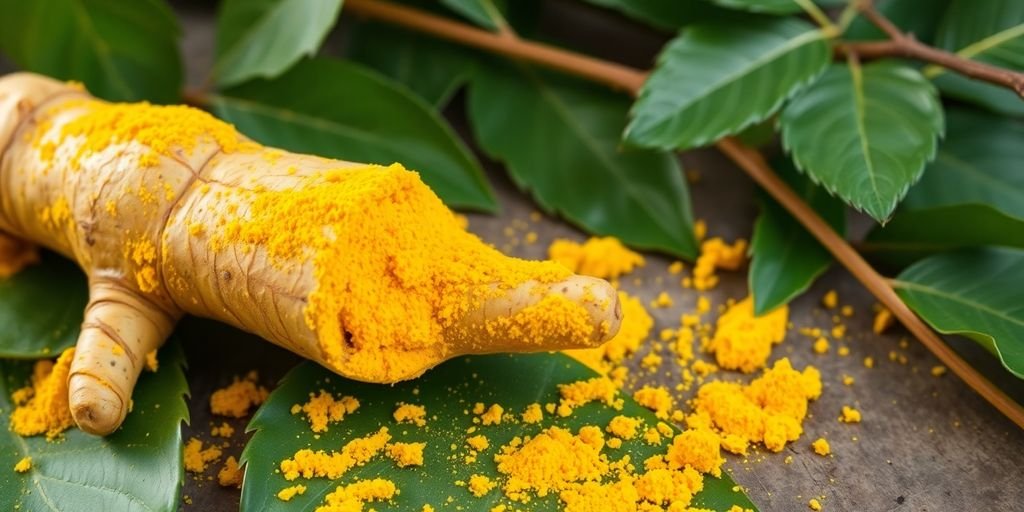
Turmeric contains curcumin, a compound studied for anti-inflammatory and antioxidant effects that may support digestive comfort.
| Property | Benefit |
|---|---|
| Anti-inflammatory | May reduce gut irritation |
| Antioxidant | Counters oxidative stress |
| Digestive aid | May support overall digestion |
The detail most turmeric content leaves out: curcumin on its own is poorly absorbed by your body — your liver processes it quickly before much reaches your bloodstream. A landmark human study (Shoba et al., 1998) found that combining curcumin with piperine (the active compound in black pepper) increased curcumin’s bioavailability by up to 2,000%. In practice, this means: add a pinch of black pepper whenever you use turmeric — in golden milk, curries, or a turmeric supplement — if you actually want your body to use more of it. Consuming turmeric with a source of fat (like coconut oil or nut butter) also improves absorption, since curcumin is fat-soluble. For more detail, see Healthline’s overview of turmeric and black pepper.
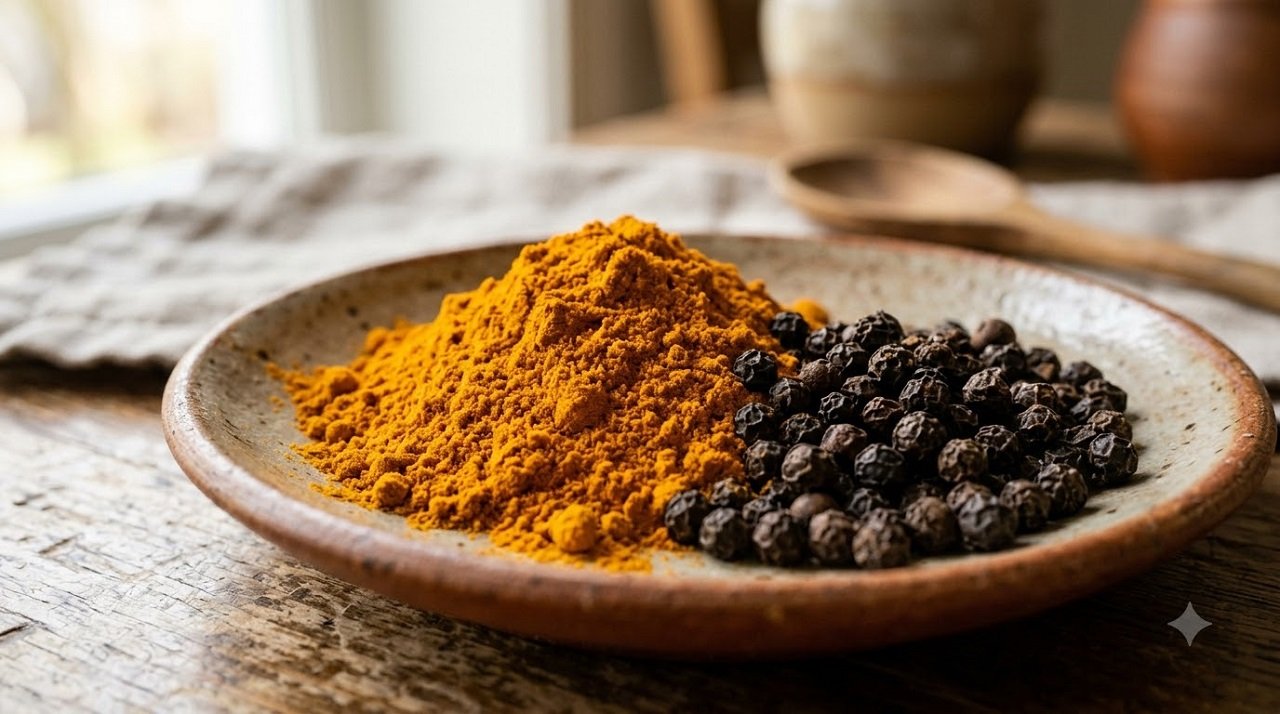
Adding turmeric to daily meals or drinks might be a small change that leads to a more balanced gut and smoother digestion. Enjoy experimenting with it until you find a routine that works for you.
When These Remedies Aren’t Enough
These are supportive, everyday tools for general digestive comfort — not a treatment for a diagnosed condition. See a doctor if you experience persistent changes in bowel habits, unexplained weight loss, blood in your stool, or digestive discomfort that doesn’t improve with the basics above.
Final Thoughts on Nurturing Your Gut Health
Improving your gut health with home remedies doesn’t require an overhaul — probiotics, fiber-rich foods, and a few well-chosen kitchen staples like ginger and turmeric (paired correctly with black pepper) can genuinely support digestive comfort. Small, consistent changes add up more reliably than any single “miracle” remedy.
FAQ
What is gut health?
How well your digestive system functions, including the balance of bacteria in your gut that supports digestion, immunity, and other processes.
Why are probiotics important?
They introduce beneficial bacteria that support digestion and immune function — though evidence is strain-specific, not a blanket benefit from any probiotic.
How do fermented foods help gut health?
Foods like yogurt and sauerkraut contain live bacterial cultures that can add beneficial bacteria to your gut, provided they still contain “live and active cultures” at the point you eat them.
What are prebiotic fibers?
Nondigestible fiber types that feed the beneficial bacteria already in your gut. Bananas, asparagus, and oats are common sources.
Does turmeric actually help digestion?
There’s reasonable evidence for curcumin’s anti-inflammatory properties, but poor absorption limits its effect unless paired with black pepper (piperine) or a fat source — a detail worth knowing before assuming turmeric alone is doing much.
Is bone broth good for gut healing?
It’s nutritious and traditionally used for digestive comfort, but the specific “heals your gut lining” claim is more theoretical than clinically proven — reasonable to include, not a guaranteed fix.
Can stress affect gut health?
Yes — chronic stress is documented to disrupt gut bacterial balance and intestinal permeability through pathways involving cortisol and the vagus nerve.
How can I improve my gut health naturally?
A combination of fiber, fermented foods, adequate hydration, stress management, and consistent sleep — see our full gut biome guide for the complete picture.
Sources Referenced in This Article
- Harvard Health — How to Get More Probiotics
- Tiny Health — Prebiotics for Gut Health
- Healthline — Bone Broth Benefits
- Healthline — Turmeric and Black Pepper: Benefits, Ideal Ratios and Risks
- Shoba, G., et al. “Influence of piperine on the pharmacokinetics of curcumin in animals and human volunteers.” Planta Medica, 1998.
- UMass Medical School — Using Black Pepper to Enhance the Anti-Inflammatory Effects of Turmeric

Cancer, Chemo, Supplements, and the Immune System

Food Sensitivity Summit

Passionflower Tea for Sleep: Benefits & How It Works

PEMF Webinar

HBOT ( Hyperbaric Oxygen Therapy ) Webinar

The 4-7-8 Breathing Technique: Step-by-Step Guide and What the Research Actually Shows
-
 Events3 weeks ago
PEMF Webinar
-
 Events2 weeks ago
HBOT ( Hyperbaric Oxygen Therapy ) Webinar
-
 Natural Sleep Remedies5 months ago
The 4-7-8 Breathing Technique: Step-by-Step Guide and What the Research Actually Shows
-

 Events4 months ago
Why You Can’t Trust Big Pharma
-

 Events4 months ago
The Anti-Cancer Body with Dr. Michael Karlfeldt
-

 Events4 months ago
The Cancer Conversation Your Oncologist Cannot Have in 15 Minutes
-

 Events5 months ago
Beyond the Brain
-

 Home Remedies4 months ago
Natural Home Remedies for Restless Legs at Night