Connect with us

Gut Health

Unlock Incredible Gut Health Hacks and Transform Your Well-being Today!

Published

on

⚠️ Important Disclaimer
The content on this website – including articles, event announcements, personal experiences, and recommendations – is for informational and educational purposes only and is not medical advice. Always consult a qualified healthcare professional before making any changes to your diet, exercise, supplements, sleep habits, or wellness routines, especially if you are pregnant, nursing, on medication, or have any medical condition.
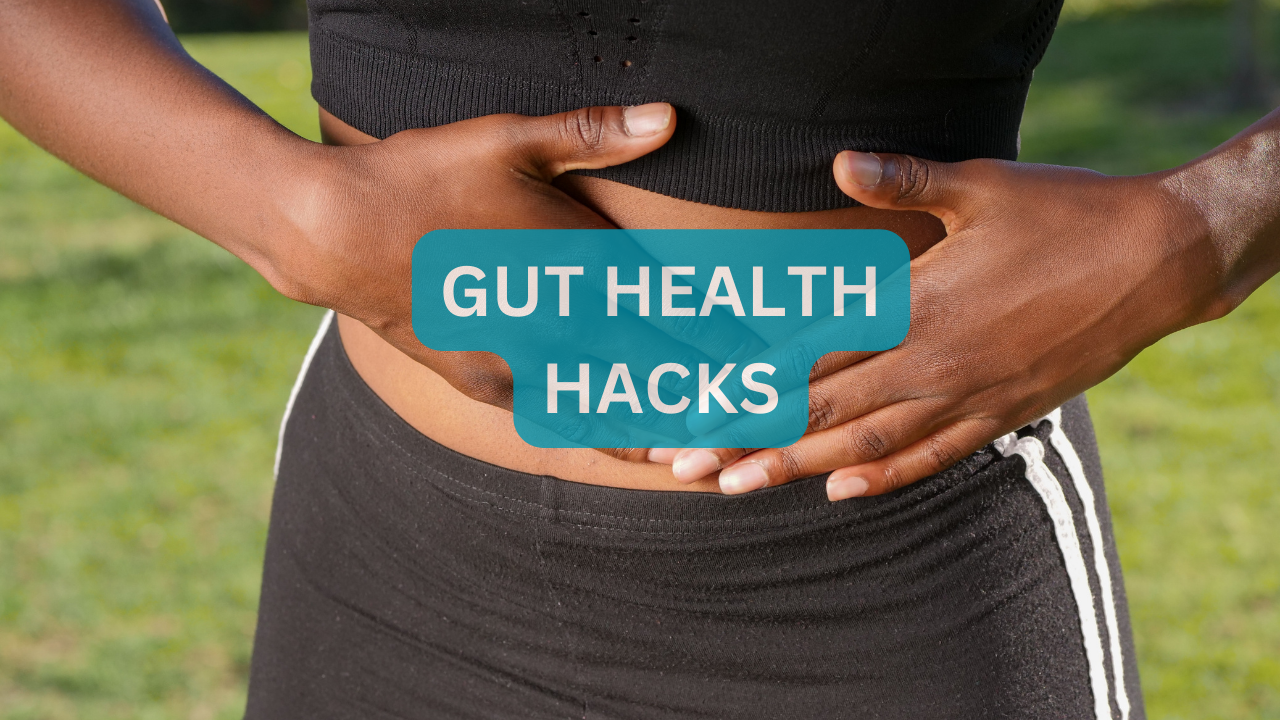
Unlock Incredible Gut Health Hacks and Transform Your Well-being Today!

Table of Contents


Introduction

In our pursuit of optimal health and well-being, we often overlook a vital aspect of our overall wellness – our gut health. While the concept of gut health may sound mysterious, it is an essential determinant of our physical and mental well-being. This article will delve into the significance of maintaining a healthy gut, explore its profound impact on our overall wellness, and enlighten you about the intricate connection between the gut and the brain.

 What is gut health and why does it matter?

 Gut health refers to the structural and functional balance of our gastrointestinal tract, encompassing the stomach, small intestine, and large intestine. It involves the intricate interplay of billions of microorganisms, collectively known as the gut microbiota, which reside within this complex ecosystem. These microorganisms include bacteria, viruses, fungi, and other crucial organisms that play a pivotal role in maintaining our physiological equilibrium.

 Why does it matter, you may ask? Well, the state of our gut health can influence not only our digestive system but also our immune system, metabolism, mental health, and even our skin health. A healthy gut acts as the foundation for overall well-being, bolstering our body’s ability to absorb essential nutrients, fight off diseases, regulate metabolism, and maintain a stable mood.

 The profound impact of a healthy gut on overall wellness

 The wonders of maintaining a healthy gut extend far beyond mere digestion. Let’s explore some of the remarkable ways in which a healthy gut can impact various aspects of our well-being:

 Enhanced immune function: 

A healthy gut provides a fortified defense against harmful pathogens by promoting the production of immune cells and antibodies. It strengthens our immune system, reducing the risk of infections and diseases.

 Stimulating beneficial bacteria: 

Certain strains of gut bacteria can stimulate the production of natural antibodies, boosting our immune response and safeguarding our overall health.

 Immunomodulatory effects: 

The gut microbiota plays a crucial role in modulating immune responses, preventing excessive inflammatory reactions and allergies.

 Optimal digestion and nutrient absorption: 

A well-functioning gut effectively breaks down food, extracting vital nutrients that our body requires to thrive. This ensures our body can adequately absorb these nutrients,promoting optimal health.

 Maintaining a diverse gut microbiota: 

A diverse range of gut microorganisms aids in the digestion and absorption of different nutrients,fostering a healthy digestive process.

 Facilitating nutrient synthesis: 

Certain gut bacteria play a pivotal role in synthesizing vitamins, such as vitamin K and vitamin B12, which are essential for our well-being.

 Mental well-being and cognitive function: 

The gut-brain axis, a bidirectional communication network between the gut and the brain,
highlights the profound impact of gut health on mental well-being and cognitive function.

 Neurotransmitter production: 

Gut bacteria actively participate in the production of neurotransmitters, such as serotonin and dopamine, which regulate mood and emotions.

 Reduced risk of mental health disorders: 

A healthy gut fosters a balanced mental state, reducing the risk of anxiety, depression, and other mental health disorders.

 Improved cognitive abilities: 

By maintaining a healthy gut, we enhance cognitive abilities, including memory, focus, and overall brain function.

 Introduction to the gut-brain connection

 The gut-brain connection, often referred to as the “second brain,” is a fascinating area of research that unravels the intricate relationship between the gut and the brain. This connection relies on an intricate network of nerves, chemical messengers, and the gut microbiota,working together to regulate various bodily functions and influence our
emotional well-being.

Understanding the gut-brain connection is instrumental in unlocking the power of gut health and transforming our overall well-being. It emphasizes the need to nurture and support our gut microbiota for optimal physical and mental health.

 Unleashing the power of gut health opens new doors to revolutionary hacks that have the potential to transform our lives positively.
By recognizing the significance of gut health, we can embark on a journey towards improved well-being, armed with the knowledge and understanding to make
informed choices about our gut health.

 So, join us as we delve deeper into this captivating world of gut health, uncovering innovative strategies and taking steps towards a healthier, more vibrant you!

Understanding the Gut Microbiome

The intricate ecosystem within our gut

 The gut is home to trillions of microbes, collectively known as the gut microbiome. These microbes include bacteria, viruses, and fungi. The gut microbiome is a complex ecosystem that interacts with our body and influences various aspects of our health.

Role of gut bacteria in digestion and nutrient absorption

 Gut bacteria play a vital role in digestion and nutrient absorption. They help break down complex carbohydrates, produce essential vitamins, and convert dietary fiber into short-chain fatty acids, which promote a healthy gut environment.

Unraveling the factors influencing gut microbiome
composition

 Several factors influence the composition of our gut microbiome. These include genetics, diet, environment, and lifestyle choices.Understanding these factors can help us optimize our gut health.

The Hidden Dangers of Poor Gut Health

The detrimental effects of an imbalanced gut microbiome

 An imbalanced gut microbiome, known as dysbiosis, can have a detrimental impact on our overall health. It can lead to digestive disorders, such as irritable bowel syndrome (IBS), inflammatory bowel disease (IBD), and even increase the risk of allergies and autoimmune diseases.

Link between poor gut health and chronic diseases

 Research has also linked poor gut health to chronic diseases such as obesity, diabetes, heart disease, and certain types of cancer.
Maintaining a healthy gut can help prevent the onset of these diseases.

Debilitating impact on mental health and cognitive function

 The gut-brain connection is a bidirectional pathway where the gut and the brain communicate. Poor gut health has been associated with mental health conditions like depression, anxiety, and even neurodegenerative disorders like Alzheimer’s disease. Taking care of our gut can positively impact our mental well-being.

Transforming Your Gut Health: Essential Hacks

A. Nourishing Your Gut Implementing a fiber-rich diet for optimal digestive health

 A diet rich in fiber is essential for maintaining a healthy gut. Fiber acts as a prebiotic, providing food for the beneficial bacteria in our gut. Including fruits, vegetables, whole grains, and legumes in our diet can ensure a diverse and thriving gut microbiome.

The significance of prebiotic foods to promote good gut bacteria growth

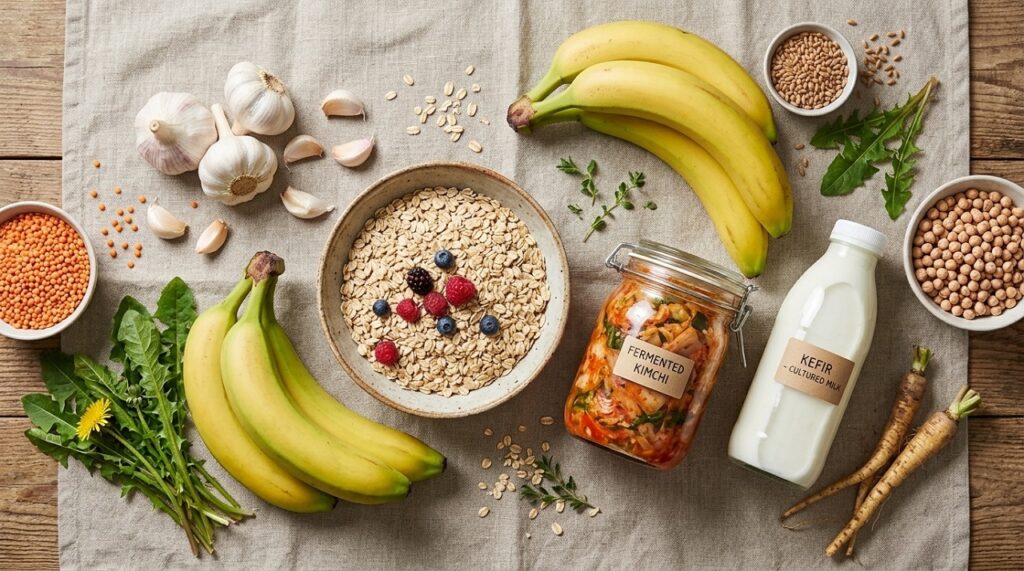
 Prebiotic foods, such as garlic, onions, asparagus, and bananas, are rich sources of fiber that selectively nourish the beneficial bacteria in our gut. Including these foods in our diet can promote the growth of good gut bacteria.

Probiotics: Harnessing the power of beneficial bacteria

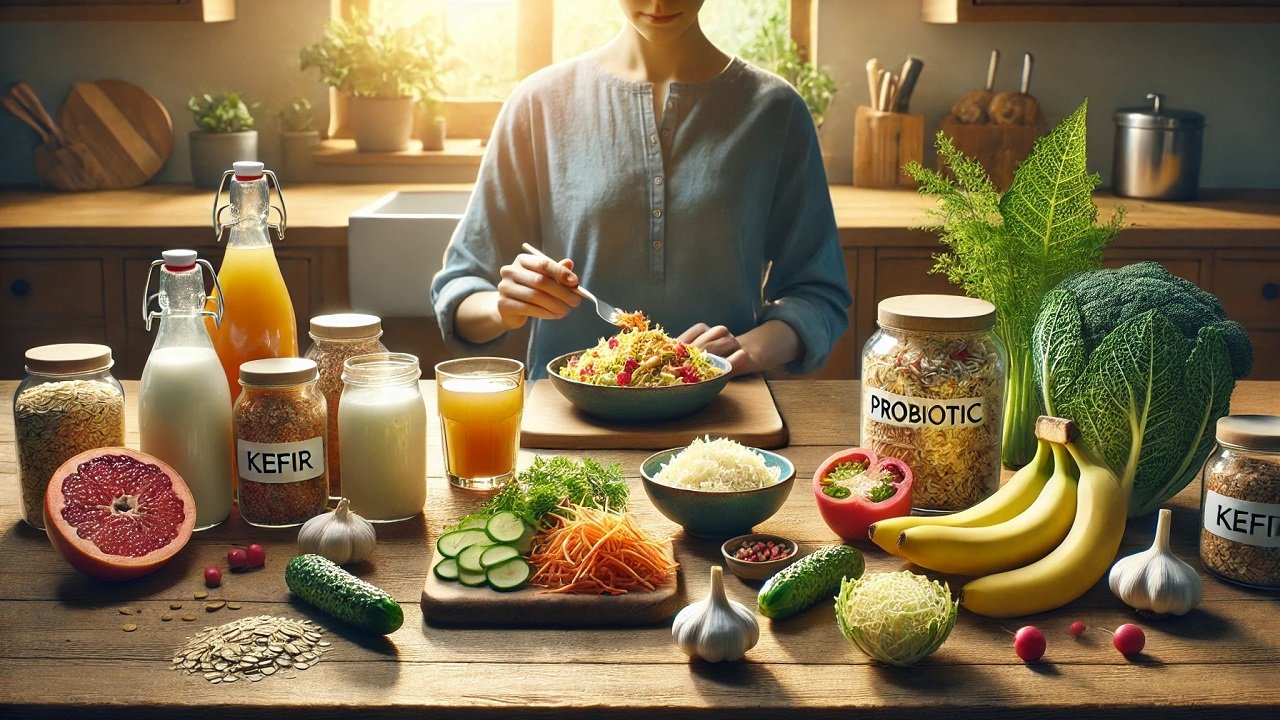
 Probiotics are live bacteria and yeasts that are beneficial to our gut health. Consuming probiotic-rich foods like yogurt, sauerkraut, and kefir, or taking probiotic supplements can help restore and maintain a healthy gut microbiome.

B. Balancing Gut Flora

 Understanding the role of dysbiosis and its impact on gut health

 Dysbiosis refers to an imbalance in the gut microbiome, where harmful bacteria outnumber the beneficial ones. Balancing gut flora is essential for optimal gut health and can be achieved through various strategies.

Restoring balance: Strategies to combat dysbiosis

 Certain strategies can help restore a balance in the gut microbiome. These include reducing the consumption of processed and sugary foods, avoiding unnecessary antibiotic use, limiting stress, and incorporating fermented foods like kimchi and miso into our diet.

Intermittent fasting: Resetting your gut microbiome

 Intermittent fasting has gained popularity for its potential benefits to gut health. By implementing a fasting window and allowing our gut to rest, we can support the growth of beneficial gut bacteria and improve overall gut function.

C. Mind-Gut Connection

 Exploring the influence of stress and anxiety on gut health

  Stress and anxiety have a significant impact on our gut health. Chronic stress can disrupt the balance of our gut microbiome and impair digestion. Managing stress through techniques like mindfulness and relaxation exercises can improve gut function.

Techniques for reducing stress to improve gut function

 Incorporating stress-reducing techniques into our daily routine can greatly benefit our gut health. These techniques may include deep breathing exercises, meditation, yoga, and engaging in activities that bring joy and relaxation.

The role of mindfulness practices in optimizing gut-brain communication

 Mindfulness practices, such as mindful eating, can help improve gut-brain communication. By being fully present and attentive during meals, we can enhance digestion and promote a healthy gut environment.

D. Gut Health and Nutrition

 Unveiling the effects of processed foods on gut health

 Processed foods, high in refined sugars, unhealthy fats, and artificial additives, can negatively impact our gut health. These foods can disrupt the balance of our gut microbiome and contribute to the development of gut-related disorders.

Gut-friendly alternatives: A guide to gut-healing superfoods

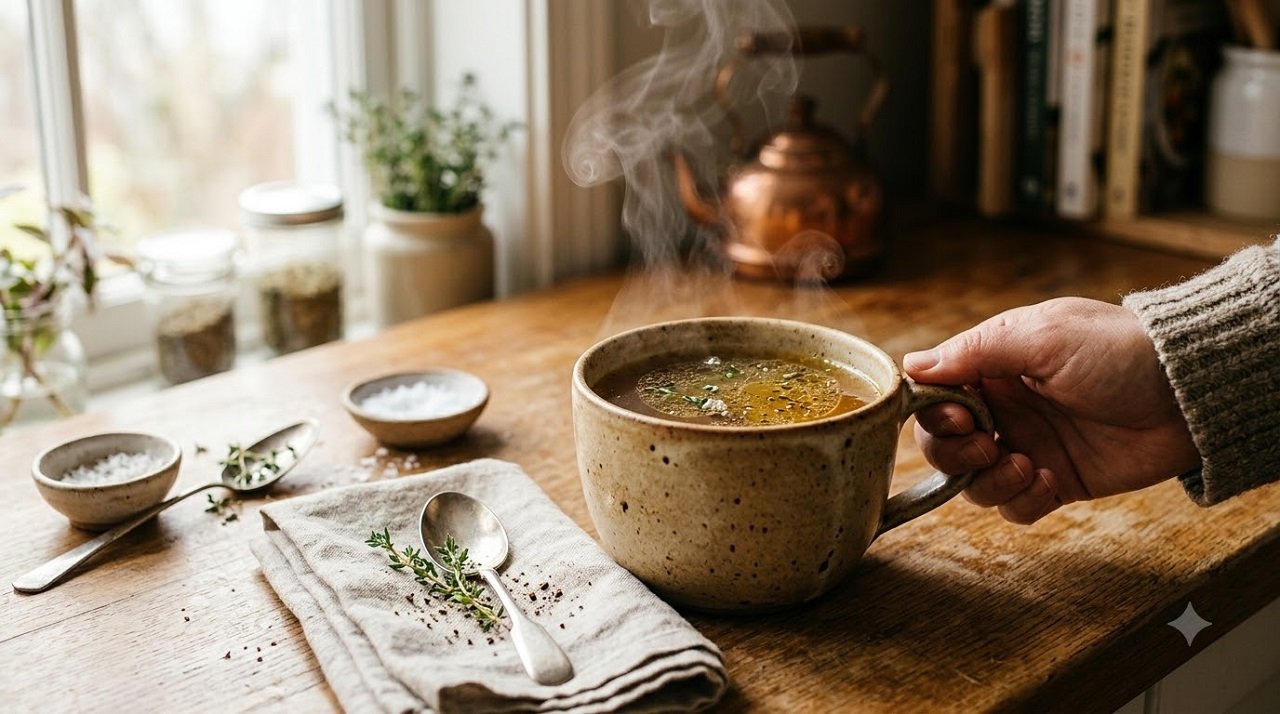
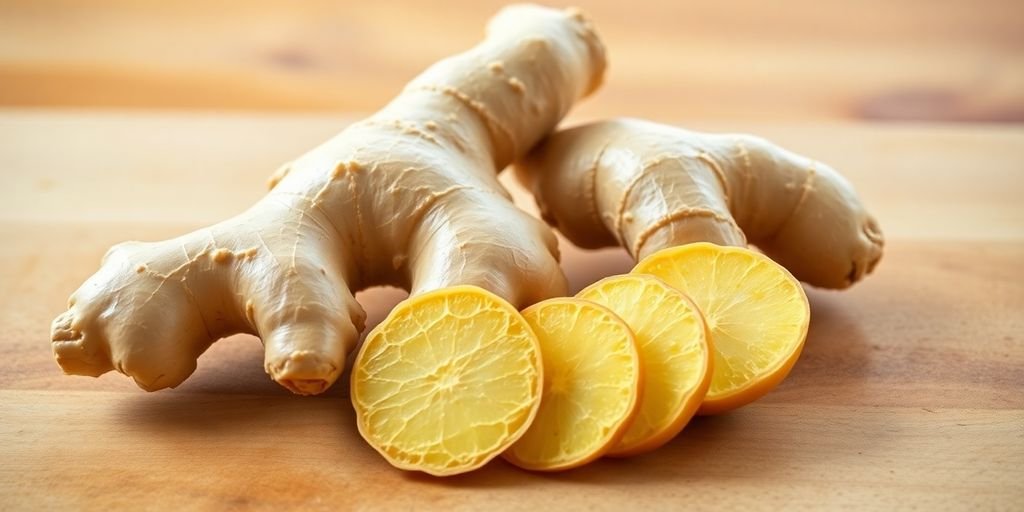
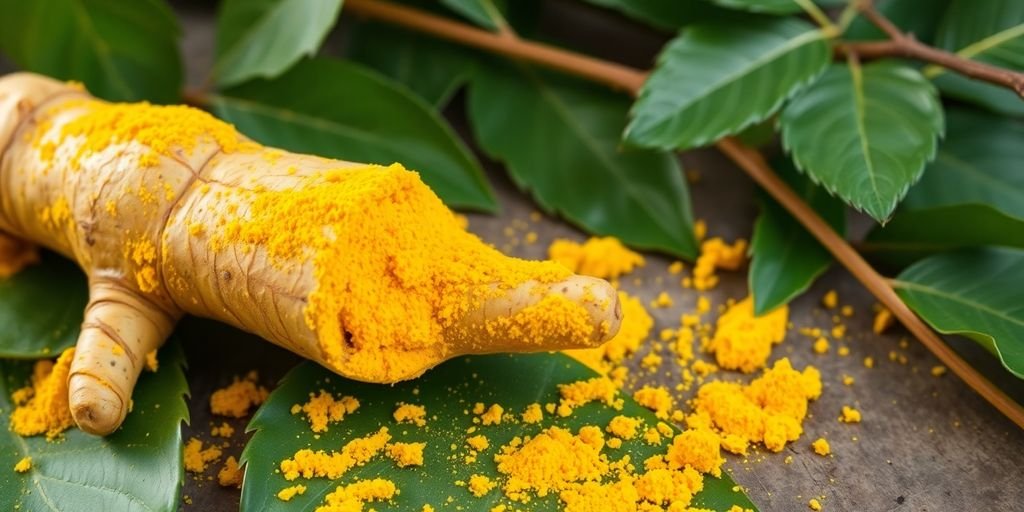
 Incorporating gut-healing superfoods into our diet can support a healthy gut environment. Examples of gut-friendly foods include fermented vegetables, bone broth, ginger, turmeric, and green leafy vegetables.

Essential nutrients for promoting a healthy gut environment

 Certain nutrients are crucial for maintaining a healthy gut environment. These include fiber, omega-3 fatty acids, antioxidants, and polyphenols. Consuming a diverse range of nutrient-rich foods can support optimal gut health.

E. Lifestyle Habits for a Happy Gut

 The impact of sleep quality on gut health

 Quality sleep plays a vital role in maintaining a healthy gut. Poor sleep can disrupt the gut microbiome, increase inflammation, and impair digestion. Establishing healthy sleep habits can positively impact our gut health.

 Exercise: Bolstering gut flora diversity and digestion

 Regular exercise has been shown to enhance gut flora diversity and improve digestion. Engaging in physical activity, such as walking, running, or yoga, can stimulate the growth of beneficial gut bacteria and promote overall gut health.

Avoiding harmful habits detrimental to gut health

 Certain habits can harm our gut health, such as smoking, excessive alcohol consumption, and chronic use of nonsteroidal anti-inflammatory drugs (NSAIDs). Minimizing or avoiding these habits canprotect and promote a healthy gut.

F. Restorative Therapies for Gut Health

 The power of probiotic supplements in promoting gut balance

 Probiotic supplements can be a valuable aid in restoring and maintaining gut balance. These supplements provide specific strains of beneficial bacteria that can help improve gut health. Consultation with a healthcare professional is recommended to choose the right probiotic for individual needs.

Exploring the efficacy of fecal microbiota transplantation
(FMT)

 Fecal microbiota transplantation (FMT) is a promising therapy that involves transferring fecal matter from a healthy donor to a recipient with a compromised gut microbiome. FMT aims to restore a healthy gut environment and has shown success in treating certain gut-related conditions. It should be performed under medical supervision.

Emerging research on gut health therapies: Prebiotics, postbiotics, and beyond

 Research on gut health therapies is ongoing, with promising developments in prebiotics, postbiotics, and other innovative treatments.
Prebiotics are non-digestible fibers that promote the growth of beneficial gut bacteria. Postbiotics are by-products produced by probiotics that have potential health benefits. Keeping an eye on emerging research can provide insights into the future of gut health therapies.

Summary

Recap of the key takeaways on improving gut health

 Taking care of our gut health is essential for overall well-being. A healthy gut microbiome has a profound impact on digestion, nutrient absorption, mental health, and overall disease prevention.

By incorporating strategies such as a fiber-rich diet, probiotics, stress reduction, and mindful practices, we can unleash the power of our gut and experience a transformative improvement in our well-being.

 Emphasizing the interconnectedness of gut health and overall well-being

 It’s important to recognize that gut health is not an isolated aspect of our well-being. It is intricately linked to our physical and mental health. By prioritizing and nurturing our gut health, we are taking a holistic approach towards improving our overall well-being.

Frequently Asked Questions (FAQs)

What are the warning signs of poor gut health?

 The warning signs of poor gut health are following:

  • Bloating, gas, and indigestion
  •  Constipation or diarrhea
  •  Abdominal pain or discomfort
  •  Food intolerances or allergies
  •  Fatigue and low energy levels
  •  Skin problems like acne or eczema

Can gut health influence weight management?

 Yes, gut health plays a role in weight management. An imbalanced gut microbiome can affect metabolism, appetite regulation, and fat storage. Optimizing gut health through healthy eating habits and lifestyle choices can support weight management goals.

How long does it take to restore a healthy gut microbiome?

 The time it takes to restore a healthy gut microbiome varies from person to person. It depends on various factors such as the severity of dysbiosis, nutrition, lifestyle choices, and the interventions implemented. It may take weeks to months of consistent effort to achieve significant improvements in gut health.

What foods should I avoid to maintain good gut health?

 To maintain good gut health, it’s advisable to limit or avoid processed foods, sugary drinks, artificial sweeteners, fried foods, and excessive alcohol consumption. These can negatively impact the gut microbiome and overall digestive health.

Are there any specific gut health hacks for individuals with dietary restrictions?

 Yes, individuals with dietary restrictions can still prioritize their gut health. They can focus on incorporating gut-friendly foods that are suitable for their dietary needs, such as plant-based sources of fiber, alternative sources of probiotics (like coconut milk yogurt for dairy-free options), and seeking guidance from healthcare professionals or registered
dietitians.

Remember, taking small steps towards improving gut health can make a big difference in our overall well-being. Let’s unleash the power of our gut and unlock a healthier, happier life!

Continue Reading
Click to comment

Leave a Reply

Your email address will not be published. Required fields are marked *

Gut Health

How to Get Rid of Old Feces in the Colon Naturally: Effective Detox Remedies Guide

Published

on


How to Get Rid of Old Feces in the Colon Naturally: Effective Detox Remedies Guide

How to Get Rid of Old Feces in the Colon Naturally? Safe and Gentle Cleansing Methods

Do you have trouble with constipation or digestive problems? Wondering how to naturally remove old feces from your colon? A colon cleanse can boost your health and well-being. Natural detox methods can help with constipation and keep your colon healthy.

With the right steps, you can naturally remove old feces from your colon. This helps keep your digestive system healthy.

Key Takeaways

  • Drinking enough water is key for healthy digestion and helps with colon cleansing.
  • Eating a diet rich in fiber, like fruits, veggies, and whole grains, helps with constipation and keeps your colon healthy.
  • Probiotics in foods like yogurt and kimchi help keep your gut bacteria balanced and promote regular bowel movements.
  • Natural detox methods can effectively improve your digestive health and remove old feces from your colon naturally.
  • Having three or more bowel movements a week helps keep your digestive system healthy and prevents constipation.
  • Adding ground flaxseed to your diet can help with digestion and stool elimination, supporting a natural colon cleanse.
  • A natural colon detox is a great way to boost your overall health and well-being. You can do it at home with water, diet, and some over-the-counter products.

Understanding Colon Health and Waste Accumulation

Colon health is key for a good digestive system. A healthy colon helps with improving bowel movements and stops constipation. Eating foods high in fiber and drinking enough water can help keep your colon healthy.

About 16% of adults in the U.S. have constipation. This can lead to fecal impaction. Symptoms include stomach pain, bloating, and trouble passing stools. Natural remedies for constipation can help with these issues.

To improve bowel movements and keep your colon healthy, eat well and drink water. A diet full of fiber and nutrients helps digestion and stops constipation. Also, natural remedies for constipation like probiotics and herbal supplements can help your colon stay healthy.

Preparing Your Body for Natural Colon Cleansing

To start natural bowel cleansing, prepare your body first. Change your diet and add healthy habits to your day. Drinking lots of water helps digestion and bowel movements.

Eating foods high in fiber and water is key. Leafy greens, fruits, and veggies are great. Avoid processed and sugary foods for better digestion.

Some top foods for colon cleansing are:

  • Fiber-rich foods like broccoli, carrots, and apples
  • Fermented foods like yogurt, kefir, and sauerkraut
  • Leafy greens like spinach, kale, and collard greens

Drinking at least eight glasses of water a day is also important. It helps prevent constipation and keeps bowel movements regular. A healthy diet and plenty of water support your body’s natural cleansing.

A natural colon cleanse does more than remove toxins. It boosts overall health and well-being. Healthy choices and natural cleansing help your body stay healthy and happy.

How to Get Rid of Old Feces in the Colon Naturally

To keep your digestive system healthy, you need to naturally colon detox. This means getting rid of old feces in your colon. You can do this by eating the right foods, drinking lots of water, and taking natural supplements.

Eating foods high in fiber is key. Include fruits, veggies, and whole grains in your diet. They make your stool soft and help you go to the bathroom regularly. This is important for intestinal cleansing.

Drinking water is also very important. Aim for at least eight glasses a day. It helps your digestion and keeps your bowel movements healthy. Plus, probiotics and psyllium can help your gut bacteria grow and keep you regular.

Leafy greens, berries, and fermented foods like yogurt and kimchi are great for your colon. They’re full of fiber, vitamins, and minerals. Eating these foods and drinking water can help detoxify the colon and make your digestive system healthier.

Essential Dietary Changes for Optimal Colon Health

To keep your colon healthy, you need to change what you eat. Eating foods high in fiber can make stool softer and prevent constipation. The American Institute for Cancer Research says you should eat at least 30 grams of fiber every day.

Foods like fruits, vegetables, and whole grains are good for your colon. They are full of fiber and help your digestion. But, foods with a lot of sugar, salt, and bad fats can harm your gut bacteria and cause constipation.

Eating a balanced diet with lots of whole foods is key. Also, drinking lots of water helps digestion and makes stool softer. This makes it easier to go to the bathroom. By changing your diet and using natural remedies for constipation, you can keep your colon healthy and avoid digestive problems.

  • Eat at least 30 grams of fiber from food sources each day
  • Include a variety of fruits, vegetables, and whole grains in your diet
  • Stay hydrated by drinking plenty of water
  • Limit foods high in sugar, salt, and unhealthy fats

By following these tips and making the right food choices, you can keep your colon healthy. This helps avoid colon problems.

Physical Activities to Promote Colon Cleansing

Regular exercise helps move your bowels and improves digestion. This is key for a natural colon cleanse. Activities like walking, running, or yoga also lower stress. They help keep your gut bacteria healthy, aiding your body’s detox for colon health.

Adding physical activity to your day helps your colon cleanse naturally. You can try:

  • Walking or jogging for at least 30 minutes a day
  • Practicing yoga or other low-impact exercises
  • Engaging in strength training or high-intensity interval training (HIIT)

Combining exercise with a healthy diet and herbal remedies for colon cleanse boosts your digestive system. Always drink plenty of water. Regular exercise can also prevent constipation and support a natural colon cleanse.

Herbal Remedies and Natural Supplements

Exploring ways to get rid of old feces naturally? Think about herbal remedies and natural supplements. They can help with colon cleansing. Herbs like psyllium, flaxseed, and peppermint can make stool softer and help with bowel movements.

Probiotics are live bacteria and yeasts that are good for digestion. You can get them from supplements or fermented foods. They help the gut and reduce inflammation. But, always follow the right dosage and timing for best results.

Herbal Remedies and Natural Supplements
  • Psyllium: helps soften stool and promote healthy bowel movements
  • Flaxseed: rich in fiber and omega-3 fatty acids, supporting healthy digestion
  • Peppermint: known for its calming effects on the digestive system

Adding these herbal remedies and natural supplements to your routine can help. They support the colon’s natural cleansing and promote a healthy digestive system. This helps get rid of old feces naturally and keeps the colon healthy.

Safety Precautions and Potential Risks

When thinking about a natural colon cleanse, knowing the risks is key. A natural colon cleanse

Some methods, like coffee enemas, can be very dangerous. Always follow the right dosage and talk to a doctor before starting any new supplement or herbal remedy.

Colon cleansing can disrupt the natural balance of gut bacteria, potentially allowing harmful bacteria to proliferate.

To stay safe, choose a detox for colon health with herbal remedies for colon cleanse that are safe. Eating more fiber, both soluble and insoluble, is good for long-term constipation relief. Knowing the risks and taking safety steps can make colon cleansing safe and effective.

Maintaining Long-Term Colon Health

To keep your colon healthy, choose a healthy lifestyle. Eat foods high in fiber and drink lots of water. This helps your colon work better and move waste easily.

Regular exercise is also key. It helps your colon and improves digestion.

Drink water every day and eat fiber-rich foods. Also, move your body often. Watch for signs like constipation, bloating, and pain. These might mean you need to see a doctor.

Some medical issues, like hypothyroidism, can cause serious constipation. If you have these problems, see a doctor. They can help you feel better without using colon cleanses.

Maintaining Long-Term Colon Health
  • Eating a balanced diet rich in fiber
  • Staying hydrated by drinking plenty of water
  • Engaging in regular physical activity
  • Avoiding high consumption of red and processed meats
  • Getting regular colon cancer screenings

Follow these tips and watch for warning signs. This way, you can keep your colon healthy and avoid problems.

Conclusion

Getting your colon healthy is a big step. You can do it naturally. Start with a diet full of fiber and drink lots of water. Also, try herbal remedies to help.

Adding probiotics and resistant starches to your day helps your gut. They make sure you go to the bathroom right. Exercise is also key to keep your colon working well.

Colon cleanses can help sometimes, but be careful. Talk to a doctor before trying them. Eating well and staying active keeps your colon strong. This makes you healthier overall.

FAQ

What are the signs of fecal buildup in the colon?

Signs include constipation, bloating, and pain in the belly.

Why is natural colon cleansing important?

It removes toxins and waste. This helps keep the gut healthy. Healthy gut bacteria are key for digestion and nutrient absorption.

How can I prepare my body for natural colon cleansing?

Start by drinking lots of water. Eat foods high in fiber, like fruits and veggies. This helps get ready for cleansing.

What are some natural methods for getting rid of old feces in the colon?

Eat foods high in fiber. Drink plenty of water. Use supplements like probiotics and psyllium.

What dietary changes are essential for optimal colon health?

Eat foods high in fiber and fruits. Avoid sugary, salty, and fatty foods. Watch your meal size and timing to aid digestion.

What physical activities can promote colon cleansing?

Walking, running, and yoga help. They stimulate bowel movements and improve digestion. Regular exercise also reduces stress and supports gut health.

What are some safe herbal remedies and natural supplements for colon cleansing?

Psyllium, flaxseed, and peppermint are safe options. Follow the right dosage and timing for best results.

What are the potential risks and safety precautions to be aware of when doing a natural colon cleanse?

Colon cleansing can be risky if not done right. Coffee enemas have caused deaths. Always check the dosage and talk to a doctor before starting.

How can I maintain long-term colon health?

Eat well, stay hydrated, and exercise regularly. Watch for signs like constipation and pain. Seek help if needed.

Source Links

Colonic vs. Enema: Which Is Better for a Colon Cleanse? – https://www.verywellhealth.com/whats-the-difference-between-a-colonic-and-an-enema-89033

Natural Colon Cleanse: 8 Ways to Try at Home – https://www.healthline.com/health/natural-colon-cleanse

Can You Change Your Diet for a Squeaky Clean Colon? – https://www.verywellhealth.com/how-to-cleanse-your-colonsafely-797406

What is Fecal Impaction (Impacted Bowel) and How Is It Treated? – https://www.healthline.com/health/fecal-impaction

Natural Colon Cleansing & Detox: Is It Necessary? – https://www.webmd.com/balance/natural-colon-cleansing-is-it-necessary

Colon Cleanse Fact or Fiction – 5 to 20 lbs of Toxic Poop? – https://www.drberg.com/blog/do-we-really-have-5-to-20-lbs-of-toxic-poop-in-our-colons

Natural colon cleanse: Methods, benefits, and risks – https://www.medicalnewstoday.com/articles/323746

What you should know about colon cleansing – https://www.mayoclinic.org/healthy-lifestyle/consumer-health/expert-answers/colon-cleansing/faq-20058435

10 Natural Remedies for Colon Cleansing: Safe & Side Effects – https://www.medicinenet.com/10_natural_remedies_for_colon_cleansing/article.htm

Eating for a Healthy Colon – https://www.rush.edu/news/eating-healthy-colon

Good foods to help your digestion – https://www.nhs.uk/live-well/eat-well/digestive-health/good-foods-to-help-your-digestion/

Eating, Diet, & Nutrition for Irritable Bowel Syndrome – NIDDK – https://www.niddk.nih.gov/health-information/digestive-diseases/irritable-bowel-syndrome/eating-diet-nutrition

Colon Cleanse: 5 Natural and Effective Ways To Detox The System – https://www.netmeds.com/health-library/post/colon-cleanse-5-natural-and-effective-ways-to-detox-the-system?srsltid=AfmBOophLGSARovfr7Te9MRmTGJgqadvnZlsow5qt9A3umSjz_m1b0Ze

Bowel Cleanout – https://www.nationwidechildrens.org/family-resources-education/health-wellness-and-safety-resources/helping-hands/bowel-cleanout

Laxatives for Constipation: How to Safely Use, Natural, and More – https://www.healthline.com/nutrition/20-natural-laxatives

Saltwater Flush: Safety, Recipe, and More – https://www.healthline.com/health/salt-water-flush

Is Colon Hydrotherapy Worth the Risk and Side Effects? – https://www.verywellhealth.com/is-colon-hydrotherapy-safe-1944801

Colon Cleansing: What You Should Know – https://health.clevelandclinic.org/colon-cleansing-is-it-safe

How to Know Your Colon is Healthy – https://www.columbiadoctors.org/news/how-know-your-colon-healthy

Colon Cleanse: 5 Natural and Effective Ways To Detox The System – https://www.netmeds.com/health-library/post/colon-cleanse-5-natural-and-effective-ways-to-detox-the-system?srsltid=AfmBOoq0S189kAaxoPaWfiSysgFiKZymgmFrAEpPWyO-bLP6n3qFr3K2

Continue Reading

Gut Health

How to Increase Good Bacteria in Gut Naturally After Antibiotics: A Comprehensive Guide

Published

on

How to Increase Good Bacteria in Gut Naturally After Antibiotics: A Comprehensive Guide

Table of Contents

How to Increase Good Bacteria in Gut Naturally After Antibiotics? Ways to Rebuild Gut Health

After taking antibiotics, many people experience disruptions in their gut health. This can lead to issues like digestive discomfort and a decrease in beneficial bacteria. Thankfully, there are natural ways to help restore the balance of good bacteria in your gut. In this guide, we’ll explore practical steps on how to increase good bacteria in gut naturally after antibiotics, ensuring a smoother recovery and better overall health.

Key Takeaways

  • Antibiotics can disrupt gut health by killing both good and bad bacteria.
  • Probiotics and prebiotics are essential for restoring gut flora after antibiotic use.
  • Incorporating fermented foods can enhance gut diversity and health.
  • Maintaining a balanced diet rich in fiber supports gut recovery.
  • Lifestyle changes, like exercise and stress management, also play a role in gut health.

Understanding The Impact Of Antibiotics On Gut Health

Antibiotics, while often necessary to combat bacterial infections, can significantly disrupt the delicate balance of our gut microbiome. It’s like using a sledgehammer to crack a nut – effective, but with considerable collateral damage. Let’s explore how these medications affect our gut and what consequences might arise.

How Antibiotics Affect Gut Bacteria

Antibiotics don’t discriminate; they target both harmful and beneficial bacteria. This broad-spectrum action can lead to a reduction in the diversity and abundance of good bacteria in your gut. Imagine your gut as a thriving garden; antibiotics are like a weed killer that wipes out everything, leaving the soil bare. This imbalance can allow opportunistic pathogens to flourish, leading to various health issues.

The Importance Of Gut Microbiome Diversity

A diverse gut microbiome is a healthy gut microbiome. Think of it as a rainforest, the more species present, the more resilient the ecosystem. Each type of bacteria plays a unique role in digestion, nutrient absorption, immune function, and even mental health. When antibiotic use reduces this diversity, it can compromise these vital functions.

Common Side Effects After Antibiotic Use

One of the most common side effects of antibiotics is diarrhea. This happens because the disruption of the gut flora can lead to an overgrowth of certain bacteria, like Clostridium difficile. Other side effects can include:

  • Nausea
  • Vomiting
  • Abdominal pain
  • Bloating

It’s important to remember that everyone reacts differently to antibiotics. Some people may experience severe side effects, while others may have none at all. The severity of the side effects often depends on the type of antibiotic, the dosage, and the individual’s gut health before treatment.

Incorporating Probiotics Into Your Diet

After a course of antibiotics, replenishing your gut with beneficial bacteria is super important. Probiotics can really help restore balance. Let’s explore how to get them into your system.

Choosing The Right Probiotic Supplement

Okay, so there are a TON of probiotic supplements out there. It can be overwhelming. The key is to look for supplements with a variety of strains, especially Lactobacillus and Bifidobacterium. These are commonly found in a healthy gut. Also, pay attention to the CFU (colony-forming units) count. A higher CFU count means more live bacteria, but it’s not always better. Start with a moderate dose and see how you feel. Some people experience gas or bloating when they first start taking probiotics. If that happens, try lowering the dose.

Timing Your Probiotic Intake

Timing matters! For best probiotics after antibiotics, it’s generally recommended to take them a few hours after your antibiotic dose. This helps prevent the antibiotic from killing the probiotic bacteria. Some experts suggest taking probiotics on an empty stomach, as stomach acid can also kill some of the bacteria. Experiment to see what works best for you. Consistency is key, so try to take them at the same time each day.

Natural Sources Of Probiotics

Supplements aren’t the only way to get probiotics. You can also find them in certain foods! Here are a few options:

  • Yogurt: Look for yogurts with “live and active cultures” listed on the label.
  • Kefir: A fermented milk drink that’s similar to yogurt but has a thinner consistency.
  • Sauerkraut: Fermented cabbage that’s a staple in German cuisine. Make sure it’s unpasteurized, as pasteurization kills the beneficial bacteria.
  • Kimchi: A Korean side dish made from fermented vegetables, usually cabbage and radishes.

Eating a variety of these foods can help diversify your gut microbiome. It’s a tasty way to boost your gut health!

Don’t forget that fiber-rich foods also play a role in feeding the good bacteria in your gut.

Boosting Prebiotic Intake For Gut Health

What Are Prebiotics?

Prebiotics are non-digestible fibers that act as food for the beneficial bacteria in your gut. Unlike probiotics, which are live microorganisms, prebiotics nourish the existing good bacteria, helping them to thrive. Think of them as fertilizer for your gut garden. They pass through the upper digestive tract undigested and then get fermented in the colon, which encourages the growth and activity of good bacteria. This fermentation process also produces short-chain fatty acids (SCFAs), which have several health benefits, including improving gut barrier function and reducing inflammation.

Foods Rich In Prebiotics

Incorporating prebiotic-rich foods into your diet is a simple way to support gut health, especially after antibiotic use. Here are some great foods to boost gut bacteria:

  • Garlic: A versatile ingredient that adds flavor and prebiotics to your meals.
  • Onions: Another kitchen staple that provides a good dose of prebiotics.
  • Leeks: Similar to onions and garlic, leeks are a tasty way to increase prebiotic intake.
  • Asparagus: A spring vegetable that’s packed with nutrients and prebiotics.
  • Bananas (slightly green): Green bananas contain resistant starch, a type of prebiotic fiber.
  • Oats: A hearty grain that offers both soluble and insoluble fiber, including prebiotics.
  • Apples: A common fruit that contains pectin, a prebiotic fiber.
  • Flaxseeds: These tiny seeds are a powerhouse of fiber and omega-3 fatty acids.
  • Jerusalem Artichokes: Also known as sunchokes, these tubers are an excellent source of inulin, a potent prebiotic fiber.

The Role Of Prebiotics In Gut Recovery

After a course of antibiotics, your gut microbiome can be significantly disrupted. Prebiotics play a vital role in helping to restore balance by selectively feeding the beneficial bacteria. This can lead to an increase in the population of good bacteria, which can help to crowd out harmful bacteria and restore gut diversity. By promoting the growth of beneficial bacteria, prebiotics can aid in reducing inflammation, improving digestion, and boosting overall gut health. They also help in the production of SCFAs, which are essential for maintaining a healthy gut lining.

Embracing Fermented Foods For Gut Restoration

Fermented foods are nutritional powerhouses when it comes to restoring your gut after antibiotics. They’re packed with probiotics, which are live microorganisms that can help replenish the good bacteria wiped out by antibiotics. Think of it as sending in reinforcements to rebuild your gut’s army.

Benefits Of Fermented Foods

Fermented foods offer a range of benefits beyond just probiotics. They can improve digestion, boost your immune system, and even enhance nutrient absorption. The fermentation process itself creates beneficial enzymes and nutrients that are easier for your body to use. Plus, many fermented foods are delicious and can add a unique flavor to your meals.

  • Improved digestion
  • Enhanced immune function
  • Increased nutrient absorption

Popular Fermented Foods To Include

There’s a whole world of fermented foods to explore! Here are a few popular options to get you started:

  • Yogurt: Look for yogurt with live and active cultures. Regular consumption can help restore balance to your gut microbiome.
  • Kefir: A fermented milk drink, similar to yogurt but with a thinner consistency. It contains a wider variety of probiotics than yogurt.
  • Sauerkraut: Fermented cabbage, a staple in German cuisine. It’s rich in probiotics and fiber.
  • Kimchi: A Korean staple made from fermented vegetables, usually cabbage and radishes. It’s known for its spicy flavor and probiotic content.
  • Kombucha: A fermented tea drink that’s become increasingly popular. It has a slightly sweet and sour taste and contains probiotics and antioxidants.
  • Miso: A traditional Japanese seasoning made from fermented soybeans. It’s often used in soups and sauces.

How Fermented Foods Support Gut Diversity

One of the biggest challenges after antibiotics is restoring the diversity of your gut bacteria. Antibiotics can wipe out many different strains, leaving your gut less resilient. Fermented foods can help rebuild this diversity by introducing a variety of beneficial bacteria. Certain foods are rich in beneficial bacteria, essential for gut health.

Eating a variety of fermented foods is key to supporting gut diversity. Don’t just stick to one type – try to incorporate a few different options into your diet each week. This will help ensure that you’re getting a wide range of probiotics to support a healthy and balanced gut microbiome.

Maintaining A Balanced Diet Post-Antibiotics

Maintaining A Balanced Diet Post-Antibiotics

After a course of antibiotics, what you eat plays a huge role in helping your gut recover. It’s not just about eating anything; it’s about making smart choices that support the regrowth of good bacteria and soothe any lingering inflammation. Think of it as rebuilding a house – you need the right materials and a solid plan.

Foods To Avoid After Antibiotic Treatment

Okay, so you’ve finished your antibiotics. Now what? First, let’s talk about what to limit. It’s not about deprivation, but about giving your gut a break. Processed foods, sugary drinks, and excessive amounts of red meat can all hinder the recovery process. These foods often feed the bad bacteria and can lead to inflammation. It’s like throwing gasoline on a small fire – not helpful!

Nutrient-Dense Foods For Gut Health

Now for the good stuff! Focus on foods that are packed with nutrients and easy to digest. Think lean proteins, colorful vegetables, and healthy fats. These provide the building blocks your body needs to repair itself. Consider incorporating foods rich in L-glutamine, an amino acid that supports gut repair. You can also replenish the good gut bacteria by eating foods that are easy to digest.

Here’s a quick list to get you started:

  • Lean Proteins: Chicken, fish, tofu
  • Colorful Vegetables: Spinach, carrots, bell peppers
  • Healthy Fats: Avocado, olive oil, nuts

A balanced diet post-antibiotics isn’t about restriction; it’s about abundance. Fill your plate with foods that nourish your body and support your gut’s natural healing processes. It’s a simple yet powerful way to bounce back stronger.

Hydration And Its Role In Recovery

Don’t underestimate the power of water! Staying hydrated is super important for overall health, and it’s especially crucial after antibiotics. Water helps flush out toxins, keeps things moving smoothly in your digestive system, and supports the absorption of nutrients. Aim for at least eight glasses a day, and consider adding some herbal teas or kefir for extra gut-friendly benefits. It’s a simple step that makes a big difference.

Lifestyle Changes To Support Gut Health

The Importance Of Regular Exercise

It turns out that exercise isn’t just good for your muscles and heart; it also plays a significant role in gut health. Regular physical activity can increase the diversity of your gut microbiome, which is a key indicator of a healthy gut. Think of it as tending to a garden – the more variety, the better the ecosystem. Aim for at least 30 minutes of moderate-intensity exercise most days of the week. This could be anything from brisk walking to cycling or swimming.

Stress Management Techniques

Stress can wreak havoc on your gut. When you’re stressed, your body releases hormones that can disrupt the balance of bacteria in your gut, leading to digestive issues. Finding effective stress management techniques is crucial for natural ways to restore gut health. Here are a few ideas:

  • Meditation: Even a few minutes of daily meditation can help calm your mind and reduce stress levels.
  • Yoga: Combines physical postures, breathing techniques, and meditation to promote relaxation and reduce stress.
  • Spending time in nature: Studies have shown that spending time outdoors can lower stress hormones and improve mood.

Chronic stress can negatively impact your gut health. Incorporating stress-reducing activities into your daily routine can help maintain a healthy gut microbiome.

Sleep Hygiene And Gut Health

Getting enough sleep is essential for overall health, and that includes gut health. When you don’t get enough sleep, it can disrupt your circadian rhythm, which can in turn affect your gut microbiome. Aim for 7-9 hours of quality sleep each night. Here are some tips for improving your sleep hygiene:

  • Establish a regular sleep schedule: Go to bed and wake up at the same time each day, even on weekends.
  • Create a relaxing bedtime routine: This could include taking a warm bath, reading a book, or listening to calming music.
  • Make sure your bedroom is dark, quiet, and cool: These conditions are ideal for sleep.

Prioritizing sleep is one of the best ways to improve digestive flora and overall well-being. It’s a simple yet powerful way to support your gut after antibiotics and how to balance gut microbiome naturally.

Consulting Healthcare Professionals For Guidance

Consulting Healthcare Professionals For Guidance

When To Seek Professional Help

Sometimes, you need more than just diet changes. If you’re experiencing persistent digestive issues after antibiotics, it’s time to talk to a doctor. Don’t ignore symptoms like severe diarrhea, abdominal pain, or signs of infection. These could indicate something more serious that needs medical attention. It’s also a good idea to consult a professional if you have underlying health conditions or are taking other medications that could interact with probiotics or prebiotics. Basically, if you’re unsure, get it checked out.

Functional Medicine Approaches

Functional medicine looks at the root cause of your gut issues, not just the symptoms. This approach involves a detailed assessment of your health history, lifestyle, and diet. Functional medicine practitioners may use specialized testing to evaluate your gut microbiome and identify imbalances. They can then create a personalized plan to restore gut health, which might include dietary changes, supplements, and stress management techniques. It’s a more holistic way of dealing with gut problems.

Personalized Gut Health Plans

Everyone’s gut is different, so a one-size-fits-all approach doesn’t always work. A healthcare professional can help you develop a personalized gut health plan based on your specific needs and circumstances. This might involve:

  • Identifying food sensitivities
  • Recommending specific probiotic strains
  • Adjusting your diet to support gut bacteria

Getting a personalized plan can make a big difference in how quickly and effectively you recover your gut health after antibiotics. It’s about finding what works best for you.

It’s always a good idea to seek professional guidance to ensure you’re on the right track. Consider using probiotic supplements to support your gut health during and after antibiotic treatments.

Wrapping Up Your Gut Health Journey

In conclusion, taking care of your gut after antibiotics is super important. By adding probiotics, eating more fermented foods, and focusing on a fiber-rich diet, you can help your gut bounce back. If you’re wondering how to increase good bacteria in gut naturally after antibiotics, it might take some time, but with the right steps, you can restore the balance of good bacteria. Remember, it’s all about being patient and consistent. If you’re feeling unsure, don’t hesitate to reach out to a healthcare professional for guidance. Your gut will thank you!

Frequently Asked Questions

What happens to my gut bacteria after taking antibiotics?

Antibiotics can kill both bad and good bacteria in your gut. This can lead to fewer good bacteria and a less diverse gut microbiome.

How can I restore my gut health after antibiotics?

You can restore your gut health by taking probiotics, eating prebiotic foods, and including fermented foods in your diet.

What are probiotics and where can I find them?

Probiotics are live bacteria that help your gut stay healthy. You can find them in supplements, yogurt, and other fermented foods.

What foods should I eat to support my gut health?

Foods rich in fiber, such as fruits, vegetables, whole grains, and legumes, are great for gut health. Fermented foods like yogurt and kimchi are also beneficial.

How long does it take for gut bacteria to recover after antibiotics?

The recovery time can vary, but it usually takes a few weeks to months for your gut bacteria to return to normal after taking antibiotics.

Should I consult a doctor about my gut health?

Yes, if you have ongoing gut issues after taking antibiotics, it’s a good idea to talk to a healthcare professional for personalized advice.

Continue Reading

Gut Health

Revitalize Your Health: A Simple 3-Day Gut Cleanse at Home Recipe

Published

on

Revitalize Your Health: A Simple 3-Day Gut Cleanse at Home Recipe

3-Day Gut Cleanse at Home Recipe: Detox and Restore Your Digestive Health Naturally

If you’re feeling sluggish or just not quite yourself, a quick 3-day gut cleanse at home recipe might be just what you need. This simple plan is designed to help reset your digestive system and give your body a much-needed break from the usual routine. In just three days, you can help improve your energy levels, boost your mood, and kickstart better digestion. Let’s dive into how you can easily do this at home with a straightforward meal plan and essential tips.

Key Takeaways

  • Follow the elimination diet to remove potential irritants.

  • Stay hydrated to support your body during the cleanse.

  • Listen to your body and adjust your meals as needed.

  • Avoid common mistakes like skipping meals or ignoring symptoms.

  • Incorporate gentle exercise to enhance your cleanse experience.


Essential Guidelines For A Successful Cleanse

Understanding The Elimination Diet

Getting started on a cleanse means taking a close look at the foods you eat and deciding which ones might be stressing your body. One common approach is the elimination diet, where you pull out items like dairy, gluten, and processed foods for a few days to see how your body reacts. Eliminating certain foods can lead to a noticeable difference in how you feel. This approach not only clears your system but also highlights the benefits of balanced nutrition. Experiment with this simple method to spot which foods are really adding value and which might be doing harm.

Hydration Importance

Staying well-hydrated is a key part of any cleanse. Water helps move waste through your system and keeps your body’s cells in tip-top shape. Here are some ideas to boost your hydration during your cleanse:

  • Drink a glass of water first thing in the morning.

  • Sip herbal teas throughout the day.

  • Keep a water bottle handy to remind you to drink often.

To give you a clearer picture, here’s a brief table on suggested daily water intake for many adults:

Age Group Daily Fluid Intake (approx.)
18-30 2.7 – 3.7 Liters
31+ 2.5 – 3.5 Liters

Even if these numbers aren’t set in stone, they can serve as a good starting point until you figure out what your body truly needs.

Listening To Your Body

Your body gives you hints when something isn’t right. While following your cleanse plan, take note of how you feel. Small signals—like mild discomfort or unexpected energy ups and downs—can be important feedback. Consider these tips:

  • Pay attention to any new or unusual sensations.

  • Adjust your routine if you feel off.

  • Keep a simple journal to track what you eat and how you feel afterwards.

Sometimes, a short pause to evaluate your feelings can be the turning point between a rough experience and a beneficial reset. Remember that your body is the best judge of what it needs, so trust that inner voice.

By following these guidelines, you’ll be better prepared to get the most from your cleanse, handling food choices and your daily habits with care.


Daily Meal Plan Overview

Daily Meal Plan Overview

Day One Meal Suggestions

Start your day with a light approach. For example, try a mix of fruits and easily digested proteins. Here are some ideas:

  • Begin with a bowl of coconut yogurt topped with fresh blueberries and a sprinkle of flaked almonds.

  • Enjoy a green smoothie featuring coconut water, a handful of spinach, an apple, and a dash of ground flaxseeds.

  • Have a bowl of warm oatmeal stirred with cinnamon and grated apple.

  • Snack on sliced cucumber and carrot sticks with a light hummus dip.

Day Two Meal Suggestions

Day Two builds on simple, clean recipes that help your body settle into the 3-day detox meal plan. Try these suggestions:

  • Kickstart the morning with a fruit salad mixed with a dollop of almond butter.

  • A veggie-packed soup with zucchini, carrots, celery, and a touch of ginger works well for lunch.

  • For dinner, consider a quinoa salad with baby spinach, tomatoes, and a squeeze of lemon juice.

  • Munch on a handful of mixed nuts to keep energy levels in check.

Day Three Meal Suggestions

On the final day, focus on meals that are easy on your stomach while providing nourishment. Here are a few ideas:

  • Begin with a light smoothie blended with banana, spinach, and a bit of coconut water.

  • A simple salad with arugula, cucumber, and a few green olives pairs well with a side of grilled lean protein.

  • Enjoy steamed vegetables sprinkled with herbs for a soothing dinner option.

  • A warm, mild broth can be an excellent way to round out your meal if you’re feeling low-key that evening.

Planning your meals this way helps you stay on track and minimizes the stress of preparation. The schedule is flexible yet structured enough to keep you nourished throughout each day of your cleanse.


Benefits Of A Short-Term Cleanse

Improved Digestion

A short-term gut cleanse can help your body process foods more gently. You might notice fewer digestive upsets and a smoother feel in your belly. This simple reset can make your gut work a lot more efficiently.

Below is a small table showing potential changes you might see:

Symptom Before Cleanse After Cleanse
Bloating Frequent Reduced
Gas & Discomfort Common Minimal
Regularity Inconsistent Steadier

Enhanced Energy Levels

After cleaning out your gut, many people report a lift in their overall energy. With fewer toxins on board, your body uses its fuel more effectively. This may not turn you into an Olympic sprinter, but you could notice that everyday tasks feel a bit easier.

Some simple steps to notice increased energy are:

  • Eating light, plant-based meals

  • Sipping on warm water with lemon in the morning

  • Including detox drinks for gut health in your regimen

Mood Regulation

Your mood can get a boost when your gut is free of excess waste. Many users of short-term cleanses say they feel calmer and more centered.

It’s interesting how a small change in our diet can lead to noticeable shifts in how we feel day-to-day.

Together, these benefits contribute to an overall sense of well-being that makes a short-term cleanse worth considering. Enjoy the fresh start that a gentle gut reset may offer!


Preparing For Your Cleanse

Grocery List Essentials

Before starting your cleanse, make a detailed shopping list so nothing important is left out. This list should include fresh produce, whole foods, and basics that support homemade cleanse recipes you already know and love. Having a clear list can save you time and stress.

Consider these items when shopping:

  • Fresh leafy greens and a variety of colorful vegetables

  • Fruits that are easy on the stomach

  • Natural herbs and a few simple spices

Kitchen Equipment Needed

For a smooth natural gut detox plan, you don’t need an array of complicated gadgets. Stick to the basics that get the job done:

  • A sharp knife and reliable cutting board

  • A blender or processor for making smoothies and purees

  • A juicer or fine strainer for extracting clear liquids

Keeping your equipment clean and organized will help the process feel less overwhelming.

Setting Up Your Space

A tidy kitchen space can really boost your morale during the cleanse. Arrange your kitchen so that everything you need is within reach. Here are some quick steps:

  • Dedicate a specific area for meal preparation

  • Organize your ingredients in clear sections for easy access

  • Set up a simple schedule or timer to keep track of your tasks

Organizing your space transforms a chaotic prep area into a calm environment, making it easier to focus on the cleanse. This small step can help you maintain focus and enjoy the process more fully.

By planning ahead on your grocery list, ensuring your kitchen equipment is ready, and setting up a clean, organized workspace, you’ll be well on your way to a successful 3-day cleanse.


Post-Cleanse Recommendations

After finishing your cleanse, you’re stepping into a new phase. It’s all about easing your body back to its normal routine without any shock.

Reintroducing Foods

After a short break, reintroduce foods slowly. Start with light items such as steamed vegetables, bone broths, or fresh fruits. Here’s a simple way to help:

  • Begin with small portions to gauge your reaction

  • Spread out your meals over the day

  • Stick with soft, easily digestible foods

Start slow and listen to your body.

Take your time with each new food. The idea is to let your gut adjust with a gradual process so that any sensitivity is noticed early.

Maintaining Gut Health

Keeping your gut happy doesn’t stop with the cleanse. Gradually build back your regular diet by adding foods that support your digestive balance. Some pointers include:

  • Choose fiber-rich fruits and vegetables

  • Include fermented items like yogurt or sauerkraut

  • Limit heavily processed or sugary foods

Restoring your gut health is a process. Give yourself a moment to adjust, and be mindful of any changes in your digestion.

Hydration Tips

Rehydrating properly is key once the cleanse is over. Not only does water help in digestion, but it also flushes out any lingering toxins. Use these suggestions to stay hydrated:

Group Daily Water Intake
General Adult 8 cups
Older Adults 8-10 cups
Active People 10+ cups
  • Keep a water bottle handy at all times

  • Drink a glass before each meal

  • Consider herbal teas as a tasty alternative

This phase is all about a smooth transition back to your everyday meals. Listen to your body and enjoy the gradual change.


Common Mistakes To Avoid

Common Mistakes To Avoid

Skipping Meals

Many folks think that not eating might speed up the cleanse, but skipping meals actually reduces the nutrients you need. Skipping meals can slow your metabolism and hinder the cleansing process. This mistake may leave you feeling weak and cranky. Here are a few points to remember:

  • You miss out on steady energy, which is needed to detox smoothly.

  • Lack of food can trigger strong cravings later in the day.

  • It disrupts your body’s balance and may lead to overeating once the cleanse ends.

Ignoring Symptoms

During your cleanse, it’s important to really pay attention to your body. Ignoring signs like stomach pain, fatigue, or unusual moods only makes matters worse. Relying on a rigid plan without considering your health might cause problems. In a proper spring detox routine, noticing and addressing these signs is key. Keep a list of what you experience, such as:

  • Sudden, sharp stomach pain

  • Ongoing headaches or dizziness

  • Mood swings or unexpected fatigue

Not Staying Hydrated

Water is your best friend during a gut cleanse. Not staying hydrated can hinder the detox process, causing issues like fatigue and slowed digestion. The following table outlines daily water intake recommendations based on your body weight:

Body Weight Daily Water Intake
Under 130 lbs 64 oz
130-200 lbs 80 oz
Over 200 lbs 100 oz

To further avoid dehydration, try these simple tips:

  • Keep a water bottle handy at all times.

  • Set reminders to drink water throughout the day.

  • Add a slice of lemon or cucumber for a hint of flavor and an extra boost of refreshment.

Not having enough water can cause constipation and sluggish digestion. Keeping hydrated is a simple way to help your body manage the cleanse better.


Incorporating Exercise During The Cleanse

Gentle Activities

When you’re on a cleanse, keeping the exercise light is usually the best plan. Taking regular, easy walks or opting for a gentle bike ride can make a difference. Gentle movement boosts blood flow and helps you stay on track with your cleanse.

Here are a few ideas to maintain low-impact motion:

  • Walk outdoors for 20-30 minutes

  • Enjoy a relaxed bike ride or stationary cycle session

  • Take a brief stroll while focusing on deep, steady breathing

Remember, small movements add up. Check out Exercise Benefits for more insights.

Yoga and Stretching

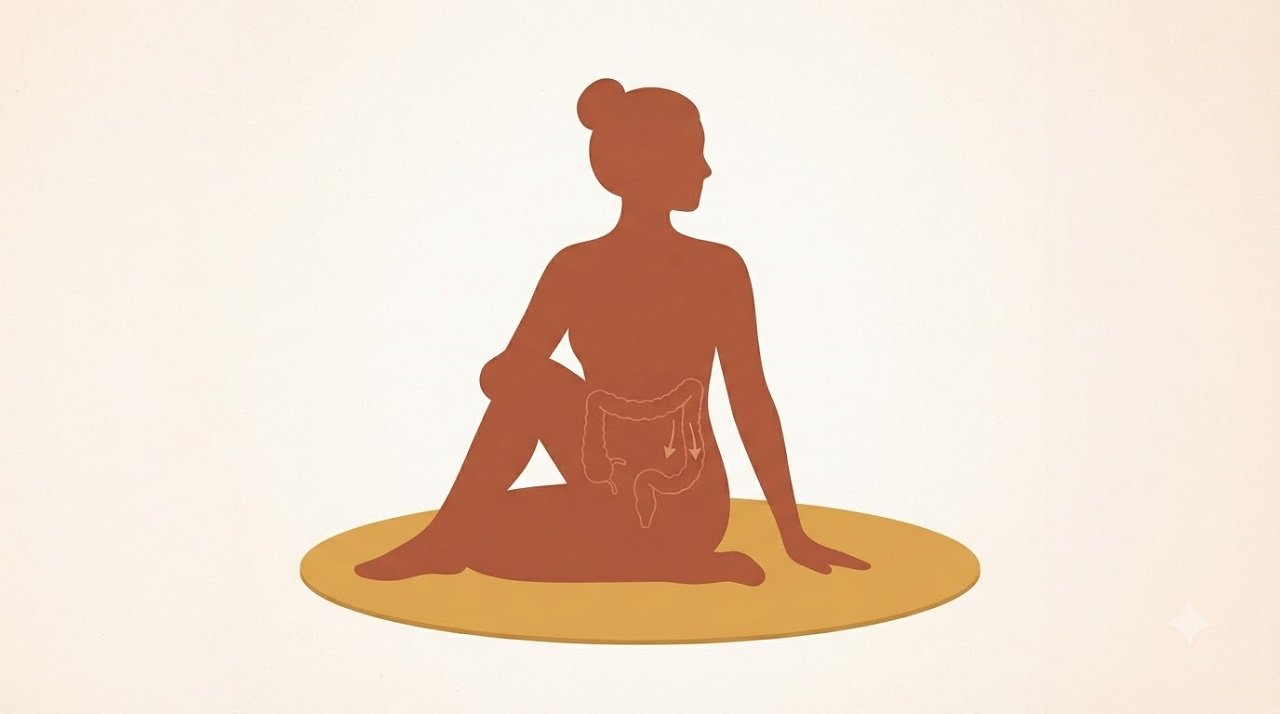
Yoga and basic stretching exercises fit nicely into a cleanse routine. They allow you to relax and stretch, reducing overall tension without overtaxing your body. These sessions help calm both the mind and the gut, aiding digestion while offering a mental break. Try integrating some standard poses like the child’s pose, cat-cow sequence, or a simple seated twist into your morning or evening routine.

Some easy steps include:

  1. Start with a few mindful yoga poses focusing on breath control.

  2. Progress with mild stretching to ease any tightness.

  3. End with a few minutes of relaxation while lying down.

A calm session can work wonders. See additional tips on Gut Movement for a balanced approach.

Listening To Your Body

Pay special attention to what your body is saying during the cleanse. It’s important not to overdo any movement. If you feel tired or notice any discomfort, let your body have the needed rest. Keeping an exercise journal might help track your energy levels and improve your routine over time.

Consider these steps when tuning in:

  • Monitor how you feel before and after each exercise

  • Note any discomfort or unusual signs

  • Modify your routine to match your current energy

This self-check ensures your cleanse supports your health goals. Learn more on how Exercise enhances your digestive comfort.


Final Thoughts on Your 3-Day Gut Cleanse

Wrapping up, a 3-day gut cleanse at home recipe can be a refreshing way to hit the reset button on your digestive health. It’s not just about what you eat, but also about how you feel during and after the cleanse. Sure, you might face some cravings or feel a bit off at first, but many people find that they have more energy and clarity by the end. 

Remember, this isn’t a long-term fix, but a quick way to give your gut a little TLC. If you find it helpful, consider making it a regular part of your routine. Just listen to your body, and don’t hesitate to reach out to a healthcare professional if you have any concerns.


Frequently Asked Questions

What is a gut cleanse?

A gut cleanse is a short diet to help improve digestion and remove toxins from the body.

How do I prepare for a 3-day gut cleanse?

You should plan your meals, make a grocery list, and set up your kitchen for easy cooking.

What foods should I avoid during the cleanse?

Avoid dairy, gluten, sugar, coffee, alcohol, and processed foods.

Can I exercise while doing a gut cleanse?

Yes, but focus on gentle activities like walking or yoga.

What are the benefits of a gut cleanse?

Benefits include better digestion, more energy, and improved mood.

What should I do after the cleanse?

Gradually reintroduce foods and continue to eat healthy to maintain gut health.

Continue Reading

Trending