
Mental Health
How to Tell If You Have High-Functioning Depression: Signs Most People Miss

The content on this website – including articles, event announcements, personal experiences, and recommendations – is for informational and educational purposes only and is not medical advice. Always consult a qualified healthcare professional before making any changes to your diet, exercise, supplements, sleep habits, or wellness routines, especially if you are pregnant, nursing, on medication, or have any medical condition.

Informational purposes only — not a substitute for medical advice
Disclaimer: This article is for informational and educational purposes only. It does not constitute medical advice, diagnosis, or treatment. A list of signs cannot diagnose depression. If you recognise yourself in this article, please use it as a starting point for a conversation with a qualified healthcare professional — not as a conclusion.
You get things done. You show up for work, meet your deadlines, maintain your friendships, and look — to everyone around you — like someone who has it together. But underneath all of that, something feels off in a way you can’t quite explain. Not dramatically, not visibly. Just a persistent, low-grade flatness. A sense that you’re going through the motions rather than actually living them.
If that resonates, you may be experiencing what’s commonly called high-functioning depression.
Here’s the first thing you need to know: that term doesn’t appear in any clinical manual. High-functioning depression is not a formal diagnosis in the DSM-5 or the ICD-11. What it describes — and describes accurately — is a real, recognisable presentation that does have clinical names. Understanding those names, and what they actually mean, is the key to getting help for something that too many people spend years dismissing as a personality quirk, an attitude problem, or simply “just how I am.”
What “High-Functioning Depression” Actually Is Clinically
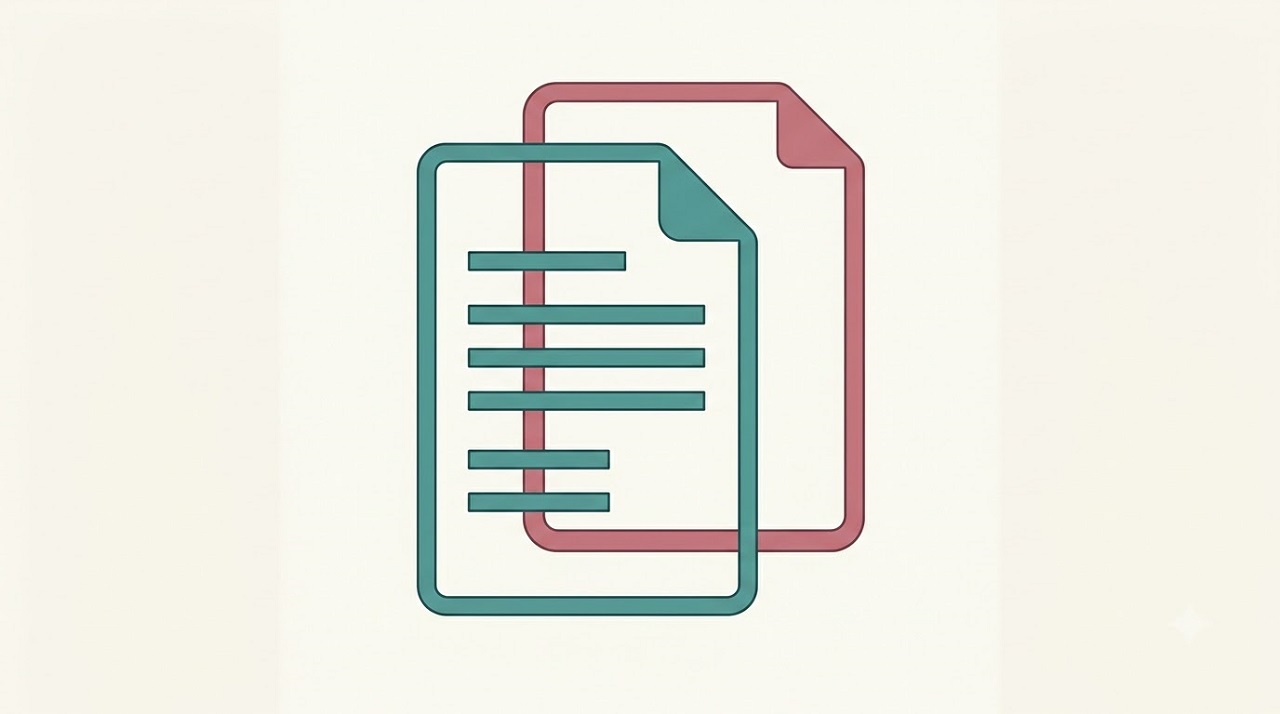
The term high-functioning depression entered clinical discourse in the late twentieth century as an informal descriptor — useful, descriptive, and widely resonant, but not a diagnostic category in its own right.
A 2025 peer-reviewed study published in Cureus (NCBI/PMC) by Joseph and colleagues, which characterised the clinical correlates of high-functioning depression in 120 adult participants aged 18–75, defined it as: experiencing depressive symptoms — fatigue, anhedonia, poor concentration, guilt, restlessness, sleep disturbances, and appetite changes — without experiencing a significant lack of functioning or overt distress. The study found that 60% of participants demonstrated high-functioning depression and 14% demonstrated what the researchers described as “very” high-functioning depression. The same study identified a strong association between high-functioning depression and anhedonia — the inability to feel pleasure — with anhedonia scores significantly predicting overall high-functioning depression severity.
Clinically, the presentation maps most directly onto two diagnostic categories:
Persistent Depressive Disorder (PDD): The DSM-5-TR definition, updated in 2022, describes PDD as a depressed mood occurring for most of the day, more days than not, for at least two years in adults, with symptoms never absent for more than two consecutive months during that period. According to StatPearls (NCBI Bookshelf, updated August 2024), PDD was introduced in DSM-5 to consolidate what were previously two separate diagnoses: chronic major depressive disorder and dysthymic disorder (dysthymia). The DSM-5-TR notes a particularly important clinical observation: because the symptoms become part of the individual’s day-to-day experience, especially in early-onset cases, they may not be reported unless the person is specifically prompted — because the person has often concluded that this is simply how they feel, permanently.
Major Depressive Disorder with maintained functioning: Some people experience full major depressive episodes — meeting the clinical threshold for MDD — without the visible functional collapse that the popular image of depression associates with the condition. They continue working, maintaining relationships, and meeting obligations, while internally experiencing symptoms that fully meet MDD criteria.
Double depression: A third pattern exists where episodes of major depression are superimposed on an underlying PDD — meaning the person carries the chronic low mood of PDD as a baseline, with acute depressive episodes layered on top. Research suggests this combination is common and associated with more significant impairment than either condition alone.
The 12-month prevalence of PDD in the United States is estimated at approximately 1.5–2% of adults, with substantial underdiagnosis precisely because people with this presentation continue to function. According to the National Institute of Mental Health (NIMH), the lifetime prevalence of persistent depressive disorder is 3.6% among US adults.
Why It Stays Hidden — From Others and From You

The invisibility of high-functioning depression is not accidental. It’s structural.
The first layer is external: people with this presentation look fine. They go to work. They smile. They make plans. Nothing in their visible behavior signals distress. This means the people around them — partners, friends, colleagues — have no reliable cue to offer help or ask questions. The person dealing with it rarely receives the social recognition that often comes with more visible forms of mental illness.
The second layer is internal, and it’s harder to navigate. According to the 2025 Joseph et al. study in Cureus, individuals with high-functioning depression often identify strongly with their productivity and capability. Their functioning isn’t just a mask — it’s also a core part of how they understand themselves. Acknowledging depression feels, to many of them, like admitting that the competent, reliable self they’ve presented to the world is false. This creates a powerful psychological barrier to self-recognition.
The DSM-5-TR notes this directly in its description of PDD: the symptoms become so integrated into daily experience, particularly in early-onset cases, that people are often unable to distinguish them from their baseline personality. Chronic low mood that has been present since adolescence doesn’t feel like a condition. It feels like a character trait. “I’ve always been this way” is one of the most common things clinicians hear from people who have had unrecognised PDD for years or decades.
The third layer is the productivity trap. High-functioning depression often coexists with overwork. The busyness is not coincidental — it serves a function. Staying perpetually occupied means less time sitting with the flatness, the emptiness, or the vague sense that something is wrong. Work becomes both a coping mechanism and a proof of adequacy. “I can’t be depressed — look how much I’m getting done.”
Signs of High-Functioning Depression: What to Actually Look For

Most articles on this topic list symptoms that overlap heavily with any depression list. The signs below are specifically framed around the high-functioning presentation — how these symptoms appear when someone is maintaining daily life on the outside while experiencing them on the inside.
You’ve lost enjoyment without losing activity. You still attend social events, pursue hobbies, and keep up your commitments. But the internal experience of those things has changed. You go through the motions because you know you should, not because you genuinely want to. Activities that once felt restorative now feel like obligations. This is anhedonia — the hallmark feature of depression that is most often missed in high-functioning presentations because the person is still showing up. As the 2025 Joseph et al. study found, anhedonia is the strongest predictor of high-functioning depression severity, and it is consistently under-recognised precisely because its outward signal — continued participation — looks like wellness.
Your baseline mood has quietly shifted. Not sadness, exactly. More like a persistent flatness — a grey undertone to daily experience that has been there so long you’ve stopped noticing it distinctly. The DSM-5 notes that in PDD, people often describe feeling as though they’ve “always been this way,” which makes the mood shift almost impossible to detect from the inside. The person who has been mildly depressed for six years doesn’t experience it as six years of depression. They experience it as just how they are.
You feel it physically before you name it emotionally. Fatigue that sleep doesn’t fix. Persistent low energy that makes even simple tasks feel heavier than they should. Unexplained aches, tension, or digestive issues that doctors haven’t found a clear cause for. Depression has well-documented somatic features — physical symptoms that appear without an obvious organic cause — and in high-functioning presentations, these physical signals sometimes arrive before the person has identified anything as depression.
Irritability is the emotion that shows. Because the internal flatness rarely displays outwardly as visible sadness, the emotion that leaks through most often is irritability. A shorter fuse. Disproportionate frustration at small inconveniences. A hair-trigger reaction to interruptions or plans changing. This is especially common in the PDD presentation and is one of the features clinicians look for when the person hasn’t presented with “I feel depressed.”
You’re always almost okay. Not in crisis. Not falling apart. Just not quite right. There’s a sense of functioning slightly below your own capacity — a persistent gap between the life you’re maintaining and a fuller, more alive version of yourself that feels out of reach without a clear reason why. This “almost okay” quality is one of the harder things to bring to a clinician because it doesn’t feel urgent enough to warrant attention.
Perfectionism has become a coping mechanism. Many people with high-functioning depression develop perfectionist patterns — overchecking work, compulsive productivity, difficulty delegating — as a way of managing the internal feeling of inadequacy and keeping the external picture impeccable. The busyness holds the flatness at bay and provides evidence against the internal critic. According to Rolling Out‘s clinical coverage, perfectionist tendencies as a masking strategy are one of the more consistent patterns observed in this presentation.
Sleep is consistently disrupted at one end or the other. Either difficulty getting to sleep or staying there — often accompanied by a restless, overactive mind at night — or sleeping significantly more than needed, using sleep as an escape from a waking experience that feels flat and effortful. The DSM-5-TR criteria for PDD include sleep disturbance as one of its core associated features.
You rely on something to get through the end of the day. Alcohol, food, social media scrolling, compulsive online shopping, binge-watching — not in a catastrophic way, but as a reliable nightly ritual of numbing. The pattern often doesn’t feel like a problem from the inside because the quantities are manageable. It’s the function it serves — consistent emotional escape at the end of a long day of performing normality — that is the signal worth paying attention to.
You find yourself thinking “what’s the point” without any drama. Not suicidal ideation. More like a passive, low-grade pessimism — a background belief that things probably won’t get significantly better, that effort doesn’t really change outcomes, that the future is a flatter version of now. This kind of passive hopelessness is one of the most clinically significant features of chronic depression and one of the least dramatised, because it doesn’t announce itself. It just quietly colours how decisions get made.
High-Functioning Depression vs. Burnout: An Important Distinction
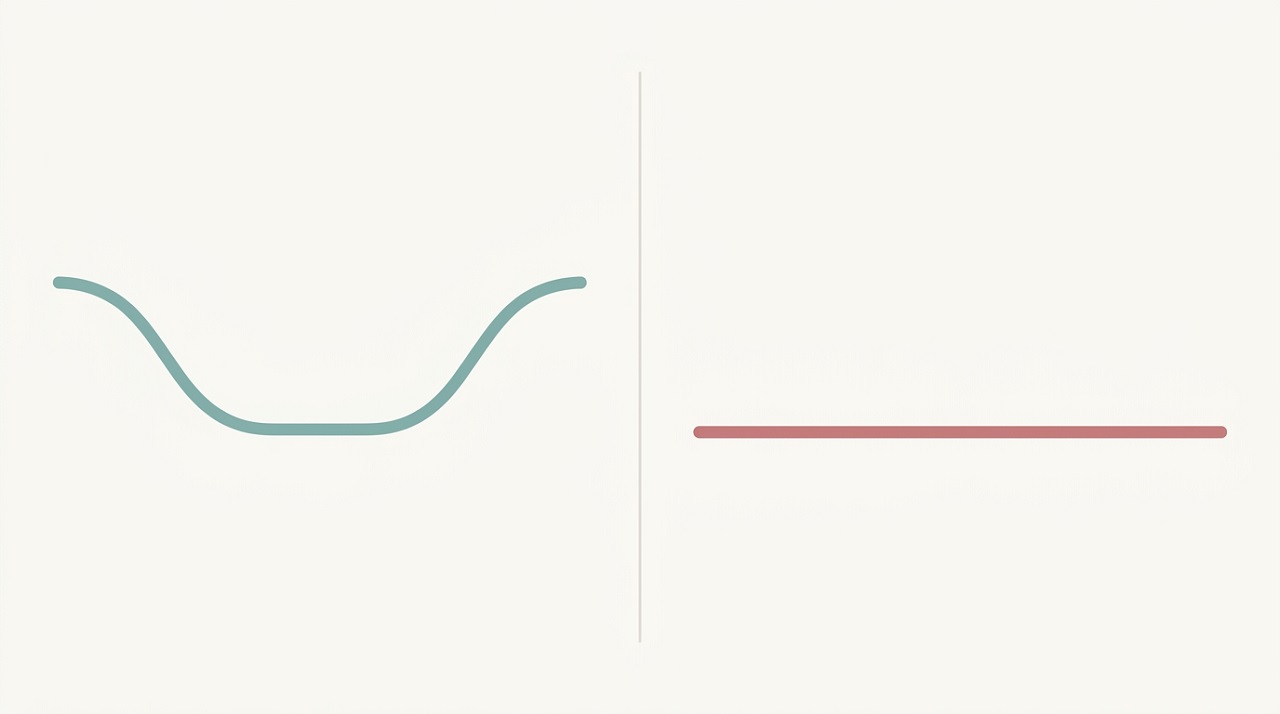
These two conditions overlap in symptom presentation and are frequently confused — including by the people experiencing them.
Both involve fatigue, reduced motivation, difficulty concentrating, emotional detachment, and declining enjoyment of previously satisfying work. The surface presentation can be nearly identical.
The key distinction, supported by clinical literature, is the relationship between the symptoms and work or external stressors.
Burnout is context-specific and recovers with rest. The symptoms are directly tied to occupational overload, and meaningful improvement follows removal from the stressor — a long break, a job change, a significant reduction in demands. The mood and energy recover when the context changes.
High-functioning depression doesn’t resolve when external conditions improve. A person with PDD or masked MDD can take a holiday, change jobs, or significantly reduce their workload and find that the flatness, the fatigue, and the loss of enjoyment remain. The symptoms are internal and persistent, not reactive to circumstance. This is the most reliable distinguishing question: if the stressor were removed tomorrow, would the feeling lift? With burnout, probably yes. With depression, probably not.
A 2025 study published in Cureus by Joseph et al. noted explicitly that symptoms typically associated with burnout — depleted energy and the inability to maintain relationships effectively — are not typically experienced or reported by individuals with high-functioning depression, who specifically maintain these capacities outwardly. The presentations share features but are not the same condition, and they don’t respond to the same interventions.
The Double Depression Risk Nobody Talks About
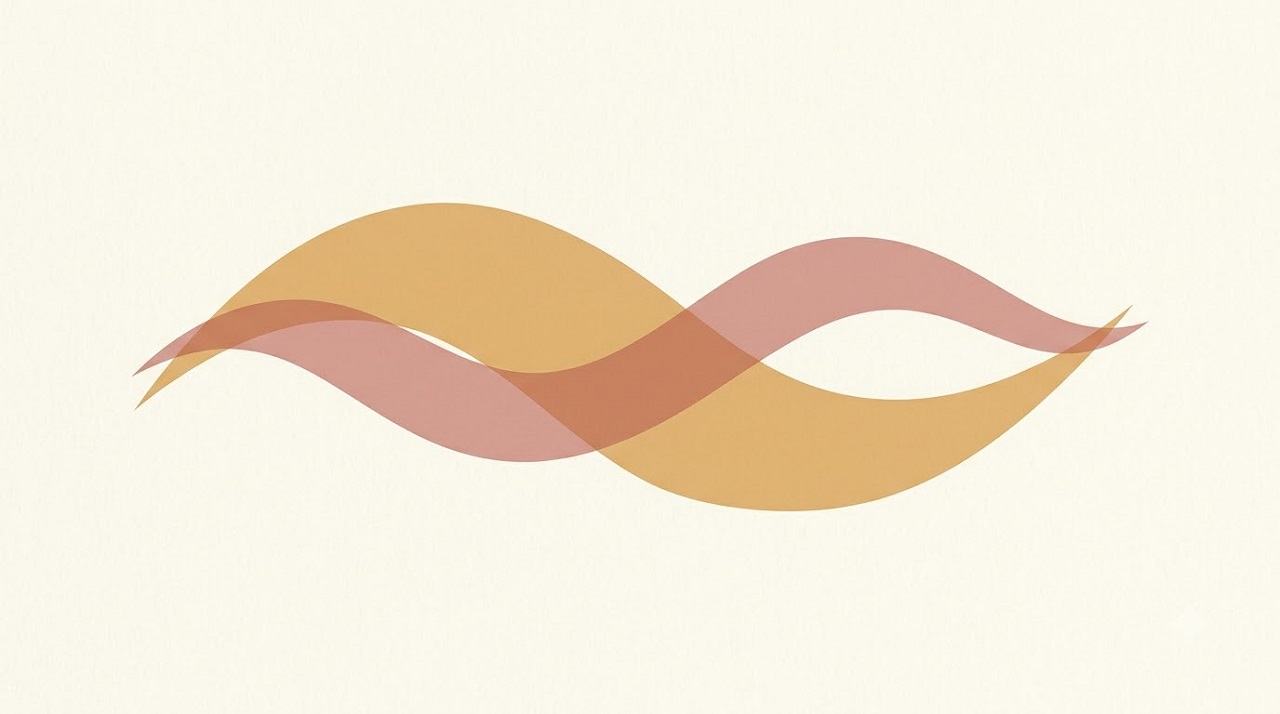
One pattern worth understanding is double depression — a term used clinically to describe major depressive episodes superimposed on an underlying persistent depressive disorder.
In practical terms: someone with PDD is already carrying a below-the-waterline mood baseline. When a major depressive episode develops on top of that baseline, it represents a significant worsening — but because their starting point was already depressed, neither the person nor those around them necessarily registers the acute episode as a departure from normal. The person has been “a bit flat” for years. This period feels worse, but not dramatically so.
According to StatPearls (NCBI, 2024), PDD often has an early and insidious onset in childhood, adolescence, or early adulthood, and is less likely to fully resolve compared to a major depressive disorder episode. The presence of comorbid anxiety disorders leads to significantly worse long-term outcomes. Research also indicates that people with PDD have higher rates of first-degree relatives with persistent depressive disorder than do people with MDD alone, suggesting a familial component to the chronic presentation.
What Treatment Looks Like for This Presentation

High-functioning depression is treatable. The clinical picture for PDD and related presentations is not hopeless — it’s just slower and requires different expectations than an acute depressive episode.
According to Cleveland Clinic (reviewed September 2024), the most effective treatment for persistent depressive disorder combines medication, psychotherapy, and lifestyle changes, rather than any single approach alone.
Psychotherapy: Cognitive Behavioural Therapy (CBT) is the most widely studied psychological intervention for depression generally. A 2024 systematic review published in Frontiers in Psychiatry found that adding CBT to antidepressant medication more than doubled response rates in patients with treatment-resistant depression, over three-quarters of whom had a chronic depressive episode at baseline.
A therapy specifically designed for chronic depression — the Cognitive Behavioral Analysis System of Psychotherapy (CBASP) — is recommended as first-line psychotherapeutic treatment for PDD in several national and international clinical guidelines, including the European Psychiatric Association. CBASP was developed specifically for the interpersonal patterns and chronic course that characterise PDD. According to a 2021 editorial published in Frontiers in Psychiatry, CBASP is particularly effective for patients with early-onset PDD, significant comorbidity, and a history of trauma.
Medication: Antidepressants, particularly SSRIs and SNRIs, are effective for PDD and are often recommended in combination with psychotherapy rather than as standalone treatment. StatPearls (NCBI, 2024) notes that response to medication is observed, but that the evidence base for medication in PDD specifically is smaller than for MDD, and that combination treatment generally produces better outcomes than medication or therapy alone.
What recovery looks like in practice: For PDD in particular, improvement tends to be gradual rather than dramatic. The goal is not a sudden lifting of mood but a slow broadening of emotional range, increasing energy, and the return of genuine enjoyment in daily activities. Many people describe it less as feeling better and more as noticing, eventually, that the grey undertone has lightened.
Frequently Asked Questions
Is high-functioning depression a real diagnosis?
The term itself is not a formal diagnosis in the DSM-5 or ICD-11. It’s a widely used descriptor for presentations that map clinically onto Persistent Depressive Disorder (PDD), Major Depressive Disorder with maintained functioning, or double depression. A 2025 peer-reviewed study in Cureus formally characterised its clinical correlates, which is a meaningful step toward clinical recognition, but it remains diagnostically informal. A mental health professional evaluating you will use the formal categories when diagnosing.
Can you have high-functioning depression and not feel sad?
Yes. Sadness is not a required feature of the presentation. Anhedonia — the loss of pleasure and interest in things that previously brought enjoyment — is often the more prominent feature, and it can exist without visible or even internally experienced sadness. Irritability, fatigue, and emotional numbness are frequently more prominent than overt low mood.
How long does high-functioning depression typically last?
Research cited by Bridges to Recovery indicates that adults with high-functioning depression experience symptoms for an average of five years. PDD, by definition, requires at least two years of symptoms for diagnosis. Left untreated, the chronic course of PDD means it can persist for a decade or longer.
Could it be burnout instead?
It could be either, or both. The distinguishing question is whether symptoms persist independently of external stressors and don’t resolve meaningfully with rest. Burnout improves when the occupational overload is removed. Depression typically doesn’t. If you’ve had sustained periods of rest and the flatness remains, that’s worth bringing to a professional.
Can someone with high-functioning depression get worse suddenly?
Yes. The double depression pattern — where a major depressive episode develops on top of an existing PDD baseline — is a recognised risk. Because the person is already used to functioning with a depressed baseline, they may not immediately identify the worsening as a clinical escalation. This is one reason prompt evaluation is important rather than waiting to see if it resolves on its own.
Sources & References
- Joseph JF, Tural U, Joseph ND, et al. “Understanding High-Functioning Depression in Adults.” Cureus, 17(2): e78891, 2025. doi:10.7759/cureus.78891. ncbi.nlm.nih.gov/pmc/articles/PMC11831407
- Patel RK, Rose GM. “Persistent Depressive Disorder.” StatPearls [Internet]. NCBI Bookshelf. Updated August 2024. ncbi.nlm.nih.gov/books/NBK541052
- American Psychiatric Association. “Persistent Depressive Disorder.” DSM-5-TR Update Bulletin, 2022. APA Publishing. psychiatry.org/getmedia/fd3dfaad
- National Institute of Mental Health (NIMH). “Persistent Depressive Disorder (Dysthymic Disorder): Statistics.” U.S. Department of Health and Human Services. nimh.nih.gov/health/statistics/persistent-depressive-disorder-dysthymic-disorder
- Cleveland Clinic. “Persistent Depressive Disorder (PDD): Symptoms and Treatment.” Reviewed September 2024. my.clevelandclinic.org/health/diseases/9292-persistent-depressive-disorder-pdd
- Wiersma J, Klein P, Schramm E, Furukawa T, Favorite T. “Editorial: CBASP in the Treatment of Persistent Depressive Disorder.” Frontiers in Psychiatry, 2021. doi:10.3389/fpsyt.2021.804602. ncbi.nlm.nih.gov/pmc/articles/PMC8716920
- Voderholzer U, et al. “Enduring effects of psychotherapy, antidepressants and their combination for depression: a systematic review and meta-analysis.” Frontiers in Psychiatry, 2024. doi:10.3389/fpsyt.2024.1415905. ncbi.nlm.nih.gov/pmc/articles/PMC11632389
- Open University. “Exploring Depression: The Diagnosis of Depression.” OpenLearn. open.edu/openlearn/science-maths-technology/exploring-depression
- Bridges to Recovery. “High-Functioning Depression.” bridgestorecovery.com/high-functioning-depression
- Olanrewaju J, et al. “High-functioning depression: a hidden burden demanding clinical recognition.” ResearchGate, 2025. researchgate.net/publication/388925250
This article is for informational and educational purposes only. It does not constitute medical advice and should not be used to self-diagnose or replace consultation with a qualified mental health or medical professional. If you are in crisis or experiencing thoughts of self-harm, please contact a mental health crisis helpline or your local emergency services immediately.












Informational purposes only — not a substitute for medical advice
Disclaimer: This article is for informational and educational purposes only. It does not constitute medical advice, diagnosis, or treatment. If you are experiencing unexplained or severe physical symptoms, please consult a qualified healthcare professional to rule out other conditions.
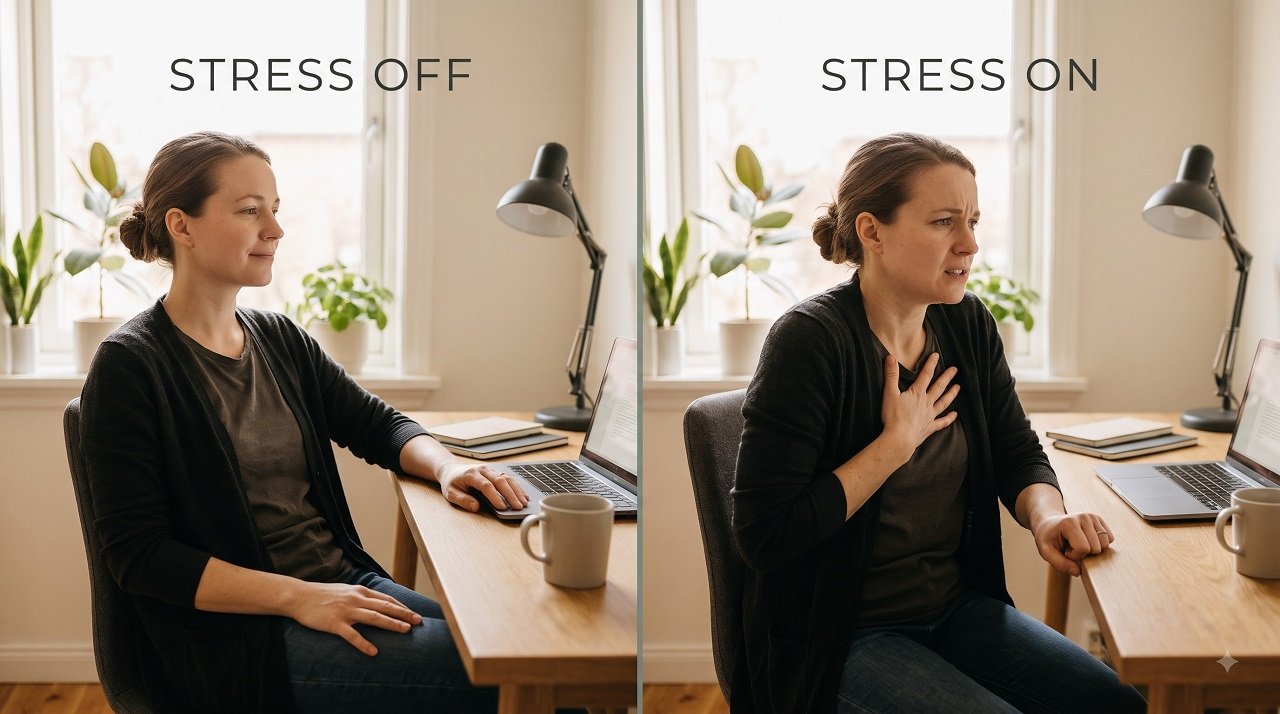
The headache that won’t lift. The knot in your stomach before a difficult conversation. The way your heart races when your inbox fills up. These aren’t coincidences — and they’re not weakness. They are the predictable, well-documented result of biological systems doing exactly what they were designed to do, just in a context those systems weren’t designed for.
According to the American Psychological Association’s research on stress and the body, stress affects every major organ system — cardiovascular, respiratory, musculoskeletal, gastrointestinal, endocrine, reproductive, and immune. The APA reports that approximately 75% of Americans experience physical or emotional symptoms they associate with stress. Gallup’s 2023 Global Emotions Report puts daily significant stress at around 49% of US adults.
These are not trivial numbers. And the symptoms they produce are not trivial either.
This article covers what stress and anxiety actually do to your body, system by system, with the physiological mechanisms explained — because understanding why something is happening is often the first step toward addressing it.
The Two-System Response: What’s Actually Happening
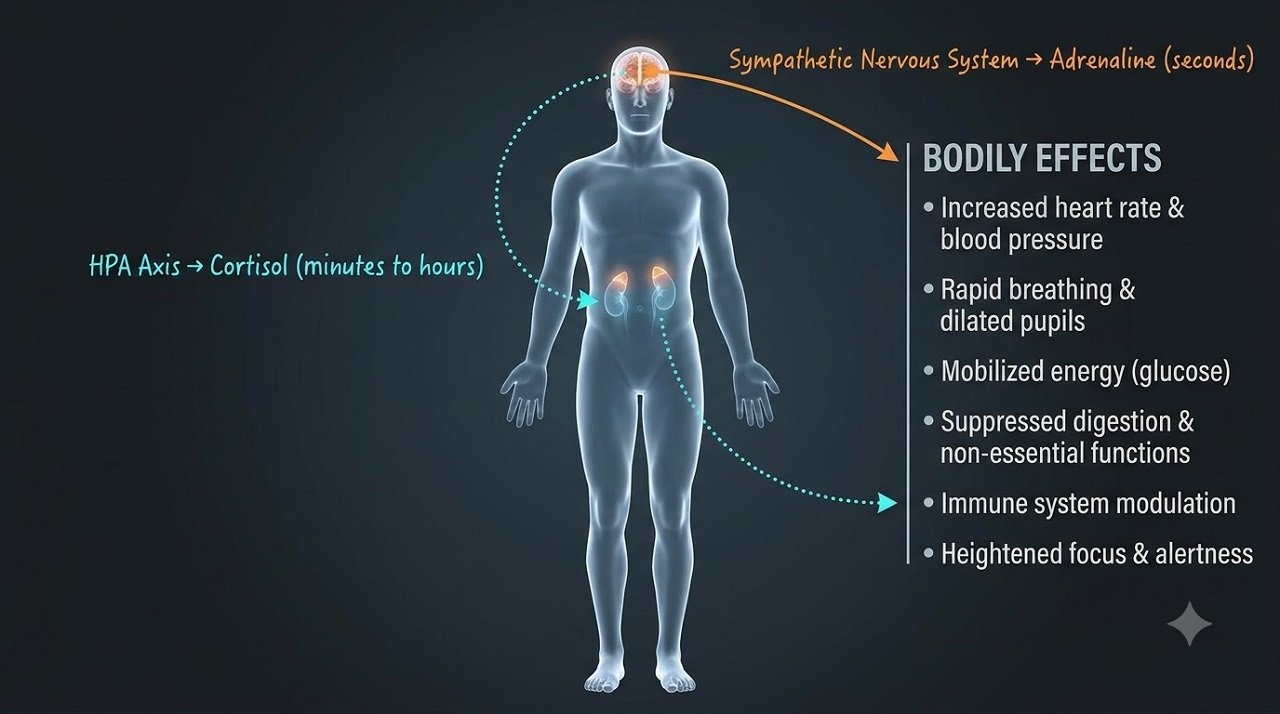
Before diving into symptoms by body system, it helps to understand the two biological systems driving them.
The sympathetic nervous system (SNS) — the fast response. When you perceive a threat — a deadline, a confrontation, a frightening piece of news — your brain’s amygdala fires an alarm signal. Your hypothalamus activates the sympathetic nervous system within milliseconds, flooding your body with adrenaline (epinephrine) and noradrenaline. Heart rate accelerates. Blood is diverted away from non-essential systems (digestion, reproduction, immune activity) toward the muscles and lungs. Your pupils dilate. Your liver dumps glucose into your bloodstream. This is the fight-or-flight response, and it is fast, powerful, and non-discriminating — it cannot tell the difference between a tiger and an unread email.
The HPA axis — the sustained response. Seconds later, the hypothalamic-pituitary-adrenal (HPA) axis activates. Your hypothalamus signals the pituitary gland, which signals the adrenal glands to release cortisol — the primary stress hormone. Unlike adrenaline, which spikes and fades, cortisol lingers. Its job is to sustain the stress response and mobilise energy over a longer period. According to the APA, cortisol normally drops once the stressor resolves. In chronic stress, it does not — and this sustained cortisol elevation is where most of the long-term physical damage originates.
Anxiety operates through the same systems. The difference is that anxiety is often triggered by perceived or anticipated threats rather than immediate ones — which means the stress response can fire repeatedly in the absence of a concrete danger, and the body pays the same physiological price regardless.
Cardiovascular System: Heart, Blood Pressure, Circulation

Acute response: During the immediate stress response, your heart beats faster and harder. Blood pressure rises. Blood is redirected to large muscles to support physical action.
Chronic impact: When the stress response activates frequently and stays activated, the cardiovascular system bears a disproportionate share of the cost. According to the APA, chronic stress is associated with higher risk of hypertension, inflammation in the coronary arteries, heart attack, and stroke. The mechanism involves sustained SNS activation increasing arterial pressure, while elevated cortisol promotes inflammatory processes that can contribute to arterial plaque.
Anxiety adds another layer. The palpitations, racing heart, and chest tightness that accompany acute anxiety — which are covered in detail in our article on what an anxiety attack feels like physically — activate the same cardiovascular pathways. When anxiety is persistent, those pathways stay activated.
What you may notice:
- Racing or irregular heartbeat (palpitations)
- Chest tightness or pressure
- A pounding sensation in the chest, neck, or temples
- Elevated resting heart rate
- Cold hands and feet (blood diverted from extremities)
- Elevated blood pressure readings
Musculoskeletal System: Tension, Pain, Headaches
Muscle tension is one of the most immediate and universal physical responses to stress. According to the APA, the body’s protective reflex under threat is to tighten muscles — a preparation for impact or physical action. In a genuinely physical emergency, this makes sense. Sustained under chronic stress, it produces a state of near-constant guarding that most people don’t consciously register until it produces pain.
The APA notes that job-related stress in particular is linked to tension-type headaches and low back and upper limb pain. The pathway is direct: sustained contraction of the neck, scalp, and shoulder muscles restricts blood flow and irritates surrounding tissue, producing the characteristic band-like pressure of a tension headache. Jaw clenching and teeth grinding (bruxism) — often occurring unconsciously during sleep — are closely associated with chronic stress and anxiety and can cause jaw pain, dental damage, and morning headaches.
What you may notice:
- Tension headaches — a band of pressure across the forehead or around the skull
- Neck and shoulder stiffness or aching
- Jaw soreness, especially in the morning
- Upper or lower back pain without a clear physical cause
- A general feeling of physical heaviness or fatigue
Respiratory System: Breathing, Chest, Asthma
Stress and anxiety constrict the airways. According to the APA, this constriction can cause shortness of breath and rapid breathing, and can trigger or worsen asthma and COPD in people who have those conditions.
For people with anxiety specifically, respiratory symptoms are a core physical feature — and they operate in a loop. Rapid shallow breathing (hyperventilation) reduces carbon dioxide levels in the blood, which produces tingling, dizziness, and a sense of unreality. This heightened bodily awareness then feeds back into anxiety, intensifying the breath-focused symptoms. The APA notes that stress-driven hyperventilation can trigger panic attacks in people who are prone to them.
What you may notice:
- Shortness of breath at rest or with mild exertion
- A feeling of not being able to get a full breath
- Rapid, shallow breathing
- Chest tightness
- Sighing frequently
- Dizziness or light-headedness
- Tingling in the hands, feet, or face
Gastrointestinal System: The Gut-Brain Axis

This is the body system where stress and anxiety produce the broadest range of symptoms — and the one where the physiological mechanism is most underappreciated.
The gut contains more nerve endings than the spinal cord and is sometimes called the “second brain” because of its dense neural network (the enteric nervous system). The gut and brain are in continuous, bidirectional communication via the vagus nerve — a direct highway connecting the two. This connection is why anxiety produces stomach symptoms before a presentation, and why gastrointestinal disease often worsens mental health.
According to the APA, stress can intensify pain, bloating, and nausea; change appetite; worsen heartburn and acid reflux; cause diarrhoea or constipation; produce bowel spasms; and weaken the intestinal barrier. The APA explicitly notes that stress does not cause stomach ulcers — those are caused by bacterial infection — but it can make ulcers more painful and harder to heal.
Irritable bowel syndrome (IBS) is particularly closely linked to stress and anxiety. Research in Nutrients and multiple PMC reviews confirms that the HPA axis dysregulation seen in chronic stress directly disrupts gut motility, alters the gut microbiome, and increases intestinal permeability — all of which can trigger or worsen IBS symptoms. The University of Michigan’s Digestive Health program notes that the gut-brain connection is bidirectional: stress worsens gut symptoms, and gut symptoms in turn worsen stress and anxiety.
What you may notice:
- Nausea or stomach cramps before or during stressful events
- Appetite changes — eating much more or much less than usual
- Constipation, diarrhoea, or alternating patterns
- Heartburn or acid reflux flares
- Bloating or gas
- IBS flares with no obvious dietary trigger
Immune System: Illness, Inflammation, Slow Healing
Cortisol is both an anti-inflammatory and an immune suppressant. In the short term, this is adaptive — it prevents the immune system from over-responding to the immediate stressor. Over the long term, chronically elevated cortisol impairs the immune system’s ability to respond normally to threats.
According to the APA, impaired HPA axis communication — a hallmark of chronic stress — has been linked to more frequent illness, chronic fatigue, metabolic disorders including diabetes and obesity, and immune disorders. Research published in JAMA Psychiatry found that prolonged high stress doubled the likelihood of developing metabolic syndrome. The cumulative biological cost of chronic stress on the body’s regulatory systems is sometimes described as allostatic load — a concept developed by neuroscientist Bruce McEwen at Rockefeller University to quantify the wear and tear chronic stress places on the body’s regulatory systems.
Wound healing is also impaired under stress. The PMC review published in 2026 on stress and skin conditions found that stress reduces collagen production and delays tissue repair, and that preoperative fear and anxiety are associated with impaired wound recovery.
What you may notice:
- Getting sick more often — colds, infections, minor illnesses
- Taking longer to recover from illness
- Feeling run-down even when not actively unwell
- Slow healing of minor cuts or skin irritation
- Chronic low-grade inflammation
Skin: The Visible Signal of Internal Stress
Skin is one of the most responsive organs to stress, because it has its own local HPA-like system that mirrors the systemic stress response. The 2026 PMC narrative review on psychological stress and skin conditions confirms that the HPA axis elevation seen under stress increases cortisol at both systemic and local levels, which reduces skin hydration, impairs the skin barrier, promotes inflammatory skin responses, and raises ACTH — which increases melanin production and can cause hyperpigmentation.
Specific dermatological conditions strongly linked to stress include psoriasis, atopic dermatitis (eczema), acne, alopecia areata (patchy hair loss), urticaria (hives), and seborrheic dermatitis. The review also documents a separate mechanism — catecholamines and neuropeptides released by nerve fibres near the skin triggering mast cell activation and neurogenic inflammation, which drives itch, redness, and barrier changes.
Telogen effluvium — diffuse hair shedding typically occurring two to three months after an acute stressor — is also well documented. It is caused by the stress response prematurely pushing hair follicles from the growth phase into the resting phase.
What you may notice:
- Acne flares not obviously linked to diet or hormones
- Eczema or psoriasis worsening during stressful periods
- Hives or unexplained skin redness
- Increased skin sensitivity
- Hair thinning or shedding two to three months after an intense stressor
- Slow healing of skin conditions
Sleep: Cortisol’s Most Disruptive Effect

Cortisol and sleep are on opposite schedules in a healthy system. Cortisol peaks in the morning to prepare you for the day and falls through the evening to allow sleep to occur. Chronic stress disrupts this rhythm — keeping cortisol elevated into the evening, which delays sleep onset, reduces deep sleep, and can cause early-morning waking (the body’s misread attempt to mobilise for a day that hasn’t started).
According to Henry Ford Health’s 2026 overview of stress and the body, trouble sleeping is one of the most common chronic stress symptoms, alongside headaches, digestive problems, high blood pressure, and hives.
Anxiety adds its own sleep disruption: racing thoughts, physical tension, and hypervigilance around sleep itself (the anxious monitoring of whether sleep is coming) can create a feedback loop where anxiety causes poor sleep, and poor sleep worsens anxiety.
What you may notice:
- Difficulty falling asleep despite feeling tired
- Waking in the early hours and being unable to return to sleep
- Unrefreshing sleep — waking more tired than when you went to bed
- Vivid or disturbing dreams
- Racing thoughts at bedtime
Endocrine and Metabolic System: The Long-Term Cost
The HPA axis is the body’s central stress management system, but it does not operate in isolation. Prolonged HPA activation disrupts blood sugar regulation (cortisol raises blood glucose to fuel the fight-or-flight response), thyroid function, and the balance of reproductive hormones.
The APA notes that chronic HPA dysregulation has been linked to metabolic disorders including type 2 diabetes and obesity — consistent with the JAMA Psychiatry finding that prolonged high stress doubled the likelihood of metabolic syndrome. The mechanism involves sustained cortisol elevation promoting insulin resistance and visceral fat accumulation over time.
Reproductive System
In men: According to the APA, chronic stress can reduce testosterone production, lowering libido and potentially causing erectile dysfunction. One cited study found that men who experienced two or more stressful life events in the past year had lower sperm motility and a lower percentage of normal-morphology sperm than men who had not.
In women: The APA reports that stress may cause absent or irregular menstrual cycles, more painful periods, and changes in cycle length. It can reduce sexual desire, affect fertility, and worsen premenstrual symptoms and menopausal hot flashes. Conditions such as PCOS may also be worsened by chronic stress-related hormonal dysregulation.
The Anxiety Symptom Loop
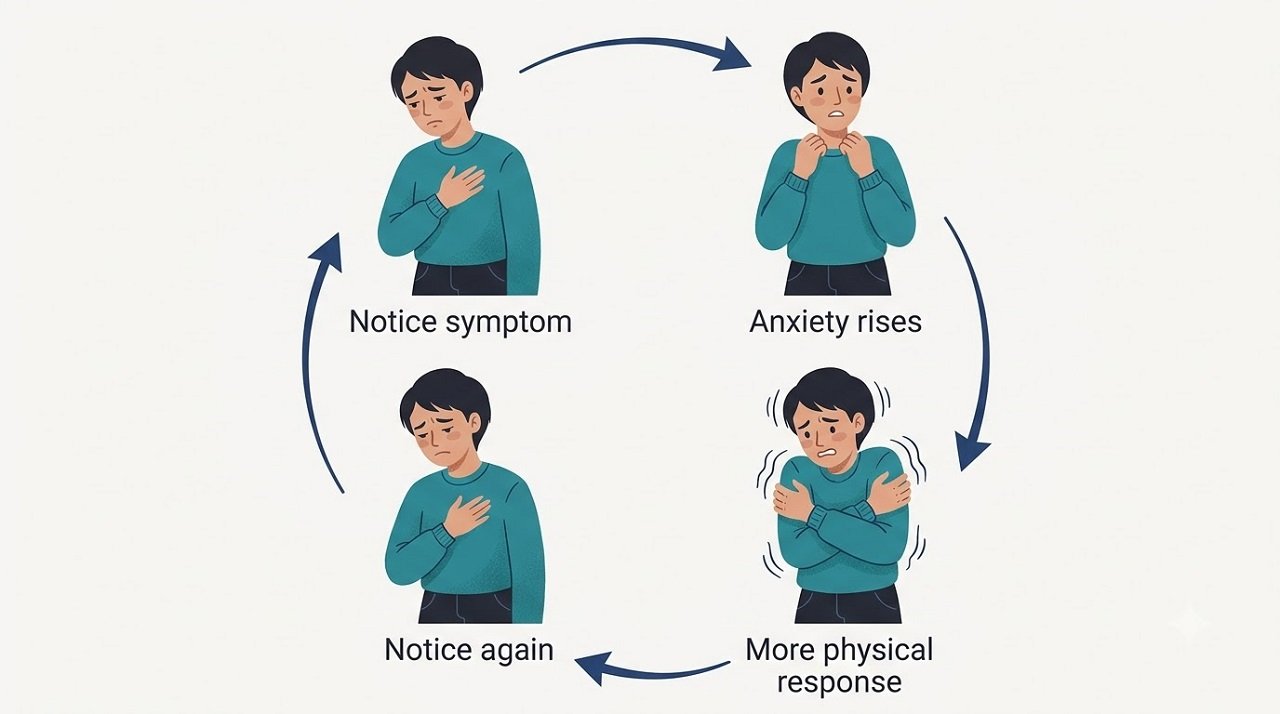
One feature of anxiety-related physical symptoms that sets them apart from stress symptoms is a feedback mechanism — sometimes called interoceptive amplification — where the physical symptom itself becomes a new source of anxiety.
You notice your heart beating harder. That noticing activates the threat-detection system, which increases the heart rate further. You notice the increased heart rate, which increases anxiety, which increases heart rate. The same loop can run with breathing, with dizziness, with gut symptoms. This is why anxiety physical symptoms can feel as though they escalate from nowhere — because the body’s own monitoring of its symptoms becomes the stressor.
Understanding this loop is important because it changes the intervention. Trying to suppress the symptom directly often makes the loop worse. Evidence-based approaches to anxiety — particularly CBT and exposure-based therapy — work in part by reducing the threat value of the bodily sensation rather than eliminating the sensation itself.
This connection between physical stress symptoms and trauma responses is also worth understanding. The fight/flight/freeze physiology that underlies trauma responses uses the same HPA and ANS pathways, and the physical symptoms can be nearly identical.
When Physical Stress Symptoms Become Chronic: Allostatic Load
Most stress responses are designed to be temporary. The body activates, the stressor resolves, and the system returns to baseline. The problem in modern life is that many stressors — work pressure, financial strain, relationship conflict, ongoing health concerns — do not resolve quickly. The stress response activates repeatedly, and the recovery periods become shorter.
This accumulation of physiological wear is what neuroscientist Bruce McEwen called allostatic load — the cumulative cost on the body’s regulatory systems from repeated or chronic stress. High allostatic load is associated with earlier onset of cardiovascular disease, metabolic disorders, immune dysfunction, and cognitive decline.
Our article on what emotional exhaustion and burnout actually are covers how this chronic activation plays out in the context of sustained life demands — it is worth reading alongside this one.
When to See a Doctor

Most physical symptoms of stress and anxiety are real — not imagined, not invented, not “just in your head” — and many resolve or significantly improve when the underlying stress is addressed. However, because stress and anxiety symptoms overlap with symptoms of conditions that need medical attention, certain presentations warrant a medical evaluation:
- Chest pain, particularly with shortness of breath, pain radiating to the arm or jaw, or sweating — these require urgent evaluation to rule out cardiac causes
- Heart palpitations that are irregular, sustained, or accompanied by dizziness or fainting
- Unexplained weight loss alongside other symptoms
- GI symptoms that are new, persistent, include blood, or cause significant weight loss
- Skin changes that don’t improve or appear to be worsening
- Severe or new headache unlike previous headaches
- Neurological symptoms — persistent numbness, vision changes, weakness in a limb
A GP or healthcare provider can assess whether symptoms are stress-related or require further investigation, and can also refer to mental health support if appropriate.
Frequently Asked Questions
Can stress and anxiety cause real physical symptoms?
Yes — completely. Physical symptoms of stress and anxiety have well-documented physiological mechanisms. They are produced by the same nervous system and hormonal pathways (HPA axis, sympathetic nervous system, cortisol) that evolved to handle physical threats. According to the APA, stress affects every major organ system in the body — cardiovascular, respiratory, gastrointestinal, musculoskeletal, endocrine, immune, and reproductive.
What are the most common physical symptoms of stress?
According to the APA and clinical literature, the most commonly reported physical symptoms of stress include headaches (particularly tension headaches), muscle tension (especially neck and shoulders), fatigue, GI problems (nausea, stomach aches, changes in bowel habits), sleep disturbance, and cardiovascular symptoms including elevated heart rate and blood pressure. Skin conditions including acne and eczema flares are also well documented.
Why does stress cause stomach problems?
The gut and brain are connected by the vagus nerve through the gut-brain axis. The gut contains its own dense neural network (the enteric nervous system), and stress activates the HPA axis, which directly disrupts gut motility, alters the intestinal barrier, and changes gut microbiome composition. The result is GI symptoms including nausea, cramping, bloating, diarrhoea, or constipation — even without any gastrointestinal disease present.
Can stress cause hair loss?
Yes. Telogen effluvium — diffuse hair shedding — is a well-documented response to significant acute stress. It occurs because stress hormones push hair follicles prematurely from the growth (anagen) phase into the resting (telogen) phase. The shedding typically appears two to three months after the stressful event, which is why the connection is often not made. In most cases, once the stressor resolves and is managed, hair regrowth follows.
How do I know if my physical symptoms are from stress or something else?
Physical symptoms that appear or worsen during stressful periods and improve when stress reduces are likely stress-related. However, because stress symptoms overlap with symptoms of several conditions requiring medical attention (heart disease, thyroid disorders, GI conditions, etc.), symptoms that are new, severe, persistent, or accompanied by red flags like chest pain with shortness of breath, unexplained weight loss, or blood in stool warrant medical evaluation. A GP can help determine the cause and, if appropriate, refer to mental health support alongside any medical treatment.
Sources & References
- American Psychological Association. “Stress Effects on the Body.” APA Help Center. apa.org/topics/stress/body
- Henry Ford Health. “How Stress Shows Up in the Body.” July 2026. henryford.com/blog/2026/07/how-stress-shows-up-in-the-body
- American Institute of Stress / Gallup. “What the Latest Reports Say About Stress in America.” Stress.org. stress.org/news/what-the-latest-reports-say-about-stress-in-america
- Gallup. 2023 Global Emotions Report. gallup.com/analytics/349280/gallup-global-emotions-report.aspx
- JAMA Psychiatry. “Prolonged High Stress and Metabolic Syndrome Risk.” 2022. jamanetwork.com/journals/jamapsychiatry
- Teo JX, et al. “Psychological Stress and Skin Conditions: A Comprehensive Narrative Review.” PMC, 2026. pmc.ncbi.nlm.nih.gov/articles/PMC12681996
- University of Michigan Digestive Health. “Gut-Brain Axis and IBS.” med.umich.edu/pdf/digestive/Gut-Brain-Axis-and-IBS.pdf
- National Institute of Mental Health (NIMH). “I’m So Stressed Out! Fact Sheet.” nimh.nih.gov/health/publications/so-stressed-out-fact-sheet
- McEwen BS. “Allostasis and Allostatic Load: Implications for Neuropsychopharmacology.” Neuropsychopharmacology, 2000. Rockefeller University. doi.org/10.1016/S0893-133X(99)00129-3
- Orlando Health. “Five Health Risks of Stress.” orlandohealth.com/content-hub/five-health-risks-of-stress
This article is for informational and educational purposes only. It does not constitute medical advice and should not be used to replace consultation with a qualified healthcare or mental health professional. If you are experiencing physical symptoms that concern you, please speak with a doctor.

Informational purposes only — not a substitute for medical advice
Disclaimer: This article is for informational and educational purposes only. It does not constitute medical advice, diagnosis, or treatment. If you or someone you know is experiencing a mental health crisis, please contact a qualified healthcare professional or a crisis helpline immediately.
“Nervous breakdown” is one of the most searched mental health terms on the internet — and one of the least clearly defined. Women search it more than men, at a rate consistent with the fact that women are significantly more vulnerable to the conditions it describes. But what most search results offer in response is a symptom list without a clinical anchor. That isn’t enough — because the right response to what people call a nervous breakdown depends entirely on what is actually happening underneath.
This post provides both: a clear explanation of what a nervous breakdown actually is clinically, and a detailed, research-grounded account of how it presents specifically in women — including the hormonal, social, and biological factors that make women disproportionately vulnerable to reaching the point of crisis.
What Is a Nervous Breakdown? The Clinical Reality
A nervous breakdown is not a clinical diagnosis. It does not appear in the DSM-5, the APA’s Diagnostic and Statistical Manual of Mental Disorders, or in the ICD-11, the WHO’s International Classification of Diseases. There is no diagnostic code for it, no formal clinical criteria, and no agreed medical definition.
What the term describes — colloquially but accurately — is a point at which a person’s psychological resources have been depleted to the degree that they can no longer function normally. They stop being able to manage daily responsibilities: work, parenting, relationships, basic self-care. The internal experience feels like a total collapse.
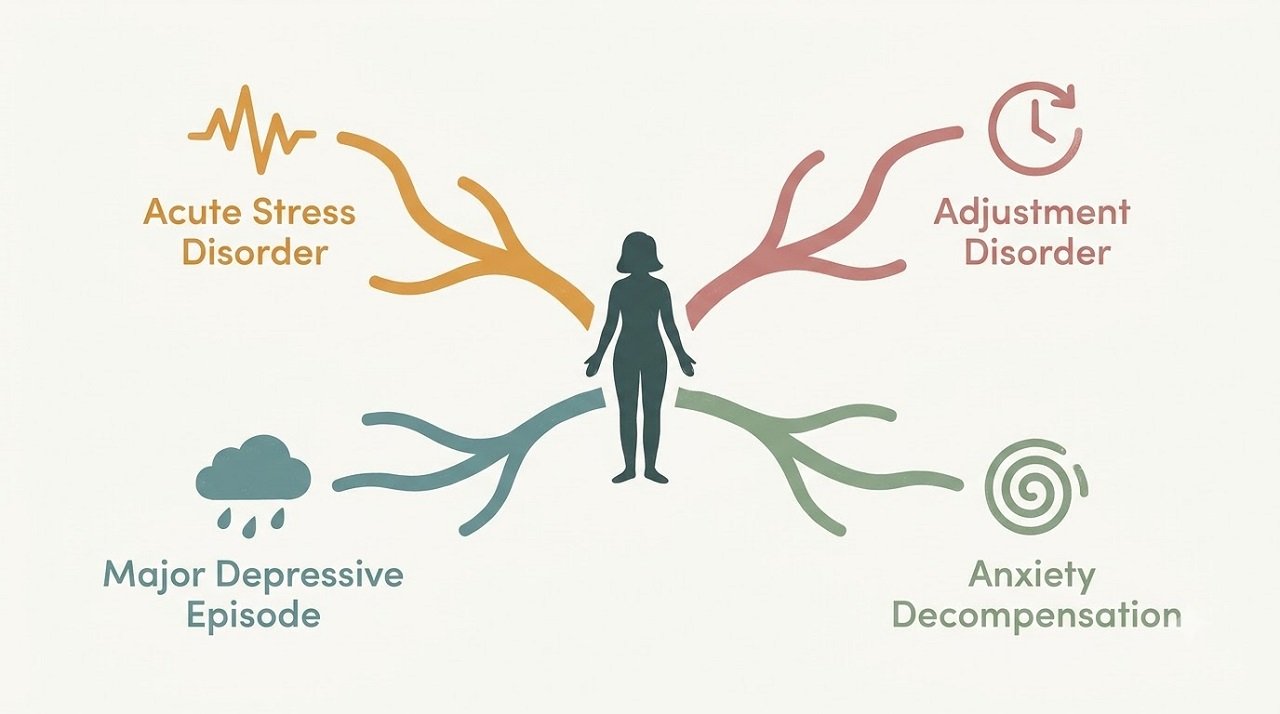
Clinically, what people are describing when they use this term maps onto one or more of the following formal diagnoses, depending on the presentation:
Acute Stress Disorder (DSM-5 code 308.3): A cluster of symptoms — re-experiencing, avoidance, dissociation, hyperarousal — occurring three days to one month after a traumatic event. According to ScienceDirect’s clinical overview, acute stress disorder was added to DSM-4 in 1994 and continued in DSM-5. If symptoms persist beyond one month, the diagnosis transitions to PTSD.
Adjustment Disorder (DSM-5 code 309.x): Also called stress response syndrome, adjustment disorder is characterized by emotional or behavioral symptoms developing within three months of an identifiable stressor, with the response exceeding what would typically be expected. According to Cleveland Clinic, adjustment disorder is the closest formal diagnosis to what most people mean by a nervous breakdown — a reaction to life stress that goes beyond normal coping and impairs functioning.
Major Depressive Episode with functional collapse: Some people reaching breaking point are experiencing a full major depressive episode in which the severity has progressed to the point where daily functioning is no longer possible. This is distinct from chronic depression — it represents an acute, severe deterioration.
Panic disorder or severe anxiety with acute decompensation: When anxiety has been building for weeks or months without adequate intervention, the nervous system can reach a point of acute decompensation — a sudden loss of the compensatory mechanisms that were keeping the person functional.
Understanding which of these is actually happening matters enormously, because the recovery path for each is different. A colloquial label is useful for describing the experience. A clinical assessment is necessary for addressing it.
Why Women Are Disproportionately Vulnerable
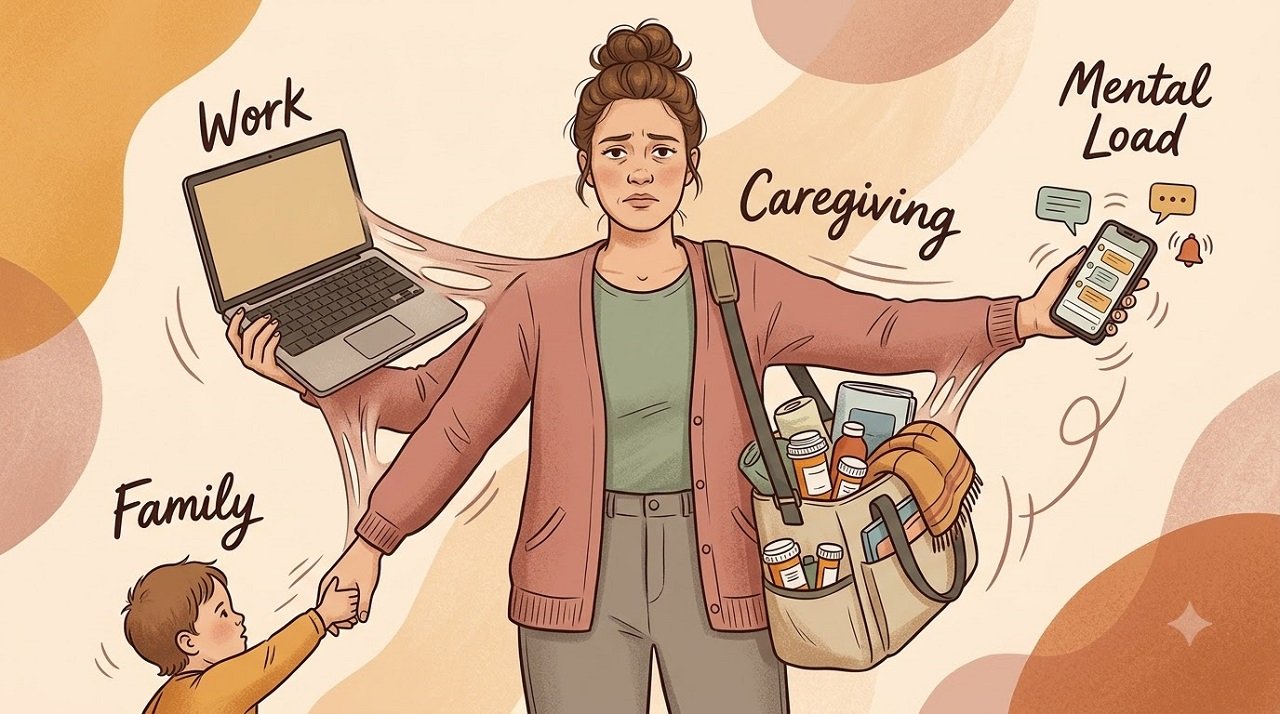
Before examining the signs, it’s important to understand the landscape. Women don’t simply experience nervous breakdowns at higher rates by coincidence. The disparity is structural, biological, and social simultaneously.
According to a 2025 review published in European Psychiatry by Thibaut, women are twice as likely as men to suffer from depression, generalized anxiety disorder, and PTSD — and the reasons are multifactorial. The review identifies societal expectations, gender stereotypes, work-life imbalance, and structural inequalities as drivers alongside biological factors.
According to the American Psychiatric Association’s Mental Health Facts for Women, each year, one in five women in the United States experiences a mental health problem such as depression, PTSD, or an anxiety disorder. According to NIMH data cited by mhstats.org (2026), 24.5% of adult women had an anxiety disorder in the past year — representing approximately 31.2 million women.
Women working full-time are almost twice as likely to face mental health problems as men, according to 2024 data from South Denver Therapy’s review of epidemiological statistics. Women also accounted for 71% of all mental health-related workplace absences in early 2024.
The reasons are not simply biological. Research consistently identifies the invisible mental load — the cognitive and emotional labour of managing households, relationships, and caregiving responsibilities that continues alongside formal employment — as a significant structural risk factor. Women are more likely to live in poverty, more likely to take time off for caregiving, more likely to work in lower-paying industries, and more likely to carry the emotional management of their family system. This is the context in which nervous breakdowns in women most commonly occur: not a sudden dramatic event, but the accumulated weight of sustained demands that have finally exceeded the system’s capacity to hold them.
The Hormone Factor: Why Timing Matters
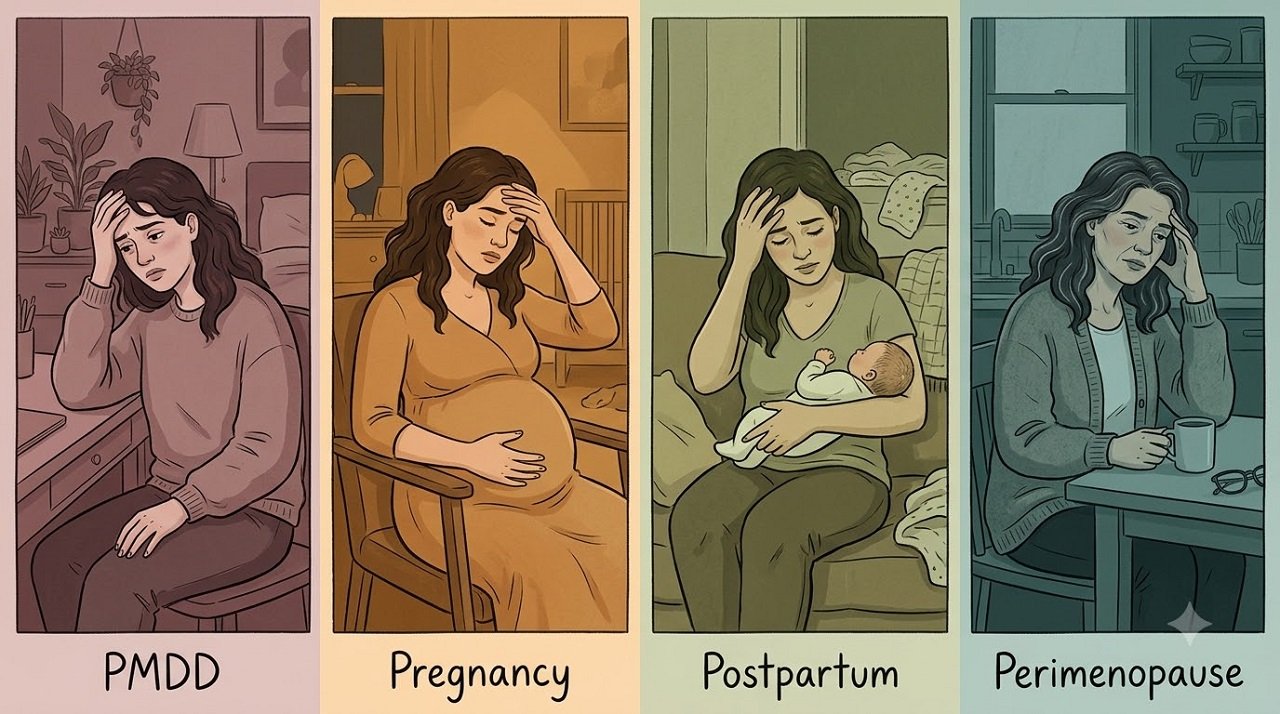
This is the dimension of nervous breakdowns in women that most content on this keyword omits entirely — and it is essential for understanding why certain life stages represent specific vulnerability windows.
Premenstrual Dysphoric Disorder (PMDD) and the menstrual cycle: Women with PMDD have a clinically documented exaggerated response to normal hormonal fluctuations across the menstrual cycle. Research cited by Mission Connection Healthcare notes that PMDD involves an abnormal sensitivity to the hormonal shifts of the luteal phase (the week or two before menstruation), producing mood instability, anxiety, and depressive symptoms intense enough to mimic major depressive disorder in some cases. For women already under sustained stress, this monthly hormonal disruption can repeatedly push the nervous system past its regulatory capacity.
Pregnancy and postpartum: According to a 2025 editorial published in Frontiers in Psychiatry by Reisel and colleagues, postpartum depression affects up to 17% of women, and severe mental illness carries approximately a 24% chance of major relapse during pregnancy, often linked to medication discontinuation. The early postpartum period — marked by sleep deprivation, hormonal upheaval, identity shifts, and social isolation — represents one of the highest-risk windows for acute mental health crisis in women.
Perimenopause: This is perhaps the most underrecognised trigger. According to a 2024 study published in the British Journal of Psychiatry Open by Reisel, Crockett, Glynne, Kamal, and Newson involving 978 women, the five most prevalent symptoms during perimenopause and menopause were: feeling tired or lacking in energy (96%), memory problems (93%), difficulty concentrating (91%), irritability (90%), and feeling tense or nervous (90%). The same study noted that these psychological symptoms are frequently unrecognised as hormone-related, leading to misdiagnosis with anxiety or depression and prescription of antidepressants rather than hormone replacement therapy.
According to Harvard Medical School’s HMS Magazine, prevalence estimates for perimenopausal depression alone are as high as 40%, with approximately two million US women beginning perimenopause each year. Yet the mood and cognitive symptoms of perimenopause are so frequently attributed to stress or life circumstances that many women are never told their nervous system is operating in a period of profound hormonal instability — one that creates a specific and measurable vulnerability to mental health crisis.
Signs of a Nervous Breakdown in Women: What to Actually Look For
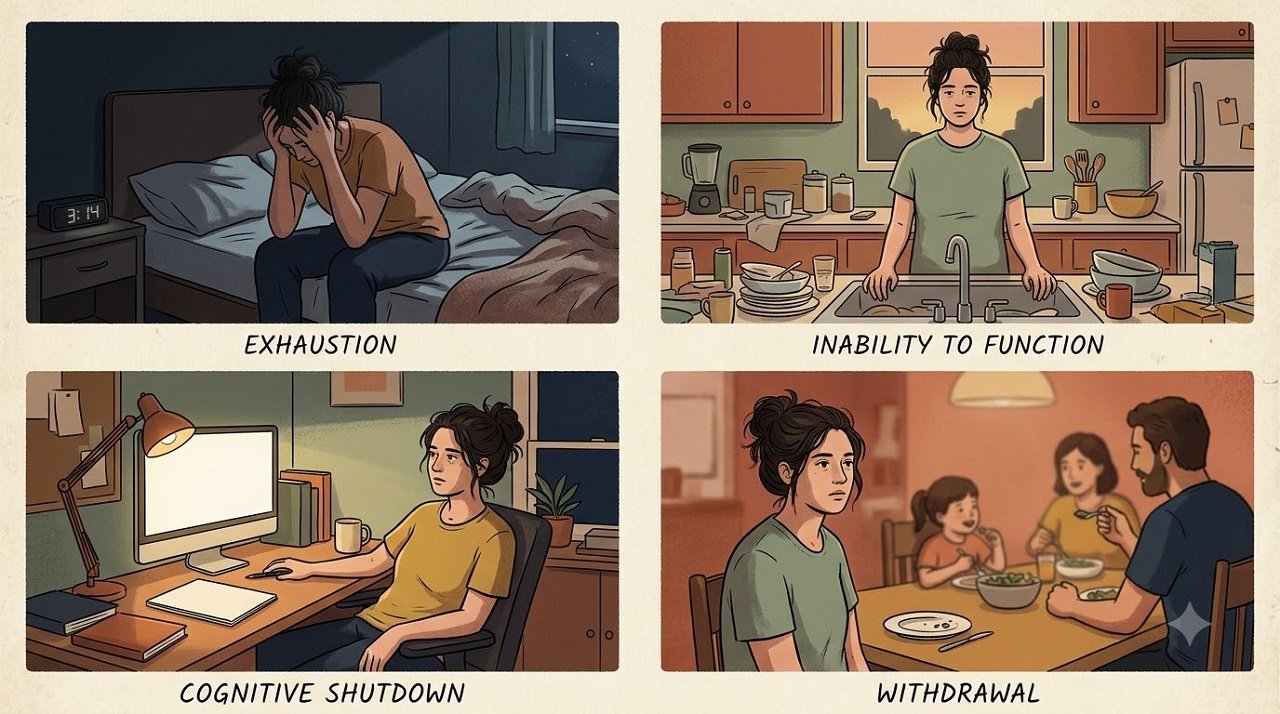
Because “nervous breakdown” covers several clinical presentations, the signs below span the full range of what women experience across those presentations. They are organised by domain rather than by diagnosis, because in the lived experience, symptoms don’t arrive in neatly labelled categories.
Emotional Signs:
You feel overwhelmed in a way that is qualitatively different from ordinary stress — as if the floor of your coping capacity has given way rather than just feeling stretched. Crying unexpectedly, often, or without being able to stop. Swinging between emotional extremes — intense anxiety or panic in one moment, complete emotional numbness in the next. A pervasive sense of dread with no specific object, or a constant state of low-grade panic. Anger or irritability that feels uncharacteristic and disproportionate — directed at people you love over things that wouldn’t normally register. Feeling like you are a burden to the people around you, or that they would be better off without you managing things.
Cognitive Signs:
Difficulty concentrating on even simple tasks that were previously automatic. A sense that your thinking has slowed, fragmented, or become unreliable — what is sometimes described as “brain fog” but with a quality of genuine cognitive impairment rather than tiredness. Difficulty making decisions — even small, everyday ones feel paralysing. Intrusive thoughts that arrive without invitation and are difficult to dismiss. Forgetting appointments, commitments, or conversations you would normally retain easily.
Physical Signs:
Profound exhaustion that sleep does not repair. Physical symptoms with no clear organic cause — headaches, chest tightness, gastrointestinal disturbance, muscle aches, or a persistent sensation of physical unease. According to Mission Connection Healthcare’s clinical coverage of mental breakdowns in women, over 50% of women undergoing mental health crises report disrupted sleep patterns. Changes in appetite — eating significantly less, more, or with a complete absence of genuine hunger or satisfaction. Uncontrollable episodes of shaking, breathlessness, or physical symptoms that resemble — and may be — panic attacks.
Behavioural Signs:
Withdrawal from relationships and social contact — not as a preference but as an inability to manage the additional demand of being around other people. Neglecting responsibilities that you have previously managed reliably: work, household tasks, personal hygiene, commitments to others. Increased reliance on alcohol, food, or other substances as a way of blunting the internal experience. An inability to complete a normal day — not a difficult day, but an ordinary one — without reaching a point of complete inability to continue.
Signs Specific to the Context of Women’s Lives:
Feeling as though you have been holding everything together for everyone else for so long that there is nothing left for yourself — and that acknowledging this feels like failure. A growing resentment toward the people whose needs you have been managing, accompanied by guilt about the resentment. The sense that the role you occupy — as mother, partner, caregiver, employee — has consumed the person you are underneath it. An inability to ask for help that goes beyond preference: the help-seeking itself requires resources you no longer have.
The Breakdown Nobody Sees Coming: The High-Functioning Path
Many women who experience nervous breakdowns were, in the weeks or months preceding it, the person everyone else would have described as the most capable person in the room. They were managing multiple demands, meeting all their obligations, appearing composed under pressure.
This is not coincidental. The same mechanisms described in our post on how to tell if you have high-functioning depression — the productivity-as-coping pattern, the masking of internal distress, the sense of identity tied to capability — are also present in women approaching a breakdown. The breakdown doesn’t happen because they stopped coping. It happens because the coping systems that were running at full capacity for months or years have finally depleted.
The warning signs in the weeks before a crisis often include: increasing difficulty sleeping despite exhaustion, a noticeable reduction in the ability to tolerate small frustrations, withdrawal from social activities that were previously maintained, and a growing internal monologue of dread or hopelessness that the person is working hard to not show externally.
How a Nervous Breakdown Differs From Burnout and Depression
These three experiences share significant symptom overlap and are frequently confused. The distinctions below reflect clinical literature rather than rigid categories, because in practice they often coexist.
Burnout is context-specific and occupational by clinical definition (ICD-11 QD85). Its defining features — cynicism and reduced sense of efficacy — are tethered to the work context. Burnout can be a pathway toward a nervous breakdown if the occupational depletion is sustained long enough, but it is not the same state. As discussed in our post on what is emotional exhaustion vs burnout, burnout improves when the occupational stressor is removed.
Depression — specifically major depressive disorder or persistent depressive disorder — is a clinical condition with its own diagnostic criteria and treatment protocol. A nervous breakdown may include a depressive episode, may trigger one, or may be the presentation of an untreated one that has reached functional collapse. They are not the same thing, but they can overlap.
A nervous breakdown is specifically characterised by acute functional collapse — the person stops being able to manage the basic demands of their daily life. It has a more sudden quality than depression (which typically builds gradually) and a more total quality than burnout (which is context-specific). It represents a system that has not merely been strained, but has given way.
What to Do If You Recognise These Signs

If the signs are present but function is still intact: This is the window in which intervention is most effective and recovery is fastest. Speak with a GP or mental health professional. Reduce nonessential demands immediately. Communicate to the people closest to you that you are not managing — this is not weakness; it is necessary information for the people who can help.
If function has already collapsed: This is a mental health crisis. Contact a GP, a mental health crisis line, or go to an emergency department if you or someone you know is in immediate danger. This is not something to wait out or manage alone.
Specific to the hormonal dimension: If the timing of your symptoms aligns with your menstrual cycle, perimenopause, the postpartum period, or another hormonal transition, bring this specifically to your clinician’s attention. As the research from Reisel et al. (2024) demonstrates, hormonal contributors are consistently underrecognised and frequently misattributed to stress or life circumstances. A clinician who is not explicitly asked about the hormonal dimension may not assess it.
Trauma responses: For women whose breakdown is connected to a history of trauma or prolonged stress, the trauma responses post on this site provides context for understanding the nervous system patterns that may be active in the background.
Frequently Asked Questions
What is a nervous breakdown, exactly?
A nervous breakdown is not a formal medical or psychiatric diagnosis. It is a colloquial term describing a point at which psychological resources have been depleted to the degree that a person can no longer function normally in daily life. Clinically, what people describe as a nervous breakdown typically corresponds to acute stress disorder, adjustment disorder, a severe major depressive episode, or acute anxiety decompensation — depending on the specific presentation and precipitating factors.
Are the signs of a nervous breakdown different in women than in men?
The core symptom profile — exhaustion, inability to function, emotional dysregulation, social withdrawal, physical symptoms — is similar across sexes. What differs in women are the specific precipitating factors: hormonal transitions (perimenopause, postpartum, PMDD), the disproportionate weight of caregiving and invisible mental load, and the higher baseline rates of depression, anxiety, and PTSD that mean women are operating with less systemic reserve before they reach crisis. According to a 2025 review published in European Psychiatry, women are twice as likely as men to experience depression, generalised anxiety disorder, and PTSD.
How long does a nervous breakdown last?
Duration varies widely depending on the underlying clinical condition, the severity of the breakdown, and whether and when appropriate support is sought. Adjustment disorder, one of the closest clinical equivalents, is defined as resolving within six months when the stressor is removed. Acute stress disorder resolves within one month by definition. A breakdown underpinned by a major depressive episode or untreated anxiety disorder requires treatment and follows the course of those conditions. Early intervention substantially shortens recovery time.
Can a nervous breakdown happen without an obvious cause or triggering event?
Yes. While acute stress disorder and adjustment disorder are triggered by identifiable stressors, a breakdown underpinned by accumulated chronic stress — the kind that builds over months or years of sustained demand — may not have a single identifiable trigger. It may feel to the person as though nothing “big” happened. The depletion was gradual; the collapse just became apparent suddenly.
Is it possible to prevent a nervous breakdown?
Early recognition of the warning signs — sustained sleep disruption, progressive difficulty tolerating ordinary stress, intrusive thoughts, withdrawal from relationships — and intervention before functional collapse is the most reliable prevention pathway. For women in high-risk hormonal windows (perimenopause, postpartum), proactive engagement with mental health support reduces risk. The research is consistent that untreated stress accumulation and unaddressed underlying conditions are the primary pathways toward crisis.
Sources & References
- Thibaut F. “Recent progress in women’s mental health research and future priorities.” European Psychiatry, 2025. doi:10.1192/j.eurpsy.2025.146. pmc.ncbi.nlm.nih.gov/articles/PMC12437347
- American Psychiatric Association. “Mental Health Facts for Women.” APA. psychiatry.org/getmedia/aa325a61/Mental-Health-Facts-for-Women.pdf
- National Institute of Mental Health (NIMH). “Any Anxiety Disorder: Women.” U.S. Department of Health and Human Services. nimh.nih.gov/health/statistics/any-anxiety-disorder
- American Psychiatric Association. Diagnostic and Statistical Manual of Mental Disorders, 5th Edition, Text Revision (DSM-5-TR). APA Publishing, 2022. psychiatry.org
- Cleveland Clinic. “Adjustment Disorders: What They Are, Symptoms and Treatment.” Reviewed 2024. my.clevelandclinic.org/health/diseases/21760-adjustment-disorder
- Reisel D, Crockett C, Glynne S, Kamal A, Newson L. “Prevalence of Cognitive and Mood-Related Symptoms in a Large Cohort of Perimenopausal and Menopausal Women.” BJPsych Open, 2024. doi:10.1192/bjo.2024.497. ncbi.nlm.nih.gov/pmc/articles/PMC11738833
- Harvard Medical School HMS Magazine. “The Mental Health Aspects of Menopause.” magazine.hms.harvard.edu/articles/mental-health-aspects-menopause
- Frontiers in Psychiatry Editorial. “Women with neuropsychiatric disorders: understanding and personalising needs.” 2025. doi:10.3389/fpsyt.2025.1719997. ncbi.nlm.nih.gov/pmc/articles/PMC12704316
- ScienceDirect Topics. “Acute Stress Disorder — clinical overview.” sciencedirect.com/topics/neuroscience/acute-stress-disorder
- Mission Connection Healthcare. “Triggers and Signs of a Mental Breakdown in Women.” missionconnectionhealthcare.com/mental-health/nervous-breakdown/women
- Sleep Disturbance and Perimenopause Narrative Review. MDPI Healthcare, 2025. doi:10.3390/healthcare. ncbi.nlm.nih.gov/pmc/articles/PMC11901009
- mhstats.org. “Anxiety in Women 2026.” Based on NIMH 2024 data. mhstats.org/women/anxiety
This article is for informational and educational purposes only. It does not constitute medical advice and should not be used to self-diagnose or replace consultation with a qualified mental health or medical professional. If you are in crisis or experiencing thoughts of self-harm, please contact a mental health crisis helpline or your local emergency services immediately.

Informational purposes only — not a substitute for medical advice
Disclaimer: This article is for informational and educational purposes only. It does not constitute medical advice, diagnosis, or treatment. If you are experiencing persistent physical or emotional symptoms that are significantly affecting your daily life, please consult a qualified healthcare professional.
Both feel like running on empty. Both drain your ability to show up for work, relationships, and yourself. And both are increasingly common in a world where the boundary between productive effort and chronic depletion has become nearly invisible.
But emotional exhaustion and burnout are not the same thing — and that difference matters far more than most articles on this topic acknowledge. Here’s why: the recovery strategies for each are meaningfully different. Approaching burnout with emotional exhaustion strategies, or vice versa, is one of the most common reasons people try to feel better and don’t.
This post draws on the WHO’s official ICD-11 definition of burnout, the Maslach Burnout Inventory — the most widely validated clinical measurement tool for burnout — and current research on emotional exhaustion to explain exactly what each is, how they relate to each other, and how to tell which one you’re actually dealing with.
The Definition Problem Most Articles Skip Entirely
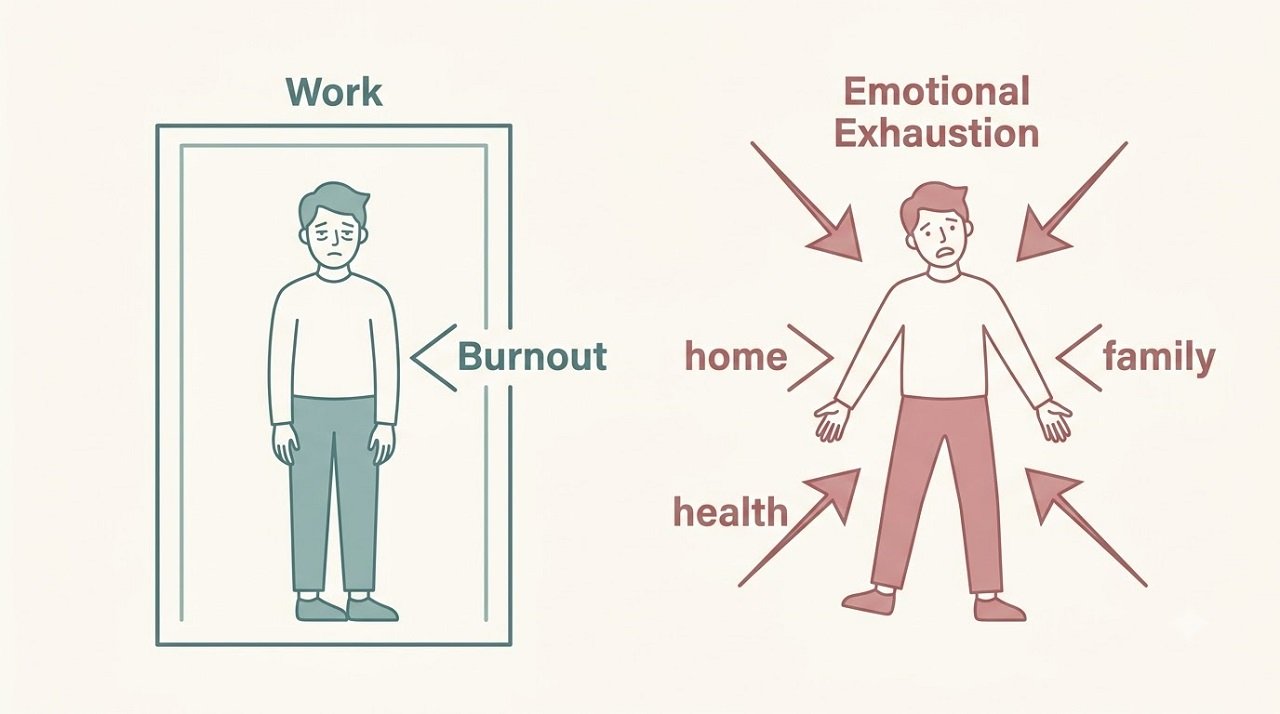
Here is the fact that changes the entire conversation: according to the World Health Organization’s International Classification of Diseases, 11th Revision (ICD-11), burnout is classified under code QD85 as an occupational phenomenon — not a medical condition. The official WHO definition, which came into effect in January 2022, states that burnout is specifically applicable to the workplace and should not be used to describe experiences in other areas of life.
This is not a technicality. It is the central distinction that makes burnout and emotional exhaustion different things.
Burnout — as formally defined by the WHO — can only occur in an occupational context. It arises specifically from chronic workplace stress that has not been successfully managed. It cannot, by definition, be caused by your marriage, your caregiving responsibilities for an aging parent, your chronic illness, or your social isolation. If the source of your depletion is not primarily occupational, what you may be experiencing is emotional exhaustion — which is a broader, non-context-specific state.
According to the WHO’s ICD-11, burnout is a syndrome resulting from chronic workplace stress that has not been successfully managed, characterised by three dimensions: feelings of energy depletion or exhaustion, increased mental distance from one’s job or feelings of negativism or cynicism related to one’s job, and a sense of ineffectiveness and lack of accomplishment (WHO, 2022).
Most people — and many general articles on this topic — use “burnout” as a catch-all for feeling utterly depleted in any domain of life. That usage is understandable. But it blurs a clinically meaningful distinction, and it leads to recovery approaches that don’t address what’s actually driving the problem.
What Is Emotional Exhaustion?
Emotional exhaustion is a state of profound physical, mental, and emotional depletion resulting from sustained, high-demand experience — in any area of life, not just work.
According to ScienceDirect’s clinical overview of emotional exhaustion, it is defined as fatigue or progressive wearing out — physical and mental — resulting from excessive emotional stresses, particularly influenced by work conditions and personal emotional demands. Crucially, unlike burnout, emotional exhaustion is not restricted to the occupational context. It can develop from caregiving responsibilities, relationship stress, chronic illness, grief, financial pressure, or any sustained situation that makes demands on your emotional and physical reserves without adequate recovery.
A 2024 study published in Medical News Today notes that self-care behaviours may make people less prone to burnout and emotional exhaustion, and that while most research links emotional exhaustion to the workplace, it is becoming a growing issue in academic settings including university students.
Emotional exhaustion is also the first and most prominent symptom dimension of burnout itself. This is where the relationship between the two becomes important to understand, and where most competing articles on this keyword get tangled.
How Emotional Exhaustion and Burnout Relate: The Three-Dimensional Model
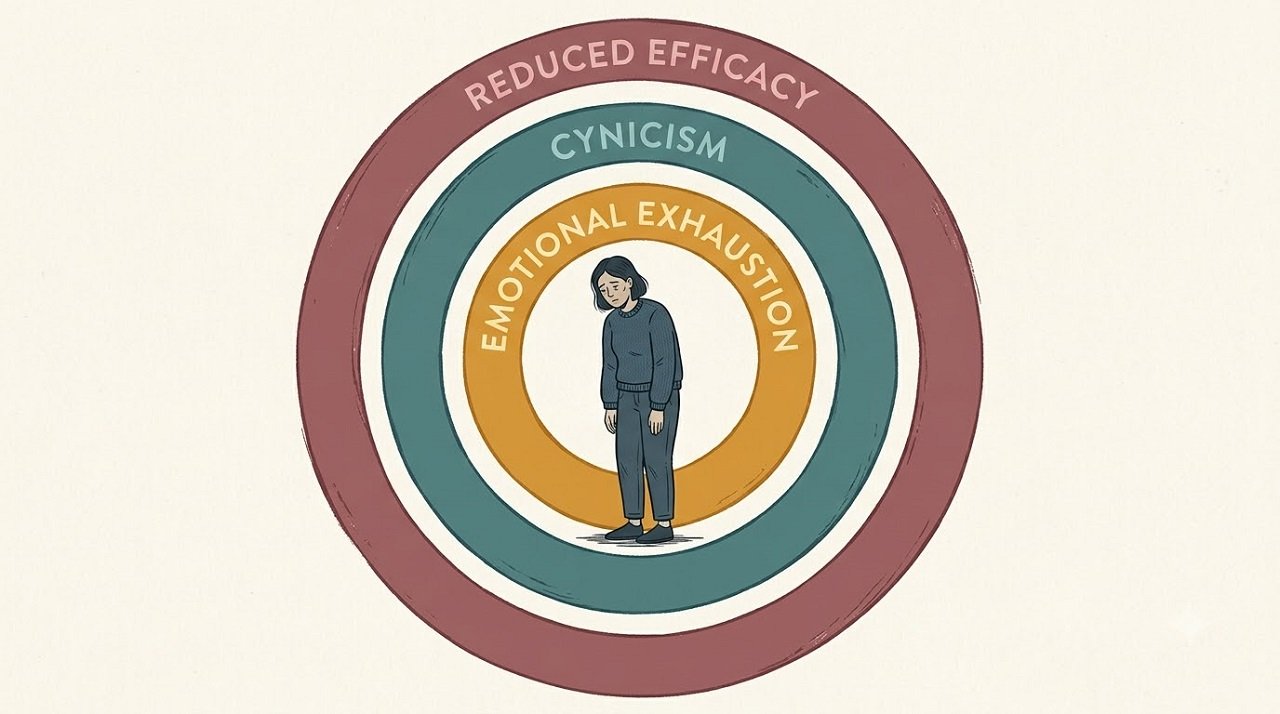
The most widely used clinical framework for measuring and understanding burnout is the Maslach Burnout Inventory (MBI), developed by social psychologist Christina Maslach and published in 1981. The MBI shaped the ICD-11 triadic definition of burnout and remains the gold standard measurement instrument across burnout research globally.
According to Maslach and Jackson’s foundational definition, burnout is a syndrome characterised by emotional exhaustion — feeling emotionally overextended and drained by work — alongside depersonalisation, a negative and excessively detached response toward the people one serves, and lack of personal accomplishment, defined as feelings of incompetence and lack of achievement at work (Maslach & Jackson, 1981).
According to the MBI framework, burnout is not a single symptom — it is a three-dimensional syndrome. And emotional exhaustion is not synonymous with burnout. It is the first and central dimension of burnout, from which the other two dimensions typically develop.
Dimension 1 — Emotional exhaustion: Feeling overextended, drained, and depleted by your work. This is burnout’s core. Research published in Burnout: A Review of Theory and Measurement (PMC, 2022) notes that exhaustion is considered the hallmark of burnout — the feature most consistently present and most strongly associated with impaired functioning. It is both the entry point into burnout and the feature that most closely resembles general emotional exhaustion outside the occupational context.
Dimension 2 — Depersonalisation (cynicism): A distancing response to the depletion. An increasingly detached, negative, or cynical attitude toward your work, your colleagues, or the people you serve. This is not a personality change — it is the nervous system creating emotional distance to manage a resource it can no longer sustain. Research published in PMC notes that burnout syndrome — comprising emotional exhaustion, physical fatigue, and cognitive weariness — is caused by long-term uncontrolled work stressors, and that persistent burnout is associated with increased risk of several medical conditions including mild cognitive impairment, diabetes, and cardiovascular disease (Neuropsychiatric Disease and Treatment, 2022).
Dimension 3 — Reduced personal accomplishment: A growing sense of inefficacy — the feeling that your efforts are not producing meaningful results, that you are less capable than you once were, and that the work no longer has the meaning it once held.
The clinical picture: Emotional exhaustion alone — even severe emotional exhaustion — is not the same as full burnout. Full burnout, in the Maslach framework, requires all three dimensions to be present at meaningful levels. A person who is emotionally depleted but still feels engaged with their work and effective in it is experiencing emotional exhaustion, not necessarily burnout. A person who has all three dimensions — depleted, cynical, and ineffective — is experiencing burnout as clinically defined.
A Practical Distinction: What Causes Each
The sources of emotional exhaustion are broad and life-encompassing. They include occupational stress, but also:
- Primary caregiving for a child, parent, or ill partner
- Chronic illness or pain that demands sustained coping effort
- Prolonged financial stress or housing insecurity
- Relationship conflict, grief, or social isolation
- Sustained high-emotional-demand roles outside work — volunteering, community leadership, activism
- Academic overload, particularly in high-stakes programmes
Burnout, by the WHO’s ICD-11 definition, is specifically and exclusively occupational. The WHO’s ICD-11 is explicit on this point: burnout specifically refers to phenomena in the professional context and should not be applied to describe experiences in other areas of life (WHO, 2022).
This distinction has a practical implication: if you are a stay-at-home caregiver feeling profoundly depleted, emotionally numb, and as though your efforts are invisible and ineffective — that is not burnout in the clinical sense. It may be emotional exhaustion compounded by the isolation and invisibility of caregiving roles. It is real, it is significant, and it warrants the same attention as occupational burnout. But the recovery path is different because the source is different.
Signs of Emotional Exhaustion
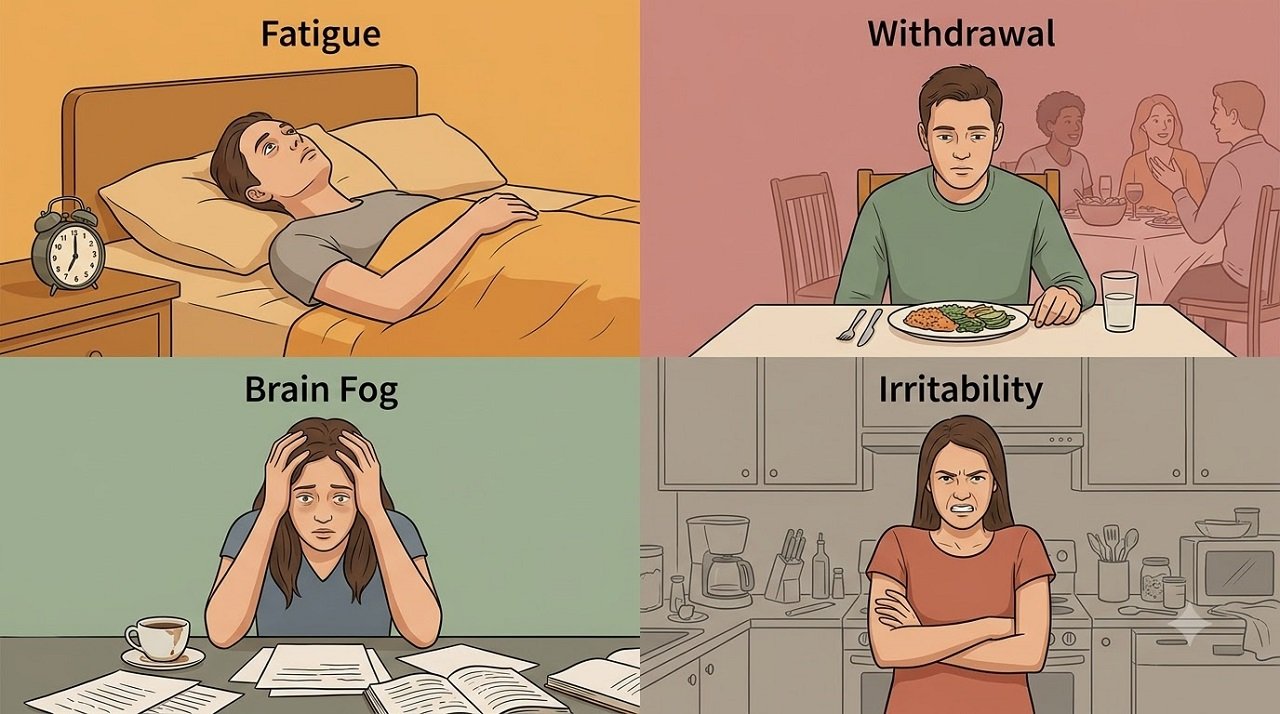
Emotional exhaustion has both physical and psychological features. Unlike burnout, which tends to develop gradually through the three dimensions described above, emotional exhaustion can develop in any demanding context and often presents as an undifferentiated collapse of capacity.
Physical signs:
- Persistent fatigue that doesn’t improve with rest or sleep
- Frequent illness, as chronic stress suppresses immune function
- Headaches, muscle tension, or unexplained physical pain
- Changes in appetite — eating significantly more or less than usual
- Sleep disruption — difficulty falling asleep, staying asleep, or waking unrefreshed
Some of these physical symptoms — particularly the fatigue, muscle tension, and sleep disruption — overlap closely with the physical effects of anxiety. The underlying physiological mechanism is similar: sustained stress hormone activation wearing down the body’s systems. For a detailed explanation of how that process works physically, see our post on what does an anxiety attack feel like physically.
Emotional and cognitive signs:
- A flat, detached quality to daily experience — going through the motions without genuine engagement
- Difficulty feeling positive emotions — happiness, excitement, or anticipation feel muted or absent
- Increased irritability or emotional reactivity over minor triggers
- Difficulty concentrating, making decisions, or retaining information
- Feeling trapped, helpless, or as though nothing you do makes a difference
- A persistent sense of dread about demands that were previously manageable
Relational signs:
- Withdrawing from people you care about because social interaction requires energy you don’t have
- Difficulty being present in conversations — mind wandering, responses slow
- Resentment toward the people or roles making demands on you, even when the resentment feels disproportionate
According to the APA’s 2024 Work in America study, emotional exhaustion affected 25% of workers in the preceding month, with 44% reporting feeling emotionally drained and 51% feeling used up at the end of each workday (APA, 2024).
Signs of Burnout
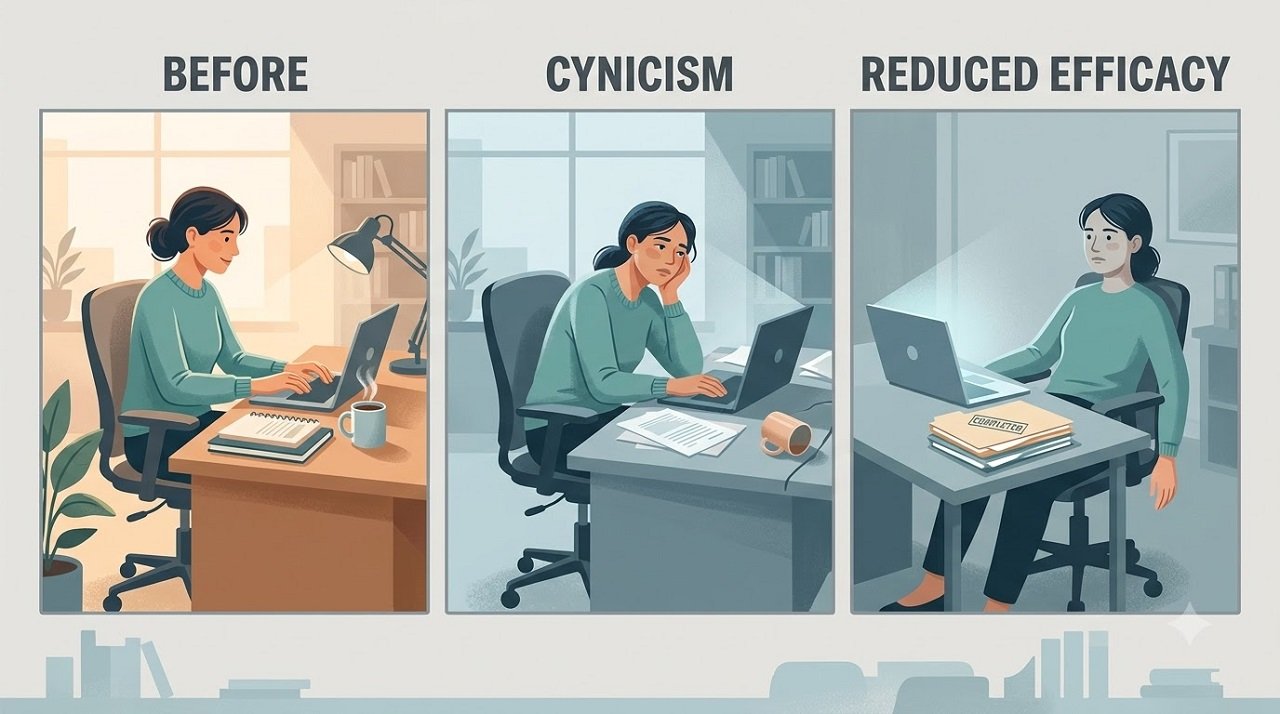
Burnout shares emotional exhaustion’s features but adds the two additional MBI dimensions. The distinguishing signs are specifically occupational in context:
Energy depletion tied to work: The exhaustion is specifically worse in work-related contexts. The prospect of work triggers the depletion. Weekends or time away from work produce some partial recovery, but it doesn’t last — return to the work environment reinstates the depletion relatively quickly.
Cynicism or emotional distance from work: You have developed a detached, negative, or going-through-the-motions relationship with your work that is markedly different from how you once felt about it. Colleagues, clients, or the work itself provoke negative reactions that feel automatic. This isn’t general cynicism — it is specifically tethered to the occupational context.
Reduced sense of efficacy: You feel less competent, less effective, and less meaningful in your role than you once did. Effort no longer translates into felt accomplishment. Achievements that should feel satisfying don’t register. This is not imposter syndrome — it is a genuine reduction in the felt sense of professional purpose and competence.
According to the APA’s 2024 Work in America Survey, 76% of US workers report experiencing at least some level of burnout, with 53% reporting moderate to severe levels, and 77% reporting work-related stress in the past month (APA, 2024).
Aflac’s 2025 WorkForces Report found 72% of US workers reporting moderate-to-high stress levels — the highest recorded in seven years — while Eagle Hill Consulting’s November 2025 survey found 55% of the US workforce currently experiencing burnout, a six-year high.
The Key Diagnostic Question: Which One Are You Dealing With?
This is the question that determines your recovery path.
Ask yourself: If the primary stressor in your life were removed tomorrow, would the depletion lift?
If your depletion is occupational and you left your job — genuinely left, with no immediate pressure to replace it — would you feel meaningfully better within weeks or months? If yes, what you are dealing with is primarily burnout, driven by unmanaged occupational stress. The source is external and specific. Change the source or your relationship to it, and recovery is possible.
If the depletion would persist regardless of what changes in your external circumstances — if it feels less like a reaction to a specific context and more like a systemic collapse of your emotional and physical resources — what you may be dealing with is deeper emotional exhaustion, potentially compounded by depression or other underlying conditions.
A second question: Is the cynicism and detachment specifically occupational, or has it spread across your whole life?
Burnout’s cynicism is characteristically work-specific, at least in the early and middle stages. You go home and feel the detachment lift somewhat — you can be present with your family, enjoy a meal, feel something. If the detachment is pervasive — across work, relationships, and personal life — emotional exhaustion has likely progressed significantly, and the possibility of depression alongside it warrants attention.
Burnout vs Emotional Exhaustion vs Depression: The Overlap Problem
This is where clinical assessment becomes genuinely important, because these three conditions share features that are difficult to disentangle from the inside.
Research published in Burnout: A Comprehensive Review (Zeitschrift für Arbeitswissenschaft, 2024) notes that existing measurement instruments for burnout often yield scores that overlap with other conditions such as fatigue, anxiety, and depression, making self-assessment inherently limited.
Research notes that although burnout is a distinct phenomenon, there is documented overlap with depressive symptoms, and individuals with severe clinical burnout may develop transient manifestations of depression or subclinical depression (Neuropsychiatric Disease and Treatment, 2022).
The practical guidance from the clinical literature is consistent: if rest and reduction of stressors produce meaningful improvement within a few weeks, depression is less likely to be the primary driver. If the depletion, flatness, and loss of enjoyment persist even when external demands ease, a clinical assessment for depression alongside burnout or emotional exhaustion is appropriate. As discussed in the high-functioning depression post on this site, persistent depressive disorder in particular can coexist with high functioning and is frequently missed in people whose productivity remains intact.
Recovery: Why the Distinction Matters
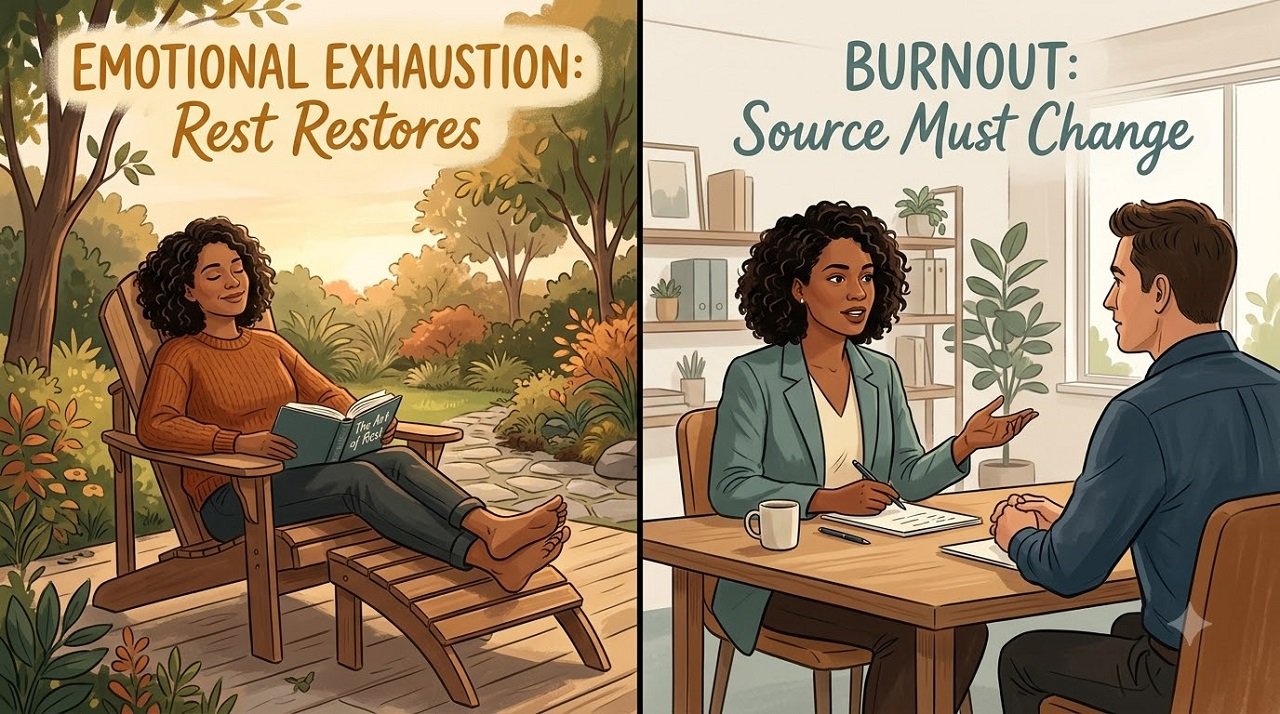
Recovering from emotional exhaustion requires reducing the overall demand load — across all life domains, not just work — and restoring the basic physiological and psychological conditions for recovery: sleep, nutrition, physical movement, and genuine rest. Emotional exhaustion responds to rest because the nervous system has the capacity to recover once demands are sufficiently reduced. Boundary-setting, reducing emotional labour, and building recovery time into daily routines are the primary tools.
According to Medical News Today (reviewed January 2025), recovery from emotional exhaustion includes reducing or removing nonessential demands where possible, consistent sleep and nourishing meals, light physical movement, setting clear boundaries, and scheduling genuine downtime rather than passive scrolling or numbing. In cases where emotional exhaustion has developed alongside anxiety or depression, professional support including therapy or medication may be required (Medical News Today, 2025).
Recovering from burnout requires addressing the occupational source, not just restoring the individual. Research published in Burnout Research (Salminen et al., 2017) and clinical guidance from HelpGuide (reviewed May 2026) both highlight that individual-level interventions — mindfulness, exercise, sleep — are insufficient for burnout unless combined with meaningful changes to the work environment itself. A research review cited by HelpGuide found that mindfulness-based interventions produced measurable but modest improvements in burnout, and that structural workplace changes — workload reduction, increased autonomy, improved management quality — produced larger and more sustained effects.
According to Gallup’s 2024 State of the Global Workplace report, managers account for 70% of the variance in team engagement, yet only 44% of managers globally have received any formal management training — a deficit the report directly correlates with burnout and disengagement.
This means that if your burnout is primarily driven by a manager who is absent, volatile, or creates an environment of chronic pressure, self-care strategies will provide partial and temporary relief at best. The structural source needs to be addressed — through conversation with the manager, escalation, role change, or in some cases, leaving the role.
Structured psychological therapy — including CBT, Acceptance and Commitment Therapy (ACT), and psychodynamic psychotherapy — has an evidence base for both conditions. A study cited by Baltimore Therapy Group found that structured psychological interventions produce measurable improvements in burnout symptoms and emotional exhaustion in healthcare professionals. Therapy is particularly important when either condition has progressed to the point where self-care strategies are insufficient, or where depression, anxiety, or trauma responses are compounding the presentation.
Side-by-Side Summary
| Feature | Emotional Exhaustion | Burnout (ICD-11/WHO) |
|---|---|---|
| Formal classification | Not formally classified | ICD-11 code QD85 — occupational phenomenon |
| Context | Any life domain | Occupational only |
| Core experience | Profound depletion of emotional and physical resources | Energy depletion + cynicism + reduced efficacy |
| Relationship to work | May be unrelated to work | Specifically and primarily work-driven |
| Cynicism or detachment | May be general | Specifically occupational |
| Sense of efficacy | May be intact | Characteristically reduced |
| Responds to rest | Often yes, meaningfully | Partial — structural change usually also needed |
| Overlaps with depression | Yes | Yes — particularly in severe or prolonged cases |
| Primary recovery lever | Demand reduction, restoration, boundaries | Demand reduction + occupational source addressed |
Frequently Asked Questions
Can you have emotional exhaustion and burnout at the same time? Yes. Burnout’s first dimension is emotional exhaustion — so anyone with full burnout is also experiencing emotional exhaustion. But emotional exhaustion can exist without full burnout (without the cynicism and reduced efficacy dimensions), and it can be driven by non-occupational sources that burnout by definition does not include.
Does burnout ever go away on its own without treatment? Research on burnout longitudinal outcomes suggests that burnout can reduce when occupational conditions improve significantly — a change in manager, a reduction in workload, or a role change. But without addressing the structural source of the chronic stress, individual-level recovery strategies are unlikely to produce lasting improvement. Severe or prolonged burnout also carries a risk of progressing to clinical depression, which requires professional treatment.
How long does recovery from burnout or emotional exhaustion take? There is no reliable universal timeline. Research on burnout recovery (Salminen et al., 2017) found recovery processes unfolding over two years in some cases, depending on severity, the presence of comorbid depression, and whether structural changes to the work environment were made. Emotional exhaustion without the full burnout syndrome can respond more quickly to demand reduction — weeks to a few months — when the source is identified and reduced.
Can physical exercise help with burnout? Yes, with an important caveat. Exercise has a meaningful evidence base for improving mood, sleep, and stress resilience. But adding a demanding exercise routine to an already depleted system can add to rather than relieve the load. During active burnout or emotional exhaustion, gentle, restorative movement — walking, yoga, light stretching — is more consistently helpful than high-intensity training, which makes additional demands on an already stressed nervous system.
Is burnout the same as being stressed? No. Stress is a state of heightened activation — the nervous system is engaged and under pressure. Burnout is what happens when that pressure is sustained long enough that the system depletes. The physiologist and burnout researcher Christina Maslach described it this way: stress is characterised by overengagement, burnout by disengagement. Stressed people feel that they have too much to do; burned-out people feel they have nothing left to give.
Sources & References
- World Health Organization. “Burn-out an ‘Occupational Phenomenon’: International Classification of Diseases.” ICD-11, QD85. WHO, May 2019. who.int/news/item/28-05-2019-burn-out-an-occupational-phenomenon-international-classification-of-diseases
- Maslach C, Jackson SE. “The measurement of experienced burnout.” Journal of Occupational Behaviour, 2(2):99–113, 1981. doi:10.1002/job.4030020205.
- Ahola K, Toppinen-Tanner S, Seppänen J. “Interventions to alleviate burnout symptoms and to support return to work among employees with burnout: systematic review and meta-analysis.” Burnout Research, 4:1–11, 2017. doi:10.1016/j.burn.2017.02.001.
- Pelayo-Terán JM, et al. “ICD-11 Burnout for the psychiatrist: Meaning of the concept and prevalence of the condition.” European Psychiatry, 2024. doi:10.1192/j.eurpsy.2024.321. ncbi.nlm.nih.gov/pmc/articles/PMC11863005
- Salvagioni DAJ, et al. “Physical, psychological and occupational consequences of job burnout: A systematic review of prospective studies.” PLOS ONE, 2017. doi:10.1371/journal.pone.0185781. pmc.ncbi.nlm.nih.gov/articles/PMC5627926
- Bianchi R, Schonfeld IS, Laurent E. “Burnout: Moving beyond the status quo.” International Journal of Stress Management, 26(1):36–45, 2019. ncbi.nlm.nih.gov/pmc/articles/PMC10630726
- Lastovkova A, et al. “Burnout syndrome as an occupational disease in the European Union: an exploratory study.” Industrial Health, 56(2):103–111, 2018. pmc.ncbi.nlm.nih.gov/articles/PMC5889921
- American Psychological Association. “Work in America Survey 2024.” APA, 2024. apa.org/pubs/reports/work-in-america
- Gallup. “State of the Global Workplace Report 2025.” Gallup Press. gallup.com/workplace/349484/state-of-the-global-workplace.aspx
- Medical News Today. “Emotional exhaustion: Causes, symptoms, and recovery.” Reviewed January 2025. medicalnewstoday.com/articles/323441
- ScienceDirect Topics. “Emotional Exhaustion — clinical overview.” sciencedirect.com/topics/nursing-and-health-professions/emotional-exhaustion
- HelpGuide. “Burnout Prevention and Recovery.” Reviewed May 2026. helpguide.org/mental-health/stress/burnout-prevention-and-recovery
- Salminen S, Andreou E, Holma J, Pekkonen M, Mäkikangas A. “Narratives of burnout and recovery from an agency perspective: A two-year longitudinal study.” Burnout Research, 7:1–9, 2017. doi:10.1016/j.burn.2017.06.001.
This article is for informational and educational purposes only. It does not constitute medical advice and should not be used to self-diagnose or replace consultation with a qualified mental health or medical professional. If you are in crisis, please contact a mental health crisis helpline or your local emergency services immediately.

Chia Seed Pudding for Constipation Relief: How Much to Use and How to Make It Safely

How Much Protein to Eat on GLP-1 to Prevent Muscle Loss

Train Your Immune System: An Exclusive Masterclass Premiere with Dr. Ryan Lazarus

PEMF Webinar

The 4-7-8 Breathing Technique: Step-by-Step Guide and What the Research Actually Shows

HBOT ( Hyperbaric Oxygen Therapy ) Webinar
-
 Events1 month ago
PEMF Webinar
-
 Natural Sleep Remedies5 months ago
The 4-7-8 Breathing Technique: Step-by-Step Guide and What the Research Actually Shows
-
 Events1 month ago
HBOT ( Hyperbaric Oxygen Therapy ) Webinar
-
 Events5 months ago
The Anti-Cancer Body with Dr. Michael Karlfeldt
-

 Events5 months ago
Why You Can’t Trust Big Pharma
-

 Home Remedies5 months ago
Natural Home Remedies for Restless Legs at Night
-

 Events4 months ago
The Cancer Conversation Your Oncologist Cannot Have in 15 Minutes
-

 Events6 months ago
Beyond the Brain