
Home Remedies
Natural Home Remedies for Restless Legs at Night

The content on this website – including articles, event announcements, personal experiences, and recommendations – is for informational and educational purposes only and is not medical advice. Always consult a qualified healthcare professional before making any changes to your diet, exercise, supplements, sleep habits, or wellness routines, especially if you are pregnant, nursing, on medication, or have any medical condition.

Disclaimer: This article is for informational purposes only and is not a substitute for professional medical advice. RLS can be linked to underlying conditions and medication interactions that require proper diagnosis. Do not stop or change any prescribed medication without consulting your doctor.
It usually starts the same way. You’ve been in bed for twenty minutes, finally relaxed, and then — there it is. That deep, crawling, pulling sensation in your legs. Not quite pain, not quite an itch, but utterly impossible to ignore. The only thing that brings relief is moving, so you kick, stretch, walk to the kitchen and back, and start the whole miserable cycle over again.
If this is your nightly reality, you are dealing with Restless Legs Syndrome — also called Willis-Ekbom Disease — and you are far from alone. Estimates suggest between 7 and 10 percent of the population experiences RLS, making it one of the most underdiagnosed neurological conditions in the world. And because it primarily strikes at night, the sleep deprivation it creates ripples through every corner of daily life.
Here is what most articles about “home remedies for restless legs” completely fail to do: they hand you a list of generic tips — take a warm bath, try magnesium, cut the caffeine — without ever explaining why RLS happens at night in the first place, why some of the most common medications people take are silently making it dramatically worse, or what the right form and timing of magnesium supplementation actually looks like. This guide fills all of those gaps.
First, Let’s Settle What RLS Actually Is — Because Many People Confuse It
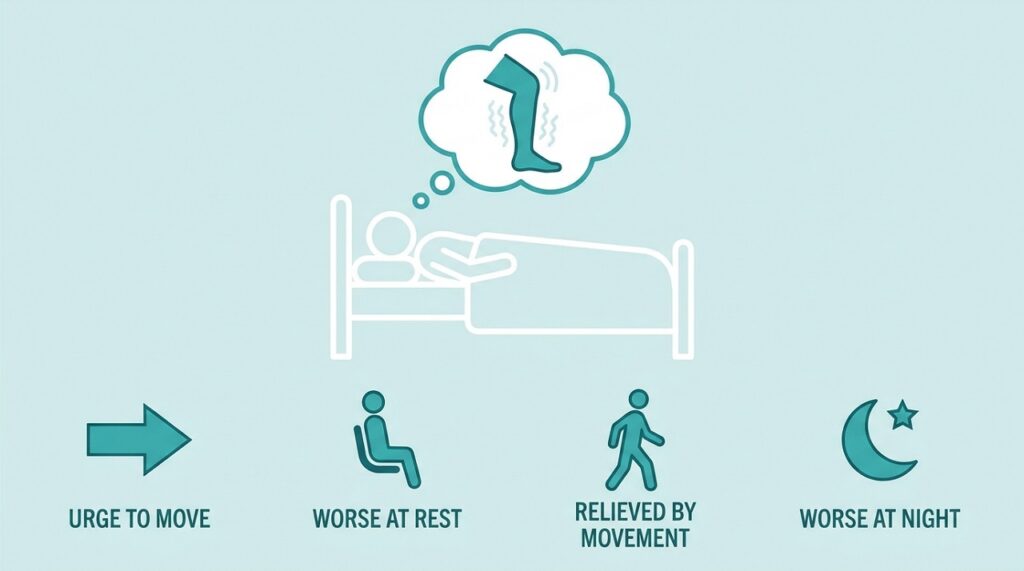
Before diving into remedies, it is worth spending a moment on what RLS is and, just as importantly, what it is not — because misidentifying the condition leads to mismanaged treatment.
Restless Legs Syndrome (RLS) is defined by four core features that must all be present for a formal diagnosis. There is an urge to move the legs, usually accompanied by uncomfortable sensations. That urge begins or gets significantly worse during rest or inactivity. It is at least partially and temporarily relieved by movement such as walking or stretching. And the symptoms are worse in the evening and at night compared to earlier in the day. All four features together distinguish RLS from general leg cramps, muscle twitching, positional discomfort, or simple restlessness from anxiety.
Periodic Limb Movement Disorder (PLMD) is a related but distinct condition that is frequently confused with RLS. In PLMD, the legs move involuntarily during sleep — repetitive kicks or jerks that happen every 20–40 seconds — but the person is often unaware of them. Their bed partner typically notices first. Unlike RLS, PLMD is not accompanied by the conscious urge to move and does not cause the pre-sleep crawling sensations. Some people have both conditions simultaneously. PLMD requires different management and is typically diagnosed via sleep study.
The Neuroscience Behind Why RLS Strikes at Night (Most Articles Never Explain This)
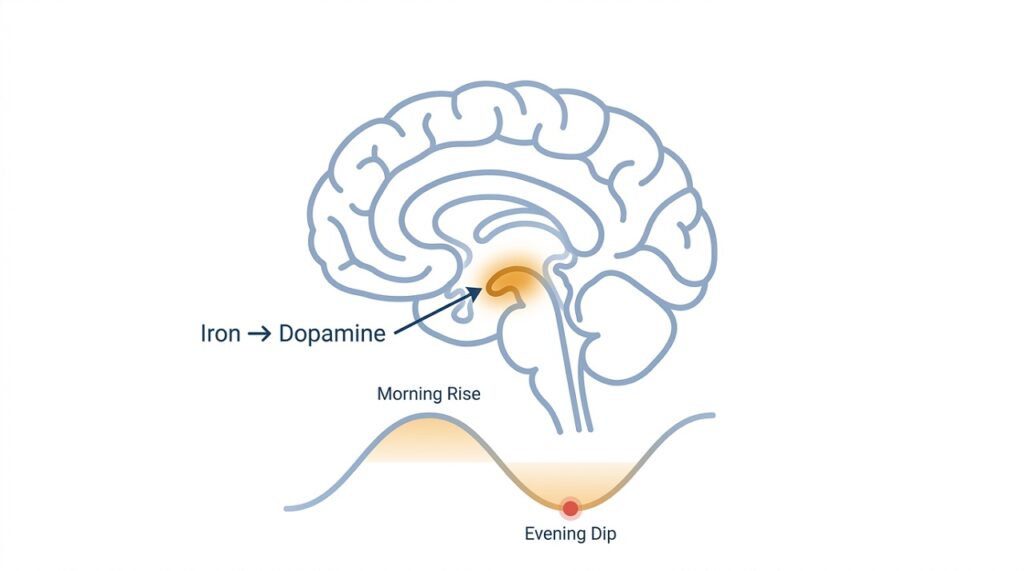
Understanding why RLS follows a strict circadian pattern is not just academically interesting — it directly informs the most effective timing strategies for every home remedy in this guide.
At the centre of RLS is a disruption in the dopamine pathway deep in the brain, specifically in a region called the substantia nigra and the basal ganglia — the same dopamine circuits involved in Parkinson’s disease, though through a different mechanism. Dopamine is responsible for coordinating smooth, controlled movement and suppressing unwanted nerve signals to the limbs. When dopamine signalling is disrupted, the brain essentially loses its ability to tell the legs to stay still.
Here is where iron enters the picture, and it is crucial. Iron is not just a blood mineral — it is a critical raw material for the production of tyrosine hydroxylase, the rate-limiting enzyme in dopamine synthesis. Studies using cerebrospinal fluid analysis, neuroimaging, and postmortem brain tissue have consistently found that RLS patients have reduced iron availability in specific brain regions — even when their blood iron levels appear perfectly normal. This brain-level iron insufficiency impairs dopamine regulation, and the result is the restless legs you experience every night.
Now for the circadian piece. Dopamine levels in the brain naturally follow a daily rhythm — they are highest in the afternoon and drop significantly in the evening. For most people this drop is inconsequential. But for someone whose dopamine system is already compromised by reduced brain iron, that evening drop pushes dopamine below the threshold needed to suppress the abnormal sensations — and RLS symptoms emerge or escalate. This is why your legs are almost always worse at night, and why strategies that support dopamine function or that are timed to the evening window provide the most relief.
The Hidden Trigger Hiding in Your Medicine Cabinet
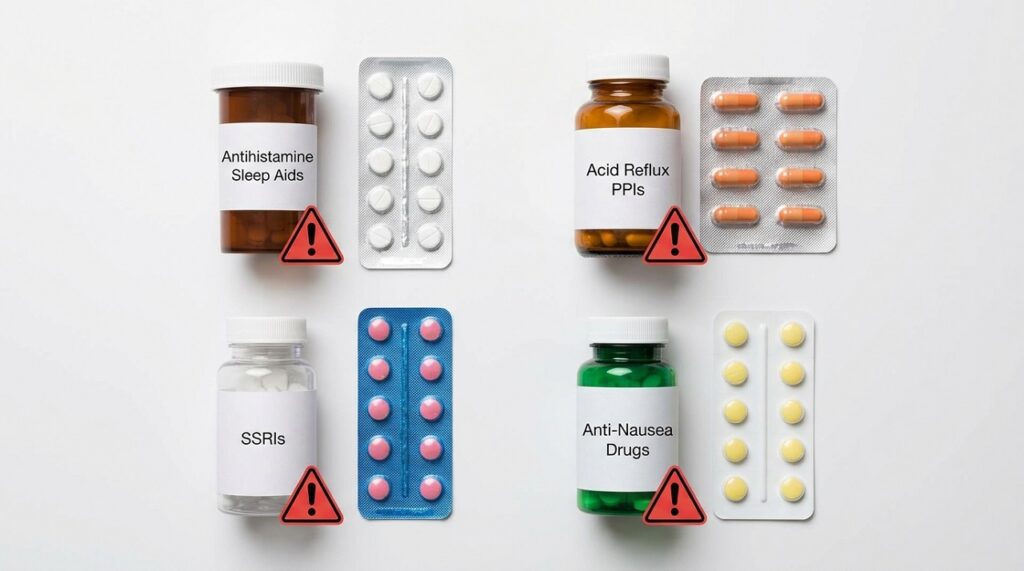
This is the section that almost no home remedy article about RLS includes, and it is arguably the most important information here for a significant number of sufferers.
A wide range of commonly used medications — including several that are taken specifically to help with sleep — actually worsen RLS symptoms significantly by blocking dopamine receptors or otherwise disrupting the dopamine pathway your legs depend on.
Sedating antihistamines are the biggest trap. Diphenhydramine (the active ingredient in most over-the-counter sleep aids like Benadryl, Nytol, and Sominex) blocks H1 histamine receptors in a way that also antagonises dopamine receptors. Many RLS sufferers, frustrated by sleeplessness, reach for an OTC sleep aid — and make their RLS dramatically worse. If you are taking any antihistamine-based sleep product and your restless legs are severe, this may be the first thing to address.
Common cold and flu remedies containing antihistamines — including Night Nurse, Actifed, and many combination cold tablets — carry the same risk. Always read the active ingredients before taking any over-the-counter product if you have RLS.
Antidepressants are a complex and important category. SSRIs (selective serotonin reuptake inhibitors) and SNRIs (serotonin-norepinephrine reuptake inhibitors) — including fluoxetine, sertraline, citalopram, venlafaxine, and duloxetine — have all been documented to worsen RLS in clinical literature. A major 2024 pharmacovigilance study published in PMC analysing FDA adverse event data confirmed antidepressants as the most commonly reported drug category associated with drug-induced RLS. Mirtazapine (Zispin/Remeron) appears particularly problematic for RLS. The antidepressant least likely to worsen RLS is bupropion (Wellbutrin), which works through a dopaminergic rather than serotonergic mechanism — something worth discussing with your doctor if you need both depression and RLS management.
Proton pump inhibitors (PPIs) used for acid reflux — omeprazole, lansoprazole, pantoprazole — are flagged repeatedly in RLS patient communities and by RLS-UK as worsening symptoms, likely because long-term PPI use impairs iron absorption at the gut level, compounding the brain iron deficit at the core of RLS.
Anti-nausea medications including metoclopramide and prochlorperazine are potent dopamine antagonists and can trigger severe RLS flares. This is particularly important to flag before any surgical procedure where anti-nausea drugs are routinely administered.
This is not a reason to stop any prescribed medication without speaking to your doctor. It is a reason to have an informed conversation about whether a medication you are currently taking may be contributing to your RLS — and whether alternatives exist. If your RLS worsened around the time you started a new medication, this connection is worth investigating.
Natural Home Remedies That Have Genuine Evidence Behind Them
Magnesium Supplementation — The Form Matters Enormously
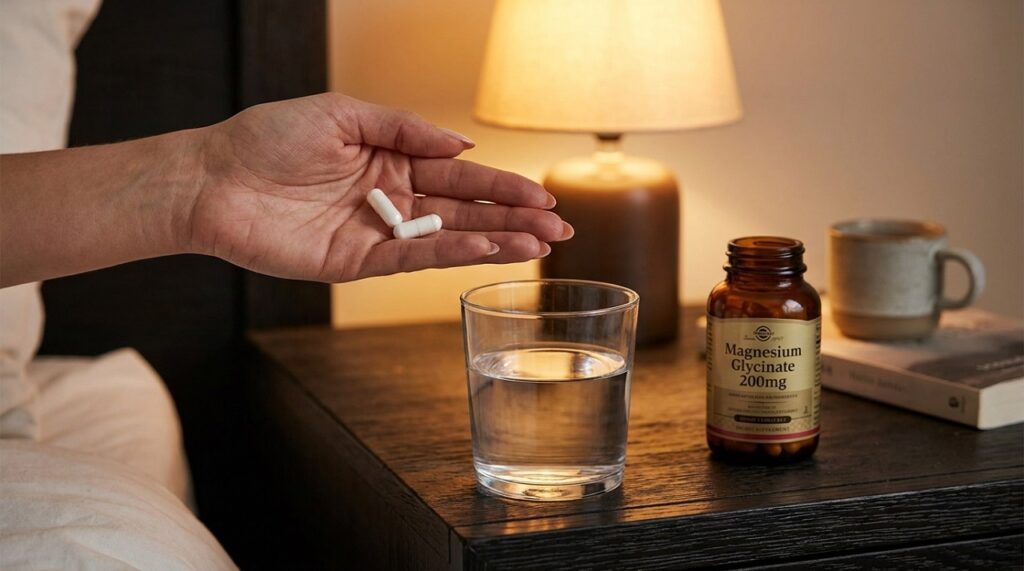
Magnesium is the most clinically investigated natural supplement for RLS, and the evidence has meaningfully strengthened in recent years. A 2022 randomised controlled trial published in BMC Complementary Medicine and Therapies found that magnesium oxide combined with vitamin B6 significantly improved both RLS symptom severity and sleep quality compared to placebo over two months. A 2024 pilot study published in the Journal of Clinical Sleep Medicine found that 200mg of magnesium citrate taken nightly for eight weeks produced significant reductions in validated RLS symptom scores.
Mechanistically, magnesium acts as a natural calcium channel blocker at nerve terminals — when magnesium levels are adequate, calcium’s ability to over-activate nerve signals is suppressed, reducing the abnormal sensory signals that manifest as restless legs. Magnesium also modulates NMDA receptors and supports dopamine signalling — directly relevant to RLS pathophysiology.
Why the form of magnesium you take matters: Magnesium oxide has the highest elemental magnesium content by weight but the lowest absorption rate — only around 4% is absorbed. Magnesium glycinate (magnesium bound to the amino acid glycine) and magnesium citrate have substantially better bioavailability, particularly for neurological applications. Glycinate is additionally well tolerated by the gut and less likely to cause the diarrhoea that high-dose oxide can produce. For RLS specifically, magnesium glycinate or citrate are the clinically rational choices over oxide.
Timing and dose: Take 200–400mg of elemental magnesium (glycinate or citrate) one to two hours before bed. This aligns the peak absorption window with the evening circadian drop in dopamine when RLS symptoms typically peak. Do not exceed 350mg supplemental magnesium daily without medical supervision, and consult a doctor before supplementing if you have kidney disease, as impaired kidneys cannot clear excess magnesium safely.
Iron — But Only If You Know Your Ferritin Number

Iron supplementation is one of the most biologically rational interventions for RLS given the iron-brain-dopamine pathway, but the way it is covered in virtually every online article is dangerously vague. “Get your iron checked” is not useful advice without context.
The number that matters for RLS is not your haemoglobin level — it is your serum ferritin level. Ferritin is the storage form of iron, and brain iron availability correlates with ferritin much more closely than with standard haemoglobin or serum iron. The standard laboratory “normal” range for ferritin typically bottoms out at 12–15 ng/mL. But the threshold that RLS specialists and neurologists use is considerably higher. The Restless Legs Syndrome Foundation and multiple sleep medicine guidelines suggest that a serum ferritin below 75 ng/mL in an RLS patient warrants iron supplementation discussion with a doctor — and that symptoms often improve as ferritin is raised toward the 100–150 ng/mL range.
This means you can have ferritin at 30–40 ng/mL, be told your iron is “normal” by a standard lab report, and still be iron-insufficient relative to what your brain needs for optimal dopamine regulation.
From a dietary standpoint: Iron-rich foods that support ferritin levels include lean red meat, dark leafy greens (spinach, kale), lentils, fortified cereals, pumpkin seeds, and dark chocolate. Pair iron-rich plant foods with vitamin C to significantly improve non-haem iron absorption — a squeeze of lemon juice over lentils, for instance, or a glass of orange juice alongside a fortified breakfast.
Avoid iron supplementation without a blood test first. Iron overload is genuinely harmful, particularly for men and post-menopausal women whose bodies don’t have a monthly route of iron excretion. Self-supplementing iron without knowing your baseline ferritin is not a safe approach.
Leg Massage — The First-Line Remedy That a Sleep Neurologist Actually Recommends
Dr J. Andrew Berkowski, a sleep neurologist quoted by Cleveland Clinic, describes leg massage as his first-line recommendation before considering any medication for RLS. This is not a platitude — there is a mechanism behind it. Manual stimulation of the legs activates large-fibre sensory neurons that compete with and partially suppress the small-fibre abnormal nerve signals responsible for RLS discomfort, through a mechanism similar to the gate control theory of pain.
How to do it effectively: Sit on the edge of the bed or floor. Using both hands, apply firm upward strokes from the ankle toward the knee, then use circular thumb pressure along the calf muscles and the back of the knee. Spend 5–10 minutes per leg. For enhanced effect, warm a small amount of coconut oil or arnica massage oil between your palms first — warmth amplifies the circulatory benefits and the massage becomes more pleasurable, making consistency more likely.
Consistency matters more than technique here. A brief daily evening massage, performed 30–60 minutes before bed as part of a pre-sleep wind-down routine, is more effective than an occasional longer session.
Temperature Therapy — Hot, Cold, or Both?
Almost every article on RLS mentions “warm bath” and leaves it there. The reality is more nuanced, and knowing which temperature to use and when can meaningfully change the outcome.
Heat (warm bath, heated compress, or electric blanket on low) works by dilating blood vessels and improving circulation to the legs, relaxing muscle tension, and promoting the parasympathetic “rest and digest” nervous system state that counters the hyperexcitability underlying RLS. A warm bath taken 60–90 minutes before bed also produces a temporary core body temperature rise followed by a drop — and that temperature drop is a powerful sleep-onset trigger. For most RLS sufferers, heat is the right choice as part of a bedtime routine.
Cold (ice pack, cold compress, or cool water immersion for the feet and calves) works differently — it reduces nerve conduction velocity, essentially “numbing down” the overactive sensory signals temporarily. Some RLS sufferers find cold more effective than heat, particularly for the crawling sensations rather than the muscle tension component. The only way to know which works better for you is to experiment systematically.
Contrast therapy — alternating between warm and cold application — is used by some RLS patients with good results. Spend 3 minutes with a warm compress on both calves, then 1 minute with a cold compress, and repeat the cycle three times. The alternating vasodilation and vasoconstriction creates a pumping effect in the peripheral circulation, which can clear metabolic waste from muscle tissue and reduce the neurological irritability that drives RLS.
Exercise — The Critical Timing Window Nobody Tells You About
Regular moderate exercise reduces RLS severity over time — this is well-supported in the literature. But the timing and intensity relationship with RLS is a paradox that most articles completely ignore, and getting it wrong can make a bad night dramatically worse.
What helps: Moderate aerobic exercise performed in the late afternoon — a 30-minute walk, a gentle cycle, light swimming — consistently reduces RLS symptom severity when done regularly. The mechanism involves improved dopamine receptor sensitivity, better peripheral circulation, and reduction in the chronic low-grade inflammation that aggravates neural excitability.
What makes it worse: Vigorous exercise — intense gym sessions, long runs, heavy resistance training — particularly when performed within 3–4 hours of bedtime, can significantly worsen RLS symptoms that night. This happens because intense exercise creates metabolic stress in muscle tissue, increases excitatory neurotransmitter activity, and elevates core body temperature in a way that disrupts the sleep-onset signals your body needs.
The practical rule: keep your exercise moderate, keep it consistent, and keep it finished by mid-evening at the latest. If you currently exercise intensely in the evening and your RLS is severe, shifting your workout to the morning or afternoon is worth trying before anything else.
The Pre-Sleep Routine: Timing and Environment

Because RLS is driven by a circadian mechanism — dopamine naturally falling in the evening — creating a pre-sleep environment that minimises triggers and supports dopamine function is not generic wellness advice. It is directly therapeutic.
Caffeine has a longer half-life than most people realise. The half-life of caffeine in the body is approximately 5–7 hours for most adults, meaning a 3pm coffee still has half of its caffeine active in your system at 8–10pm. Caffeine disrupts adenosine signalling in the brain — and adenosine dysfunction is a documented secondary mechanism in RLS pathophysiology, particularly in iron-deficient states. Cutting caffeine before noon is the right standard for RLS sufferers, not “avoid coffee after 6pm.”
Alcohol is a short-term relaxant that disrupts sleep architecture in the second half of the night and worsens RLS symptoms in many sufferers. It suppresses deep sleep stages, raises body temperature, and impairs the dopamine-serotonin balance in ways that typically amplify restless legs symptoms in the early hours of the morning.
Smoking worsens peripheral circulation, impairs iron absorption, and has been consistently identified as an RLS aggravator in epidemiological studies.
A consistent sleep and wake schedule supports the stability of your circadian rhythm — including the dopamine cycle. Going to bed and waking at erratic times destabilises this rhythm and creates the conditions for more frequent and more severe RLS episodes.
RLS During Pregnancy — A Separate Conversation
Pregnancy is one of the most common triggers of RLS, affecting an estimated 20–25% of pregnant women, typically worsening in the third trimester and usually resolving within weeks of delivery. The mechanism overlaps with general RLS — iron and folate deficiencies are extremely common in pregnancy — but management requires specific considerations.
Many of the natural approaches in this guide are pregnancy-safe: leg massage, moderate exercise, temperature therapy, dietary iron optimisation, and sleep scheduling. However, magnesium supplementation during pregnancy should be discussed with an obstetrician before starting, as magnesium interacts with several pregnancy-specific physiological processes.
Importantly, many pharmacological RLS treatments are contraindicated in pregnancy. This makes the natural approaches in this guide particularly relevant for pregnant women — but it also makes professional guidance even more important. If you are pregnant and experiencing significant RLS, raise it explicitly with your midwife or obstetrician rather than managing it entirely on your own.
When to See a Doctor — and What to Ask For

Home remedies are effective for mild-to-moderate RLS and for identifying and removing aggravating factors. But several presentations warrant professional evaluation without delay.
See a doctor if your RLS is severe enough to prevent sleep on most nights, if symptoms are affecting your daytime function, concentration, mood, or cardiovascular health, if you are pregnant and experiencing RLS, if you suspect a medication you are taking is worsening your symptoms, or if your legs are moving involuntarily during sleep (which may indicate PLMD rather than, or in addition to, RLS).
When you see your doctor, ask specifically for a serum ferritin test — not just a standard “iron” or haemoglobin test. Ask what your ferritin number is, and ask whether it is above the 75 ng/mL threshold relevant to RLS. This is the most commonly missed clinical step in general practice management of RLS, and advocating for it yourself can make a significant difference.
Frequently Asked Questions
Q: What is the fastest way to stop restless legs at night when they’re already bad?
The fastest-acting approaches are physical movement combined with temperature therapy. Get out of bed, walk for 5 minutes, then apply a warm or cold compress (whichever works better for you) to your calves for 10 minutes while seated. Follow this with a firm leg massage. This combination addresses the neurological irritability, improves circulation, and activates competing nerve fibres — giving you the best chance of being able to get back to sleep within 20–30 minutes.
Q: Does magnesium really help restless legs?
The evidence has strengthened considerably. A 2022 RCT and a 2024 pilot study both found meaningful symptom improvement. A 2024 systematic review of 10 trials found magnesium oxide and B6 significantly improved sleep quality and RLS symptoms. The key is choosing the right form (glycinate or citrate, not oxide alone) and taking it in the evening at an appropriate dose. It is most effective in people with documented or subclinical magnesium deficiency.
Q: Can stretching alone control RLS symptoms?
Stretching alone is rarely sufficient for moderate-to-severe RLS, but targeted stretching of the calves, hamstrings, and hip flexors performed consistently before bed can meaningfully reduce symptom onset in milder cases. Yoga specifically has been studied for RLS — a small trial found that a consistent yoga practice reduced both symptom severity and psychological distress associated with RLS. Think of stretching as a valuable component of a broader evening routine rather than a standalone solution.
Q: Is RLS a lifelong condition?
For primary (idiopathic) RLS with a genetic component, it is typically a chronic condition, though many people experience periods of remission. For secondary RLS caused by identifiable factors — iron deficiency, pregnancy, medication side effects — addressing the underlying cause can resolve symptoms entirely. This distinction matters enormously, which is why identifying and correcting secondary causes (including the medication triggers discussed above) should always be the first step.
Q: Can diet alone control restless legs?
Diet can play a meaningful supportive role, particularly through optimising iron, magnesium, folate, and vitamin C intake, and by eliminating known aggravators like alcohol and excessive caffeine. But for most people with established RLS, dietary changes alone are insufficient — they work best as part of a comprehensive approach that includes the timing, temperature, movement, and supplementation strategies covered in this guide.
Q: Does RLS get worse with age?
Generally yes — symptom frequency and severity tend to increase with age in primary RLS, partly because iron metabolism and dopamine receptor sensitivity both change with ageing. However, this is not inevitable, and adopting the management strategies in this guide consistently can significantly slow or limit that progression. Identifying and correcting any secondary contributing factors, particularly iron status and medication interactions, becomes increasingly important with age.
Scientific References
- Allen RP, et al. (2013). Restless legs syndrome/Willis-Ekbom disease diagnostic criteria: updated International Restless Legs Syndrome Study Group (IRLSSG) consensus criteria. Sleep Medicine. https://doi.org/10.1016/j.sleep.2012.10.011
- Earley CJ, Connor JR, et al. (2014). Altered brain iron homeostasis and dopaminergic function in Restless Legs Syndrome (Willis-Ekbom Disease). JAMA Neurology. https://pubmed.ncbi.nlm.nih.gov/25201131/
- Jadidi A, et al. (2022). Therapeutic effects of magnesium and vitamin B6 in alleviating the symptoms of restless legs syndrome: a randomized controlled clinical trial. BMC Complementary Medicine and Therapies. https://www.ncbi.nlm.nih.gov/pmc/articles/PMC9804944/
- Gorantla S, et al. (2024). Magnesium citrate monotherapy improves restless legs syndrome symptoms and multiple suggested immobilization test scores: an open-label pilot study. Journal of Clinical Sleep Medicine. https://doi.org/10.5664/jcsm.11264
- González-Parejo P, et al. (2024). Effects of Dietary Supplementation in Patients with Restless Legs Syndrome: A Systematic Review. Nutrients. https://www.ncbi.nlm.nih.gov/pmc/articles/PMC11280425/
- Guo S, et al. (2017). Iron, dopamine, genetics, and hormones in the pathophysiology of restless legs syndrome. Journal of Neurology. https://doi.org/10.1007/s00415-017-8431-1
- Xie M, et al. (2023). Circadian rhythm in restless legs syndrome. Frontiers in Neurology. https://www.ncbi.nlm.nih.gov/pmc/articles/PMC9995399/
- Salas RE, et al. (2014). Medications Associated with Restless Legs Syndrome: A Case Control Study. Journal of Clinical Sleep Medicine. https://pmc.ncbi.nlm.nih.gov/articles/PMC4172448/
- Hua Y, et al. (2025). Exploring the Top 50 Drugs Associated with Restless Legs Syndrome Based on FDA Data 2004–2024. PMC. https://pmc.ncbi.nlm.nih.gov/articles/PMC12087588/
- Winkelman JW, et al. (2016). The Neurobiology and Treatment of Restless Legs Syndrome. Biological Psychiatry. https://www.ncbi.nlm.nih.gov/pmc/articles/PMC5214985/
- Restless Legs Syndrome Foundation. Serum Ferritin and RLS. https://www.rls.org/understanding-rls/medical-information
This article is for informational purposes only and does not constitute medical advice. Restless Legs Syndrome can be associated with underlying medical conditions and medication interactions that require professional evaluation. Please consult a qualified healthcare provider before starting any supplement regimen or making changes to prescribed medications.













Disclaimer: This article is for informational purposes only and is not a substitute for professional medical advice. Herbal remedies and essential oils can interact with medications or carry risks for certain people — check with a healthcare provider before starting any new remedy, particularly if pregnant, breastfeeding, or treating a child.
Natural Remedies for Allergies and Sinus Congestion: What Actually Helps
Quick answer: Nasal saline irrigation, a HEPA air purifier, and herbal options like butterbur (PA-free only) and quercetin have the strongest evidence behind them for allergy and sinus congestion relief, while local honey and essential oils are more popular than proven — the research on both is genuinely mixed. Before trying any remedy, it helps to know which condition you’re actually dealing with: allergic rhinitis (triggered by pollen, dust, or pet dander) and sinus congestion from a cold or sinus infection respond somewhat differently, and knowing which one you have shapes which remedies are worth trying first.
That’s the short version. Below is the full breakdown — what’s genuinely backed by research, what to watch out for with specific herbs and oils, and when symptoms mean it’s time to see a doctor rather than keep experimenting at home.
Key Takeaways
- Allergic rhinitis and sinus congestion from a cold or infection are related but distinct — telling them apart helps you choose the right remedy
- Butterbur and quercetin have the most research support among herbal options, though butterbur carries specific safety caveats worth knowing
- The local honey theory is popular but not well supported by controlled trials
- Peppermint and eucalyptus essential oils are not recommended for infants and young children
- Nasal irrigation, HEPA filtration, and allergen-reduction habits at home are consistently useful across almost every cause of congestion
Allergic Rhinitis vs. Sinus Congestion: Why the Distinction Matters
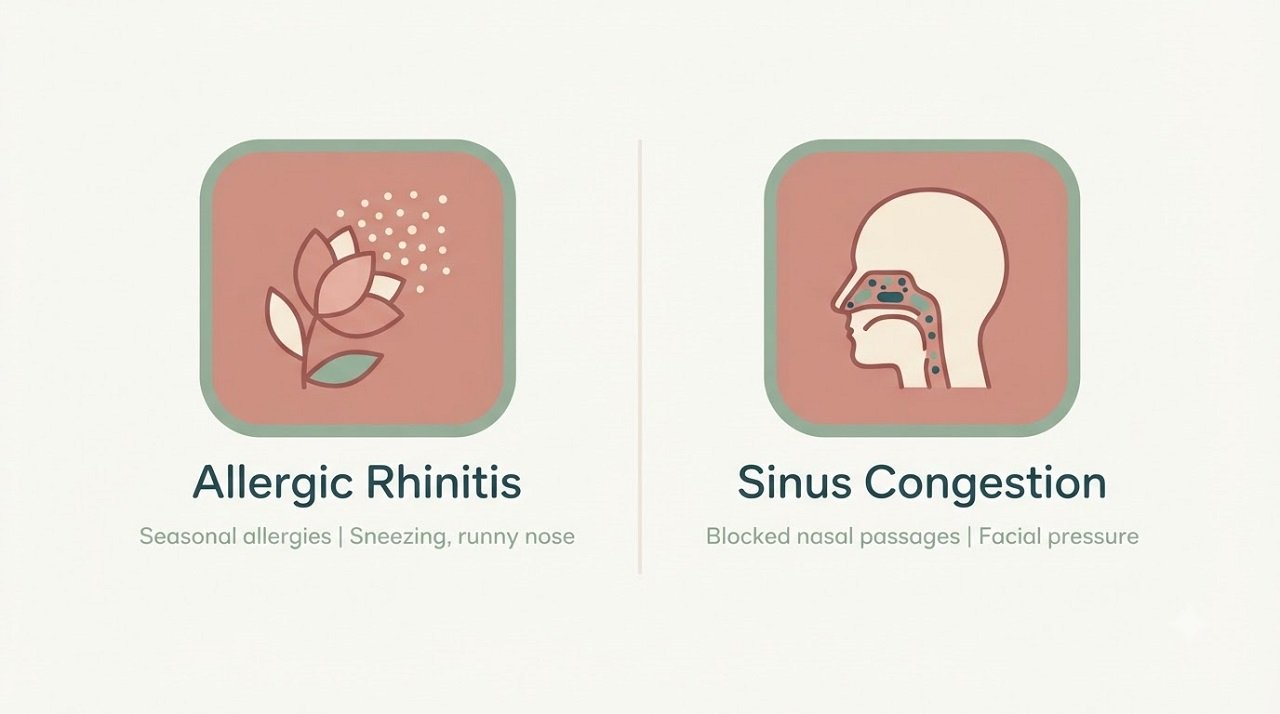
Before reaching for a remedy, it’s worth pinning down what’s actually causing your symptoms, since “allergies” and “sinus congestion” get used almost interchangeably but aren’t quite the same thing.
Allergic rhinitis happens when your immune system overreacts to something harmless — pollen, dust mites, pet dander, or mold — releasing histamine and triggering sneezing, itchy or watery eyes, a runny or blocked nose, and often a scratchy throat. It tends to follow a pattern: seasonal (tied to specific pollen periods) or perennial (year-round, often from indoor allergens like dust or pet dander).
Sinus congestion, on the other hand, is usually a symptom of the sinuses themselves becoming inflamed or infected — most often from a viral cold, but sometimes from a bacterial sinus infection (sinusitis). It typically comes with facial pressure or pain, thicker nasal discharge, and sometimes a mild fever, features that plain allergic rhinitis usually doesn’t produce.
The overlap is real — allergies can trigger sinus inflammation, and a cold’s congestion can look a lot like allergy symptoms in the moment — which is exactly why this distinction gets blurred so often. But it matters practically: antihistamine-focused remedies like butterbur and quercetin target the allergic pathway specifically, while saline irrigation and steam work well for both. If your congestion is thick, colored, or accompanied by facial pain and fever, that leans toward infection rather than allergy, and the herbal antihistamine options covered below aren’t going to be the right tool for that.
Herbal Treatments for Sinus Issues: What the Research Actually Shows

Butterbur: Genuine Evidence, but Real Caveats Worth Knowing
Butterbur has some of the better research support among herbal allergy remedies. According to the National Center for Complementary and Integrative Health (NCCIH), a systematic review of six randomized controlled trials found butterbur performed better than placebo, and comparably to non-sedating antihistamines, for intermittent allergic rhinitis. A separate randomized trial found it worked similarly to cetirizine (a common antihistamine) with less associated drowsiness.
That said, there are safety details worth taking seriously rather than treating as fine print. Raw butterbur contains pyrrolizidine alkaloids (PAs), compounds linked to liver damage, so only products explicitly labeled “PA-free” should ever be considered — and even then, NCCIH notes that rare liver injury has still been reported with PA-free products, which is why occasional liver function monitoring is sometimes recommended for longer-term use. Butterbur belongs to the same plant family as ragweed, chrysanthemums, marigolds, and daisies (Asteraceae), so anyone with a ragweed allergy specifically can have a cross-reaction to butterbur — a detail that matters given it’s being suggested as an allergy remedy in the first place. It’s also not recommended during pregnancy or breastfeeding, and isn’t advised for anyone with liver disease.
Quercetin: A Reasonable, Lower-Risk Option
Quercetin is a natural flavonoid found in apples, onions, and berries, and works through a different mechanism than butterbur — it helps stabilize mast cells, the immune cells responsible for releasing histamine during an allergic reaction, which may reduce the intensity of the allergic response before it fully develops. It generally carries a milder safety profile than butterbur, without the same liver or cross-reactivity concerns, though — as with any supplement — it’s still worth checking with a healthcare provider before starting it regularly, particularly if you’re on other medications.
Stinging Nettle: Traditional Use, Thinner Evidence
Stinging nettle has a long history of traditional use for respiratory and allergy symptoms, taken as a tea or in capsule form. The clinical evidence behind it is considerably thinner than for butterbur or quercetin — it’s a reasonable, low-risk option to try, but it shouldn’t be expected to perform as reliably as the better-studied options above.
Always check with a healthcare provider before starting any herbal remedy, particularly if you’re pregnant, breastfeeding, managing a chronic condition, or taking other medications, since herb-drug interactions are a genuine possibility even with “natural” remedies.
Always consult with a healthcare provider before starting any herbal remedies to ensure they’re safe for your individual needs.
Essential Oils for Congestion Relief — and Who Should Avoid Them

Peppermint and eucalyptus oils are among the most commonly reached-for essential oils for congestion relief, and there’s a real mechanism behind why they feel effective: peppermint’s menthol content stimulates cold receptors in the nose, creating a cooling sensation that can make breathing feel easier even without physically clearing congestion, while eucalyptus’s active compound, 1,8-cineole, has documented expectorant properties that support natural mucus clearance.
A safety point that matters for any household with young children: these same oils are specifically flagged as unsafe for infants and toddlers. Poison control resources note that peppermint’s high menthol content and eucalyptus’s cineole content can trigger reflex laryngospasm — a sudden closing of the airway — in infants and very young children, and general guidance is to avoid diffusing or applying either oil near the face of children under about 6 years old. If you have young kids at home, this is worth factoring in before using either oil in a shared space, not just when applying directly to a child.
For adults, both oils are broadly considered safe when used appropriately:
- Add a few drops to a bowl of hot water and inhale the steam (keep eyes closed and maintain a safe distance to avoid irritation)
- Use a diffuser to disperse the aroma through a room
- Always dilute with a carrier oil such as coconut or almond oil before any skin application — never apply undiluted essential oil directly to skin
- Avoid contact with eyes and mucous membranes
- Patch-test a new oil on a small area of skin before broader use
- If pregnant, breastfeeding, or managing a medical condition, check with a healthcare provider first
A few drops of the right essential oil can make a world of difference during allergy season. Whether you choose to inhale, diffuse, or apply them topically, these natural remedies can provide much-needed relief from stubborn symptoms.
Natural Antihistamines for Seasonal Allergies: Separating What’s Proven From What’s Popular\

Local Honey: A Popular Theory With Weaker Evidence Than It’s Given Credit For
The idea behind local honey is intuitive — consume small amounts of local pollen, and your body gradually builds tolerance to it. It’s a genuinely appealing theory, but it runs into a practical problem: most seasonal allergies are triggered by lightweight, wind-pollinated plants like grasses, trees, and ragweed, while honeybees primarily collect pollen from bright, flowering plants that rely on insects for pollination rather than wind. That mismatch means the specific pollen causing your symptoms often isn’t the pollen ending up in local honey in any meaningful concentration.
The clinical research reflects this uncertainty. A well-known double-blind study from the University of Connecticut compared local raw honey, commercial pasteurized honey, and a honey-flavored placebo syrup, and found no statistically significant difference in allergy symptom relief between the three groups. Some smaller trials point the other way — a 2011 pilot study of birch pollen-specific honey found modestly better symptom control compared to conventional allergy medication — but NCCIH describes the overall evidence for honey and seasonal allergies as preliminary and not convincing at this stage.
“There is no convincing scientific evidence that honey relieves seasonal allergies.” — National Center for Complementary and Integrative Health (NCCIH), National Institutes of Health
None of this means honey is unsafe to try — it carries minimal risk for most adults and is a pleasant addition to tea or toast regardless. It just means it shouldn’t be relied on as a primary allergy strategy, and the “local” and “raw” framing in particular doesn’t have strong evidence backing its specific claims. One firm exception: honey should never be given to a baby under 12 months old, due to a genuine risk of infant botulism.
Vitamin C: A Modest, Overstated Claim
Vitamin C is sometimes described as a natural antihistamine, based on laboratory research suggesting it can influence histamine metabolism at a cellular level. In practice, the evidence that typical dietary or supplemental vitamin C intake produces a meaningful, noticeable reduction in real-world allergy symptoms is considerably weaker and more mixed than the “natural antihistamine” framing suggests. Eating vitamin C-rich foods like citrus, berries, and bell peppers is a reasonable, generally healthy habit on its own merits — just not one to count on as a primary allergy treatment.
Nasal Saline Irrigation: The Best-Supported Remedy on This List
If one home remedy deserves genuine confidence, it’s saline nasal irrigation. Using a neti pot or a saline rinse kit with sterile, distilled, or previously boiled and cooled water flushes mucus, allergens, and irritants directly out of the nasal passages — addressing the problem mechanically rather than relying on any single active ingredient. It works for allergic and infection-related congestion alike, has a strong safety record when done correctly, and is inexpensive and easy to repeat as often as needed.
Simple Lifestyle Changes That Reduce Allergen Exposure
Reducing how many allergens you’re exposed to in the first place is one of the most consistently effective things you can do, regardless of which specific remedy you pair it with.
Keeping your home allergen-reduced:
- Vacuum carpets and rugs weekly using a vacuum with a HEPA filter
- Wash bedding in hot water weekly to reduce dust mites
- Keep windows closed on high-pollen days, relying on air conditioning instead
- Wipe down frequently overlooked surfaces — ceiling fans, blinds, baseboards — where dust and allergens accumulate
Using air purifiers effectively:
- Choose a purifier with a genuine HEPA filter, which is specifically designed to trap pollen, mold spores, and pet dander
- Place it in the room where you spend the most time, such as the bedroom
- Replace filters on the manufacturer’s recommended schedule — an overdue filter loses much of its effectiveness
- Consider a dehumidifier in damp areas of the home to reduce mold growth, which is itself a common allergen
Effective At-Home Techniques for Sinus Congestion
Steam inhalation loosens mucus and helps open nasal passages quickly — a hot shower with the door closed is often the simplest way to do this, and adding a few drops of eucalyptus or peppermint oil to a bowl of hot water (for adults) can enhance the effect.
Acupressure offers a tool-free option some people find helpful for sinus drainage: gentle pressure on the bridge of the nose, the point between the eyebrows, and the sides of the nostrils, held for a minute or two, may ease that heavy, congested feeling for some people, though this is based more on traditional practice than controlled research specific to acupressure.
Staying hydrated helps keep mucus thin enough to drain naturally rather than thickening and worsening congestion — water is the simplest option, but warm herbal teas offer the added benefit of steam when sipped.
Feeling congested doesn’t mean you’re out of options. These at-home remedies are simple, effective, and free of side effects, making them a great first step toward relief.
Acupuncture for Allergies: What the Evidence Actually Shows
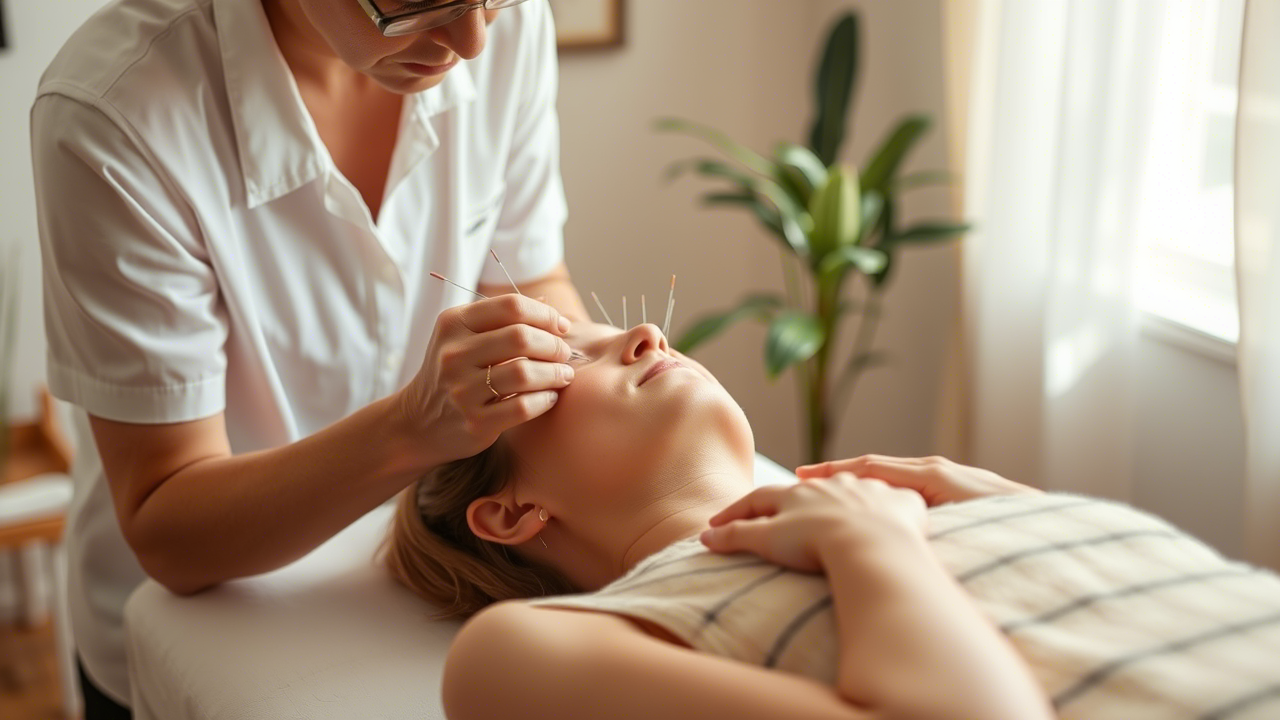
Acupuncture is sometimes suggested for allergic rhinitis specifically, and unlike several remedies on this list, it has a reasonably substantial body of research behind it. A 2022 systematic review and meta-analysis published in the European Journal of Medical Research, pooling 30 randomized controlled trials with 4,413 participants, found acupuncture improved nasal symptom scores and allergy-related quality of life compared to no intervention. American clinical practice guidelines on allergic rhinitis have listed acupuncture as an optional adjunct therapy since 2015.
It’s worth being precise about what this evidence does and doesn’t establish: most of the strongest comparisons are against no treatment or added onto standard therapy, evidence quality across the pooled trials is generally rated as low to moderate, and it isn’t positioned as a replacement for standard allergy management so much as a reasonable complementary option for people who want to try it, ideally administered by a licensed acupuncture practitioner.
If you’re curious about how acupuncture might help you, consider consulting an expert. Acupuncture professionals can tailor treatments to your specific allergy concerns, offering a natural and non-invasive approach to relief.
Probiotics and Immune-Supporting Habits
Probiotics — found in yogurt, kefir, and fermented foods like sauerkraut, or taken as a supplement — support a balanced gut microbiome, which plays a genuine role in overall immune regulation. Research into probiotics specifically for allergy symptom reduction is ongoing and shows some promise, though it’s a supportive habit rather than a primary treatment.
Daily habits worth maintaining during allergy season include staying well-hydrated (which also helps keep nasal passages moist), prioritizing 7–8 hours of quality sleep, since sleep deprivation measurably affects immune function, and eating a nutrient-rich diet with a good mix of fruits, vegetables, and whole foods.
Foods that can worsen congestion for some people include dairy, which some individuals find thickens mucus, alcohol — particularly beer and wine, which contain histamines and sulfites that can worsen symptoms in sensitive individuals — and heavily processed foods high in preservatives, which may contribute to a general inflammatory load.
When to See a Doctor
Most allergy and sinus congestion symptoms respond well to a combination of the remedies above alongside basic allergen avoidance. But certain signs suggest it’s time for a medical evaluation rather than continued home management.
See a doctor if symptoms persist beyond 10 days without improvement, if you develop a fever, facial pain, or thick yellow-green discharge (suggesting a possible bacterial sinus infection rather than plain allergies), if over-the-counter and natural remedies aren’t providing meaningful relief, or if allergy symptoms are significantly affecting your sleep, work, or quality of life on an ongoing basis — in which case an allergist can help identify your specific triggers and discuss additional treatment options, including prescription antihistamines or allergen immunotherapy.
Seek prompt medical care if you experience difficulty breathing, swelling of the face or throat, or symptoms that seem to be rapidly worsening, since these can indicate a more serious reaction requiring immediate attention.
Frequently Asked Questions
What are some natural remedies for sinus congestion?
Steam inhalation, nasal saline irrigation with sterile or distilled water, and essential oils like eucalyptus or peppermint (for adults) are among the most commonly used natural approaches for clearing nasal passages and easing congestion.
How does local honey help with allergies?
The theory is that consuming small amounts of local pollen in honey helps build tolerance over time. In practice, controlled research — including a well-known University of Connecticut trial — hasn’t found honey to outperform a placebo for allergy symptom relief, and most seasonal allergens come from wind-pollinated plants that rarely end up in honey in meaningful amounts.
What are the best herbal remedies for allergies?
Butterbur (PA-free only) and quercetin have the strongest research support among herbal options. Stinging nettle is a traditional option with thinner clinical evidence. Always check with a healthcare provider before starting any herbal remedy, particularly given butterbur’s specific safety considerations.
Are essential oils safe for managing sinus issues?
For most adults, yes, when properly diluted and used as directed. Peppermint and eucalyptus oils are not recommended for infants and young children under about 6 years old, since they can trigger breathing difficulties in that age group specifically.
Can dietary changes really help with allergies?
Diet plays a supportive role — staying hydrated, eating a nutrient-rich diet, and noticing whether dairy, alcohol, or processed foods worsen your personal symptoms can genuinely help, though diet alone typically isn’t sufficient for moderate-to-severe allergy symptoms.
How effective is acupuncture for allergy relief?
A 2022 meta-analysis of 30 randomized trials found acupuncture improved nasal symptoms and quality of life for people with allergic rhinitis compared to no treatment. The evidence quality is generally rated low to moderate, and it’s best considered a complementary option rather than a primary treatment.
How do I know if I have allergies or a sinus infection?
Allergic rhinitis tends to come with sneezing, itchy or watery eyes, and clear nasal discharge, often following a seasonal or environmental pattern. A sinus infection more often involves facial pain or pressure, thicker discolored discharge, and sometimes fever. If you’re genuinely unsure, or symptoms last beyond 10 days, a doctor can help clarify which you’re dealing with.
Scientific References
- National Center for Complementary and Integrative Health (NIH). Seasonal Allergies and Complementary Health Approaches: What the Science Says. https://www.nccih.nih.gov/health/providers/digest/seasonal-allergies-and-complementary-health-approaches-science
- Schapowal A. Randomised controlled trial of butterbur and cetirizine for treating seasonal allergic rhinitis. BMJ. 2002. https://pubmed.ncbi.nlm.nih.gov/11834559/
- Rajan TV, et al. A randomized, controlled trial of local honey for the treatment of seasonal allergic conjunctivitis. Annals of Allergy, Asthma & Immunology. University of Connecticut. https://pubmed.ncbi.nlm.nih.gov/12452208/
- Helsper JPFG, et al. Comparison of the effects of pre-seasonal local honey and conventional allergy medication on birch pollen allergy. European Journal of Clinical Nutrition. 2011 pilot study, referenced via NCCIH. https://www.nccih.nih.gov/health/providers/digest/seasonal-allergies-and-complementary-health-approaches-science
- He M, Qin W, Qin Z, Zhao C. Acupuncture for allergic rhinitis: a systematic review and meta-analysis. European Journal of Medical Research. 2022. https://pmc.ncbi.nlm.nih.gov/articles/PMC9036742/
- Poison Control (National Capital Poison Center). Eucalyptus oil: Is it safe? https://www.poison.org/articles/eucalyptus-oil
- Poison Control (National Capital Poison Center). Essential oils: Poisonous when misused. https://www.poison.org/articles/essential-oils
- Centers for Disease Control and Prevention (CDC). Infant Botulism. https://www.cdc.gov/botulism/infant-botulism.html
- Mayo Clinic. Nasal irrigation: Is it safe? https://www.mayoclinic.org/diseases-conditions/common-cold/expert-answers/nasal-irrigation/faq-20058031
- Cleveland Clinic. Allergic Rhinitis (Hay Fever): Symptoms, Causes & Treatment. https://my.clevelandclinic.org/health/diseases/8622-allergic-rhinitis
This article is for informational purposes only and is not a substitute for professional medical advice. Herbal remedies and essential oils can interact with medications or carry risks for certain people — check with a healthcare provider before starting any new remedy, particularly if pregnant, breastfeeding, or treating a child.

Disclaimer: This article is for informational purposes only and is not a substitute for professional medical advice. Infants are a medically vulnerable group — always consult your pediatrician before trying any home remedy, and seek immediate medical care if your baby shows any signs of breathing difficulty.
Quick answer: The safest, most evidence-supported home remedies for infant nasal congestion are saline nasal drops followed by gentle bulb syringe suctioning (used up to four times in 24 hours), a cool-mist humidifier to keep air moist, and extra breastmilk or formula to maintain hydration. Babies breathe primarily through their nose for the first few months of life, so even mild congestion can meaningfully disrupt feeding and sleep — but it’s almost always manageable at home. Avoid over-the-counter cold medicines, vapor rub under age 2, honey under 12 months, and any inclined or elevated sleep surface, since all of these carry documented safety risks for infants specifically.
That’s the short version. Below is the complete guide: what causes infant congestion, exactly how to use each remedy safely, the safe sleep guidance that matters most while your baby is congested, and the warning signs that mean it’s time to call your pediatrician.
Key Takeaways
- Nasal congestion in infants can make breathing and feeding difficult, and must be addressed safely
- Saline drops, humidifiers, and gentle suctioning are the home remedies with the clearest safety profile for infants
- Avoid over-the-counter cold medicines for children under 4, and avoid honey entirely under 12 months due to infant botulism risk
- Always prioritize safe, flat back-sleeping, even when dealing with congestion — elevated or inclined sleep positions are not recommended for infants
- Seek medical attention if the baby is struggling to breathe or showing signs of airway obstruction
Understanding Infant Nasal Congestion and Its Causes
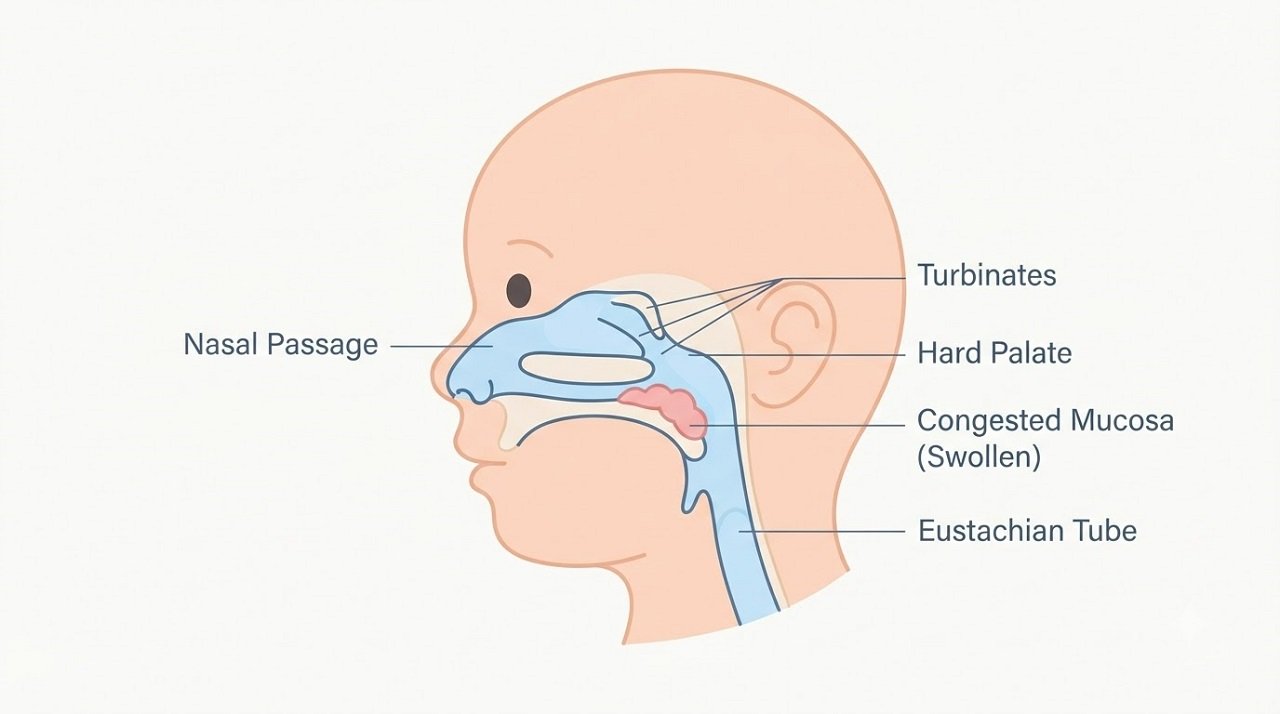
Nasal congestion happens when the blood vessels and tissue lining an infant’s tiny nasal passages swell with fluid, narrowing the already small airway. Because babies are largely obligate nose-breathers for the first few months of life — meaning they rely on nasal breathing far more than adults do, especially during feeding — even congestion that would feel minor to an adult can genuinely interfere with a baby’s ability to nurse, bottle-feed, and sleep comfortably.
Common Triggers of Nasal Congestion in Babies
Several things can cause nasal congestion in infants, including:
- Viral infections, such as the common cold or flu
- Allergies to environmental irritants like dust, pollen, or pet dander
- Exposure to cigarette smoke or other air pollutants
- Dry indoor air, particularly during winter heating season
- Structural factors in the nose or sinuses
- A foreign object lodged in the nasal passage (more common in older infants who can reach and explore with their hands)
Signs and Symptoms to Watch For
The main sign of nasal congestion in infants is audible or visible trouble breathing through the nose. Other common signs include:
- Trouble feeding or sucking due to blocked nasal passages
- Disturbed sleep patterns and increased irritability
- Persistent sniffling, snorting, or sneezing
- Visible nasal mucus or discharge
- A raspy or “snuffly” sound during breathing, particularly noticeable at night
When Congestion Becomes a Concern
Most infant nasal congestion is mild and manageable at home. But certain signs suggest it may be more serious and require prompt medical evaluation, including:
- Difficulty breathing, or rapid, labored breathing
- Bluish discoloration of the lips, face, or skin
- Persistent fever, or thick, yellow-green nasal discharge lasting more than 10 days
- Refusal to feed or drink due to nasal obstruction
If you notice any of these signs, contact your pediatrician promptly. They can rule out other underlying issues and guide the right next steps for your baby specifically.
The Importance of Safe Breathing for Infants
Proper breathing is foundational to an infant’s health, feeding, and sleep. Nasal congestion can interfere with all three, which is exactly why finding genuinely safe relief methods — ones that don’t introduce new risks while addressing the congestion — matters so much for this age group specifically.
“Prioritize timing it before feedings and bedtime, when clear breathing matters most.” — Advice from a pediatric care provider on the practical timing of nasal clearing routines, as reported by The Bump
Always place babies on their backs to sleep, on a firm, flat surface, free of soft bedding, positioners, or inclines — this single practice is the cornerstone of safe infant sleep and remains true even when your baby is congested, a point covered in more depth in the safe sleep section below. Combining this safe sleep foundation with gentle, evidence-informed remedies like saline solution gives parents a way to genuinely ease their baby’s discomfort without compromising on safety.
Home Remedies for a Stuffy Nose in Infants
As a parent, watching your baby struggle with a stuffy nose is genuinely hard — but there are several well-established, low-risk approaches that can meaningfully ease the discomfort of infant congestion relief.
Saline Solution Applications
Nasal saline spray or drops are one of the gentlest, most broadly recommended ways to clear a stuffy nose. Saline solution thins out thickened mucus and soothes irritated nasal tissue, making it considerably easier for a baby to breathe and feed. It’s covered in full detail, including exact technique, in the dedicated section below.
Natural Moisture Treatments
Keeping the air around your baby appropriately humid supports the nasal passages in staying moist rather than becoming dry and irritated, which can otherwise worsen mucus buildup. A cool-mist humidifier is the safest way to do this consistently; a steamy bathroom session can also provide short-term relief, covered separately below with the relevant safety precautions.
Gentle Physical Relief Methods
- Gently patting or lightly massaging your baby’s back can help loosen chest congestion that sometimes accompanies nasal symptoms, making breathing more comfortable
- Carefully wiping away any dried mucus around the outside of the nose with a soft, damp cotton cloth can add comfort, without inserting anything into the nostril itself
- Maintaining hydration is key — offer breastmilk or formula more frequently in smaller amounts if congestion is making full feeds difficult
Always use caution with any home remedy, and stop if it causes visible discomfort or an adverse reaction. If your baby’s stuffy nose doesn’t improve or gets worse, contact your pediatrician for guidance.
Using Saline Drops Effectively
Saline nasal drops, typically a 0.65% sodium chloride solution, are widely regarded as safe for infants and work by thinning mucus so it can drain or be suctioned more easily.
To use them effectively, place 2–3 drops of saline in each nostril, ideally timed before feedings or before sleep so the drops do their work when your baby needs clear breathing most. Tilt your baby’s head back very gently to help the drops reach the nasal passages, then wait about 30–60 seconds before suctioning, giving the saline time to loosen the mucus.
Saline drops are generally considered safe for babies of all ages, including newborns, since they contain no medication — just salt water. Some babies sneeze or show brief nasal irritation the first few times, which typically settles quickly. If your baby’s congestion isn’t improving or seems to be getting worse despite consistent saline use, check in with your pediatrician.
Proper Techniques for Nasal Suctioning
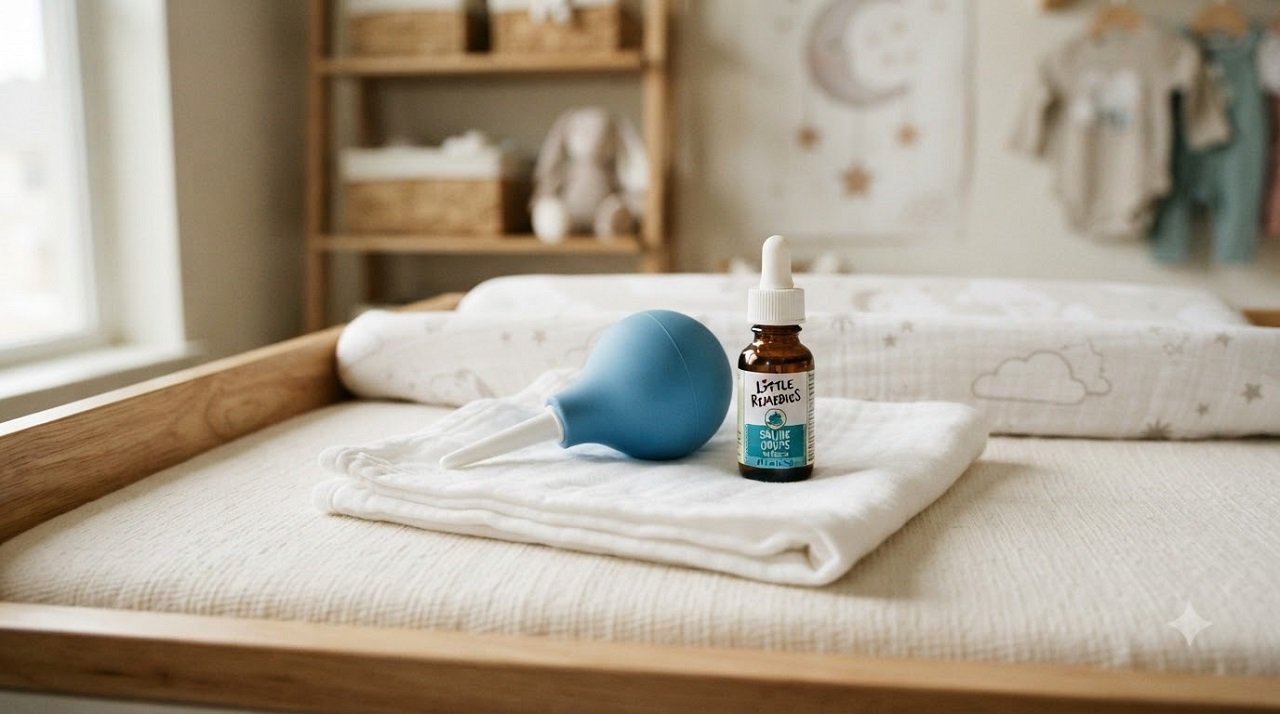
Learning the correct nasal suctioning technique helps you clear your congested infant’s airway effectively without causing irritation.
Bulb Syringe Usage Guide
Start by placing a few saline drops in your baby’s nose to loosen the mucus, and wait about a minute before suctioning — this single step makes the entire process meaningfully more effective and more comfortable for your baby.
To use the bulb syringe: squeeze the bulb first to push the air out, gently place the tip just inside one nostril (never insert it deeply), and slowly release your grip on the bulb to draw the loosened mucus out. Repeat on the other side as needed.
“You can use a bulb syringe up to four times within 24 hours to clear out baby’s nose.” — Danelle Fisher, MD, pediatrician at Providence Saint John’s Health Center, Santa Monica, CA
This four-times-in-24-hours guidance reflects a broad pediatric consensus, since infant nasal tissue is thin, delicate, and rich in small blood vessels — suctioning more frequently than this can irritate the lining and paradoxically make congestion feel worse rather than better. Use the bulb syringe only when your baby is visibly congested, not on a fixed schedule regardless of symptoms, and prioritize timing sessions before feeds and before sleep, when clear breathing matters most.
A note on aspirator choice: some pediatric practices now recommend nasal aspirators (including narrow-tip manual or electric styles) over traditional wide bulb syringes, since a bulb syringe’s shape can make it hard to see exactly where the tip sits inside a small nostril. If you find a bulb syringe difficult to use precisely, a soft-tip nasal aspirator is a reasonable, widely available alternative that works on the same saline-first, gentle-suction principle.
Common Suctioning Mistakes to Avoid
- Don’t insert the syringe or aspirator tip too far into the nostril, as this can irritate the delicate nasal passage or cause minor bleeding
- Avoid over-suctioning beyond the up-to-four-times-daily guidance, since this can inflame the nasal lining rather than relieve it
- For babies who resist suctioning strongly, saline drops alone — without following up with suction — can still provide meaningful relief by thinning mucus so it drains more naturally
Always clean the syringe or aspirator thoroughly with warm soapy water after each use, rinse well, and let it dry completely before the next use, since trapped moisture can encourage mold growth inside the device.
Humidifier and Vaporizer Solutions
Humidifiers and vaporizers add moisture to the air, which helps thin mucus and makes it easier for a congested baby to breathe. Cool-mist humidifiers are generally considered the safer choice for infant nurseries, since they eliminate the burn risk that comes with warm-mist devices and hot water.
Place the humidifier in your baby’s room but out of reach of the crib, clean it daily following the manufacturer’s instructions to prevent mold and bacterial growth, and keep the room at a comfortable, moderate temperature — overheating a baby’s room can worsen discomfort rather than help it.
| Humidifier Type | Pros | Cons |
|---|---|---|
| Cool-Mist | Safer for infants due to no hot water or steam; may help ease coughing and congestion | Requires more frequent cleaning to prevent mold growth |
| Warm-Mist | Equally effective at adding moisture to the air | Hot water and steam pose a genuine burn risk around infants and should be used with particular caution, if at all, in a nursery |
Choosing between a cool-mist humidifier and a warm-mist vaporizer largely comes down to safety around a curious, mobile baby — cool-mist is the more broadly recommended option for infant rooms specifically. Whichever you choose, consistent daily cleaning is what determines whether the device helps or ends up circulating mold and bacteria into the air your baby breathes.
Safe Sleep Positions for Congested Infants

It’s especially important to keep a baby’s sleep environment genuinely safe when they’re congested, since the instinct to prop a baby up or elevate their head to help them “breathe easier” is common — but it runs directly against established infant safe sleep guidance.
Understanding SIDS Risk Factors
Sudden Infant Death Syndrome (SIDS) is the sudden, unexplained death of an infant under one year old, and it remains one of the leading causes of infant mortality in the U.S. Documented risk factors include stomach or side sleeping, soft bedding in the sleep area, overheating, and exposure to smoke. The single most protective, consistently recommended practice from pediatric safe sleep guidelines is placing babies on their backs for every sleep, every time — a rule that does not change when a baby has a stuffy nose.
A Common Myth Worth Addressing Directly: Elevated Sleeping Position
Many parents specifically search for whether propping a congested baby up, or using an inclined or elevated sleep surface, helps them breathe more easily at night. It’s an understandable instinct — elevation does help clear sinuses in adults — but for infants specifically, pediatric safe sleep guidance is explicit on this point: elevated, inclined, or propped sleep surfaces are not recommended for infant sleep, congested or not. This includes inclined sleepers, car seats used for routine sleep, swings, and any pillow, wedge, or positioner used to raise a baby’s head. These surfaces can allow an infant’s head to fall forward in a way that restricts their airway, and several inclined infant sleeper products have been recalled in recent years following infant deaths linked to this exact risk. If your baby is congested, the safe approach is a firm, flat sleep surface combined with saline and gentle suctioning before bedtime — not an elevated position.
Proper Sleep Environment Setup
Setting up a genuinely safe sleep space for a congested infant means avoiding inclined sleepers, car seats, or swings as a routine sleep location, since these can compress or block the airway. Don’t use pillows, wedges, or positioners to lift the head under any circumstance. Instead, use a firm, flat sleep surface with a well-fitted sheet and no other bedding.
Dress the baby in warm, breathable sleep clothing (such as a wearable blanket) rather than using loose blankets, and keep the room at a comfortable, moderate temperature rather than overheating it in an effort to help with congestion.
| Safe Sleep Practices | Unsafe Sleep Practices |
|---|---|
| Placing baby on their back to sleep, every time | Stomach or side sleeping |
| Using a firm, flat mattress with a fitted sheet only | Soft bedding, pillows, or loose blankets |
| Dressing in warm, breathable sleep clothing | Inclined sleepers, car seats, or swings used for routine sleep |
| Maintaining a comfortable, moderate room temperature | Using pillows, wedges, or props to elevate the head |
“Ensuring a safe sleep environment is critical for infants, even more so when they have a stuffy nose.” — Common pediatric safe-sleep guidance, reflecting AAP safe sleep recommendations
Hydration and Feeding Tips During Congestion

Staying well-hydrated genuinely helps thin mucus, making it easier for a congested baby to breathe. For babies under 6 months, this means continuing regular breastfeeding or formula feeding — there’s no need for additional water, which isn’t recommended for babies this young. Babies older than 6 months who have started solids can also have small amounts of water alongside their usual feeds if your pediatrician has already introduced water into their routine.
If congestion is making it hard for your baby to latch or feed normally, try clearing their nasal passages with saline and gentle suctioning shortly before the feed — this alone often makes feeding considerably easier. If breastfeeding directly becomes difficult during a bad congestion episode, expressing milk into a bottle or cup can help ensure your baby still gets adequate nutrition and hydration.
Offering more frequent, smaller feeds — rather than fewer large ones — can also help a congested baby stay comfortably nourished without becoming overwhelmed by nasal blockage mid-feed.
“Continuing to breastfeed is recommended during a cold or stuffy nose, as breast milk provides antibodies that can support a baby’s immune response.” — Reflecting guidance commonly given by pediatric nurse practitioners on maintaining breastfeeding through minor illness
Keep a close eye on wet diaper counts and overall feeding intake while your baby is congested, and contact your pediatrician if you’re concerned about hydration or if feeding refusal persists.
Steam Therapy and Bathroom Techniques
A steamy bathroom can provide short-term relief for a congested baby by loosening mucus in a similar way to a cool-mist humidifier, just more intensely and for a shorter session.
Creating a Steam Environment
Run a hot shower with the bathroom door closed to build up steam, then sit with your baby in the steamy (but not overly hot) room for a few minutes, holding them close. This can help loosen mucus and ease breathing, and many parents find doing this shortly before bedtime helps their baby settle more comfortably.
Safety Precautions During Steam Sessions
- Make sure the room doesn’t become uncomfortably hot — infants can’t regulate temperature as effectively as adults and overheating is a genuine risk
- Never leave your baby unattended in a steamy bathroom, given the risk of scalding from hot surfaces or water
- Avoid vapor rub products on infants — pediatric guidance from the American Academy of Pediatrics specifically recommends topical vapor rubs only for children older than age 2, not for infants, due to safety concerns at younger ages
- Consider a cool-mist humidifier as a gentler, more sustainable daily alternative to occasional steam sessions
If congestion persists or worsens despite steam therapy, reach out to your pediatrician rather than relying on this as an ongoing solution.
Natural Alternatives to Over-the-Counter Medications
Managing infant nasal congestion safely means avoiding over-the-counter cold medications, which carry real risk for young children and are not considered safe or effective for children under 4 — and in most pediatric guidance, under 6. In fact, OTC cold medications intended for children under age 2 were pulled from U.S. store shelves in 2008 following safety concerns, and clinical evidence has never strongly supported their effectiveness even in slightly older children.
Instead, several gentler, evidence-informed options exist:
- Breast milk as a natural decongestant: Some parents use a few drops of expressed breast milk in the nose, based on the reasoning that it may carry mild antibody and anti-inflammatory properties. This is a longstanding traditional practice rather than one backed by controlled clinical trials, but it carries essentially no risk and is a reasonable option many parents choose to try.
- Honey — but only after 12 months: Honey can help soothe a cough in children over 12 months old, but it must never be given to a baby younger than 12 months, in any form — not raw, not baked into food, not even a small taste on a pacifier. This isn’t a cautious suggestion; it’s a firm safety rule. Honey can contain Clostridium botulinum spores which, in a baby’s immature digestive system, can germinate and produce a toxin causing infant botulism — a rare but genuinely serious illness. An infant’s mature gut microbiome after the first year is what makes honey safe from that point forward, which is exactly why the 12-month cutoff exists.
- Saline nasal drops and suctioning: Covered in full detail above — a safe, medication-free option appropriate for babies of any age.
- Cool-mist humidifiers: Also covered above — a consistent way to help keep nasal passages moist and support natural drainage.
“The AAP does not recommend giving honey to infants under 12 months of age because it could contain a bacterium that causes infant botulism.” — American Academy of Pediatrics, AAP News
Always check with your pediatrician before trying any new remedy, even a natural one, particularly if your baby has any underlying health condition or was born prematurely.
Warning Signs and When to Call the Doctor
Home remedies genuinely help with most infant congestion, but knowing when to escalate to your pediatrician — or emergency care — matters just as much as knowing the remedies themselves.
Call your pediatrician if your baby has persistently fast or labored breathing, a cough that won’t let up, or a fever lasting more than three days. Also reach out if you notice signs of dehydration, such as noticeably fewer wet diapers than usual, unusual lethargy, or a sunken soft spot on the head.
Seek emergency medical care immediately if your baby shows bluish discoloration around the lips or face, has visible difficulty breathing (including chest pulling in with each breath, grunting sounds, or pauses in breathing), or seems unusually unresponsive or difficult to wake.
Healthy infants typically get around six colds in their first year of life, and most resolve within a week to ten days with basic home care. Babies under 3 months with any fever or notable change in behavior should be evaluated by a pediatrician promptly, since very young infants can decline more quickly than older babies. Babies with underlying conditions such as chronic lung disease or a compromised immune system may need a lower threshold for seeking care — if you’re ever unsure, it’s always reasonable to call your pediatrician’s office and ask.
Conclusion
Managing a stuffy nose in your infant comes down to a combination of patience and genuinely safe, evidence-informed techniques. Saline drops, gentle nasal suctioning, a cool-mist humidifier, and attentive hydration and feeding support cover the vast majority of what most babies need to get through a congested stretch comfortably. Just as important is keeping your baby’s sleep environment safe throughout — flat, firm, and on their back, without inclines, props, or elevated positions, even when congestion makes that instinct to prop them up feel tempting.
Most infant nasal congestion resolves at home within a week or so with this kind of consistent, gentle care. Understanding the causes, recognizing the warning signs that warrant a call to your pediatrician, and sticking to remedies with a genuine safety profile for this age group gives you a clear, confident path through a situation that, while stressful in the moment, is almost always temporary and manageable.
People Also Ask
What are the fastest ways to relieve a stuffy nose in a newborn?
Saline drops followed by gentle bulb syringe suctioning, timed just before a feed or before sleep, tend to provide the fastest noticeable relief. Running a cool-mist humidifier in the room overnight supports ongoing relief between suctioning sessions.
Is it safe to use a humidifier every night for a congested baby?
Yes, a cool-mist humidifier is generally considered safe for nightly use, provided it’s cleaned daily to prevent mold and bacterial buildup and placed safely out of the crib’s reach.
Can I put my congested baby to sleep in an inclined position?
No — despite feeling like a natural way to ease breathing, elevated or inclined sleep surfaces are not recommended for infants, congested or not, due to a documented risk of the airway becoming restricted. Always use a firm, flat surface for infant sleep.
When should I worry about my baby’s stuffy nose?
Worry warrants a pediatrician call when congestion comes with labored or rapid breathing, bluish lips or face, a fever lasting more than three days, or refusal to feed. These go beyond typical mild congestion and deserve prompt medical evaluation.
Does breast milk really work as a natural decongestant?
It’s a widely used traditional practice, and it carries essentially no risk, but it isn’t backed by strong controlled clinical research the way saline solution is. Many parents find it a reasonable, gentle option to try alongside saline drops.
Frequently Asked Questions
What are some common home remedies for a stuffy nose in infants?
Home remedies include saline nasal spray or drops, gentle nasal suctioning with a bulb syringe or aspirator, cool-mist humidifiers, occasional steam therapy, and keeping the baby well-hydrated through continued breastfeeding or formula feeding.
What are the common causes of nasal congestion in infants?
Viral infections like the common cold and flu are the most common cause. Allergies, dry indoor air, and environmental irritants such as smoke also play a role.
What are the signs and symptoms of concerning infant congestion?
Watch for labored or rapid breathing, feeding difficulties, disturbed sleep, and bluish discoloration around the lips or face. Seek prompt medical attention if your baby shows any signs of breathing distress.
How can I ensure safe breathing for my congested infant?
Always place the baby on their back to sleep, on a firm, flat surface without soft bedding or inclines. Keep the room at a comfortable, moderate temperature and dress your baby in breathable sleep clothing rather than loose blankets.
How do I use saline drops to help relieve nasal congestion?
Place 2–3 drops of saline solution in each nostril, ideally before feeding or sleep. Tilt the baby’s head back slightly, wait about 30–60 seconds, then follow with gentle suctioning if needed.
What is the proper technique for using a bulb syringe to suction out mucus?
Squeeze the bulb before inserting the tip just inside the nostril, then slowly release to draw out the loosened mucus. Use up to four times in 24 hours, and clean the syringe thoroughly with soap and water after each use.
How can a humidifier or vaporizer help with infant nasal congestion?
Cool-mist humidifiers add moisture to the air, which helps thin mucus and eases stuffy noses. Place the device safely out of the crib’s reach and clean it daily to prevent mold growth.
Are there any natural alternatives to over-the-counter cold medicines for infants?
Yes — saline drops and suctioning, cool-mist humidifiers, and a few drops of expressed breast milk are commonly used natural alternatives. Honey can help with cough relief, but only for babies over 12 months, never younger, due to infant botulism risk. Over-the-counter cold medicines should be avoided for children under 4.
When should I seek medical attention for my baby’s nasal congestion?
Seek immediate medical attention if your baby has difficulty breathing or bluish discoloration of the lips or face. Call your pediatrician for persistently fast breathing, a cough that won’t let up, or congestion accompanied by fever lasting more than three days.
Scientific References
- American Academy of Pediatrics. Simple remedies often best for common colds in young children. AAP News. https://publications.aap.org/aapnews/article/32/12/32/24012/Simple-remedies-often-best-for-common-colds-in
- HealthyChildren.org (American Academy of Pediatrics). My baby has a stuffy nose. How can I help them sleep safely? https://www.healthychildren.org/English/tips-tools/ask-the-pediatrician/Pages/my-baby-has-a-stuffy-nose-how-can-i-help-them-sleep-safely.aspx
- Eunice Kennedy Shriver National Institute of Child Health and Human Development (NICHD). Safe to Sleep: About SIDS and Safe Infant Sleep. https://safetosleep.nichd.nih.gov/about/sids-definition
- Centers for Disease Control and Prevention (CDC). Infant Botulism. https://www.cdc.gov/botulism/infant-botulism.html
- Cleveland Clinic. Why Honey Isn’t Safe for Babies (and When It Is). https://health.clevelandclinic.org/when-is-it-safe-to-give-honey-to-my-baby
- Mayo Clinic. Warm-mist versus cool-mist humidifier: Which is better for a cold? https://www.mayoclinic.org/diseases-conditions/common-cold/expert-answers/cool-mist-humidifiers/faq-20058199
- Mayo Clinic. A baby’s nose and throat viral infection — Common cold in babies: Diagnosis & treatment. https://www.mayoclinic.org/diseases-conditions/common-cold-in-babies/diagnosis-treatment/drc-20351657
- Nationwide Children’s Hospital. Suctioning the Nose with a Bulb Syringe. https://www.nationwidechildrens.org/family-resources-education/health-wellness-and-safety-resources/helping-hands/suctioning-the-nose-with-a-bulb-syringe
- U.S. Consumer Product Safety Commission (CPSC). Safe Sleep for Babies — Inclined Sleep Product Recalls and Guidance. https://www.cpsc.gov/Safety-Education/Safety-Education-Centers/cribs
- Cincinnati Children’s Hospital. Helping Baby’s Congestion: Tips for Using Bulb Syringes. https://blog.cincinnatichildrens.org/healthy-living/helping-babys-congestion-tips-for-using-bulb-syringes/
This article is for informational purposes only and is not a substitute for professional medical advice. Infants are a medically vulnerable group — always consult your pediatrician before trying any home remedy, and seek immediate medical care if your baby shows any signs of breathing difficulty.
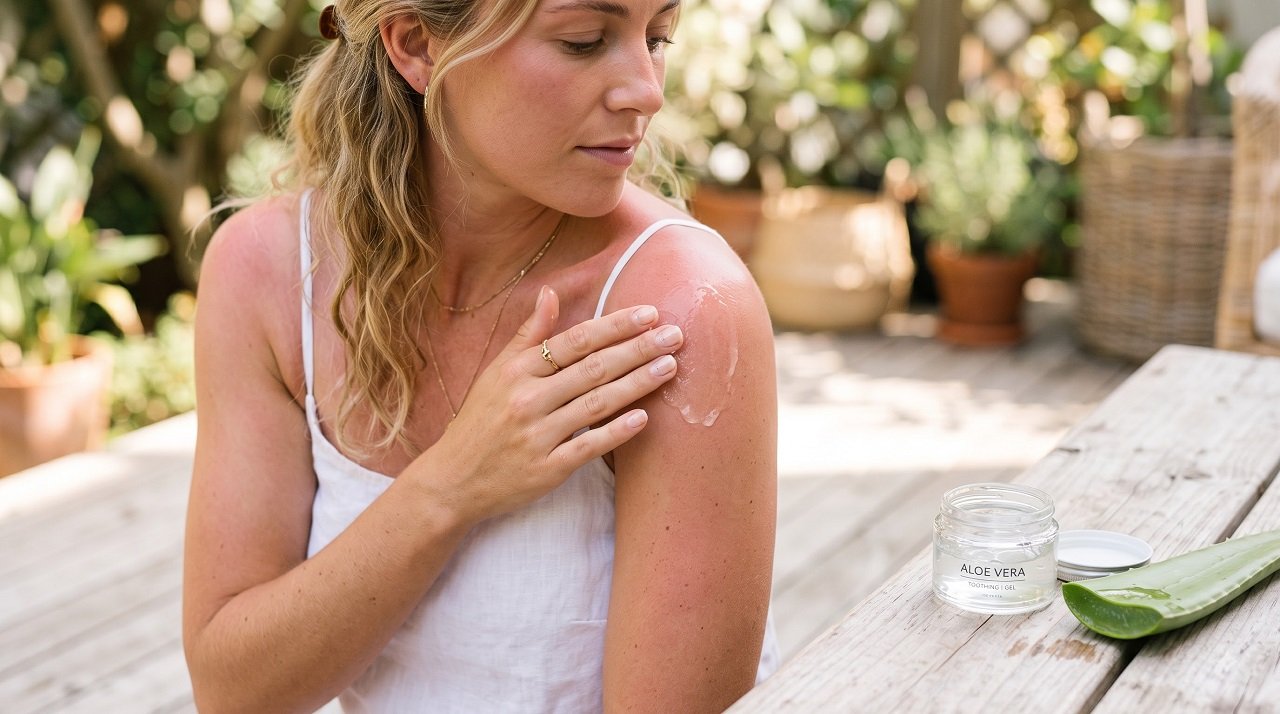
Disclaimer: This article is for informational purposes only and is not a substitute for professional medical advice. Aloe vera can soothe mild sunburn discomfort but does not treat sun damage itself. Severe burns, blistering, fever, or signs of infection require prompt medical attention.
Quick answer: For the first 24–48 hours after a sunburn, a lightweight, water-based aloe vera gel is the better choice — it cools the skin instantly and won’t trap heat the way heavier, oil-based creams can. Once the burn moves into the peeling and repair stage, usually from day 2 or 3 onward, switching to a richer aloe vera cream or moisturizer helps rebuild the skin barrier and manage flaking. Neither product treats the underlying UV damage — they manage symptoms while your skin does the actual healing.
That’s the short version. Below is the full breakdown of why the formulation matters as much as the aloe itself, what the clinical research actually shows, and exactly when to switch from one to the other.
Aloe Vera Gel vs. Cream: Comparison Table
| Factor | Aloe Vera Gel | Aloe Vera Cream |
|---|---|---|
| Base formulation | Water-based, lightweight, often 90%+ pure aloe | Oil-in-water emulsion, contains oils/butters alongside aloe |
| Immediate cooling effect | Strong — evaporative cooling as the water base dries on skin | Mild — oils slow evaporation, so less immediate cooling |
| Risk of heat trapping | Low, especially alcohol-free formulas | Higher — occlusive ingredients can trap surface heat if applied too soon on an actively hot burn |
| Skin barrier repair | Moderate — hydrates but doesn’t replace lost lipids | Stronger — added emollients help rebuild the lipid barrier during peeling |
| Best healing stage | Hours 0–48, the acute inflamed stage | Day 2 onward, the repair and peeling stage |
| Absorption speed | Fast, non-greasy | Slower, richer feel |
| Suitability for peeling skin | Adequate but can feel drying on already-flaking skin | Better — richer texture cushions and softens flaking skin |
| Common irritants to check for | Added alcohol, fragrance, menthol | Fragrance, certain preservatives, thick occlusive waxes on very fresh burns |
Why the Formulation Matters as Much as the Aloe Itself
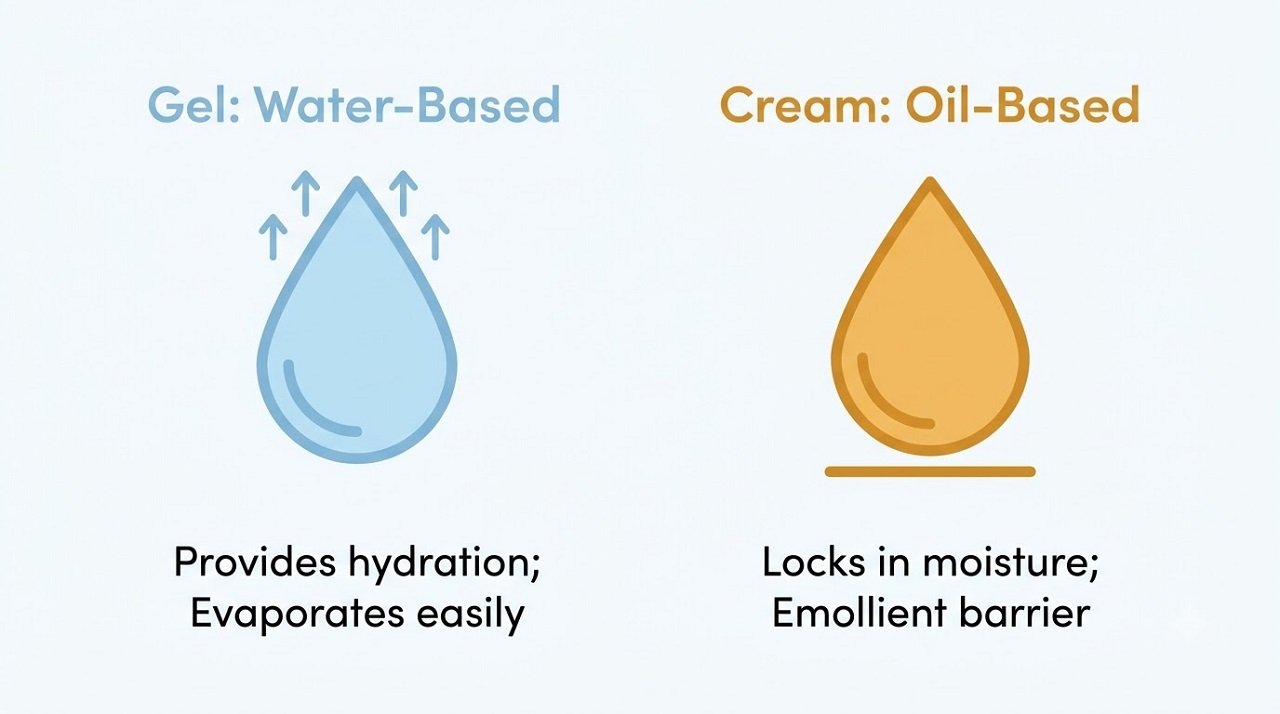
Nearly every article on this topic treats “aloe vera gel” and “aloe vera cream” as basically the same product in a different bottle, since both list aloe as the headline ingredient. But the vehicle — meaning the base formulation the aloe is suspended in — meaningfully changes how the product behaves on sunburned skin, and this is the detail that actually answers the “gel vs. cream” question.
A gel is typically a water-based, lightweight formulation. When applied to hot, sunburned skin, the water content begins evaporating almost immediately, and that evaporation pulls heat away from the skin surface — the same cooling principle behind why a wet cloth feels cooler than a dry one. This is why gel produces that instant, soothing, cooling sensation people associate with aloe vera specifically.
A cream, by contrast, is generally an oil-in-water emulsion — it contains oils, butters, or other emollient ingredients alongside water and aloe. These ingredients are more occlusive, meaning they sit on the skin surface and slow moisture loss rather than evaporating quickly. That’s genuinely useful for locking hydration into skin during the repair phase, but applied to an acutely hot, actively inflamed sunburn in the first few hours, a heavier occlusive layer can trap surface heat rather than helping release it — which is why dermatologists commonly steer people toward gel first and cream second, rather than treating the two as interchangeable.
What the Research Actually Shows About Aloe Vera and Burn Healing
This is worth covering directly, because it’s the part most consumer articles either skip or overstate. A 2024 systematic review and meta-analysis published in the Journal of Burn Care & Research, which pooled nine randomized controlled trials, found that topical aloe vera significantly reduced burn wound healing time by an average of 3.76 days compared to other topical treatments. A separate 2022 meta-analysis focused specifically on second-degree burns, involving 133 patients across multiple trials, found aloe vera reduced healing time by an average of 4.44 days compared to alternative treatments.
Two nuances from this same research are worth being upfront about, since they temper the more sweeping claims often made about aloe.
First, the same 2024 meta-analysis found no statistically significant difference in pain reduction between aloe vera and control treatments — meaning while aloe measurably speeds healing, its pain-relieving effect specifically hasn’t been clearly demonstrated in pooled trial data, even though many people report it feels soothing in the moment.
Second, and directly relevant to this comparison: this research base is built almost entirely around aloe vera gel and raw aloe applied to burns and wounds, not commercial aloe-containing creams or lotions. A frequently cited 2005 study specifically found that a 70% aloe vera lotion showed no measurable benefit for sunburn compared to a placebo lotion — a meaningful finding, since it suggests that once aloe is diluted and blended into a heavier, more complex cream or lotion formulation, its concentration and the surrounding ingredients matter considerably, and the healing benefit doesn’t automatically transfer just because “aloe vera” appears on the label.
The practical takeaway: if you want the aloe itself to be doing genuine work, look for a high-concentration, simple aloe vera gel — ideally 90% or higher pure aloe content — during the acute stage, rather than assuming any product with aloe listed among ten other ingredients will provide the same effect.
Phase-by-Phase: When to Use Which
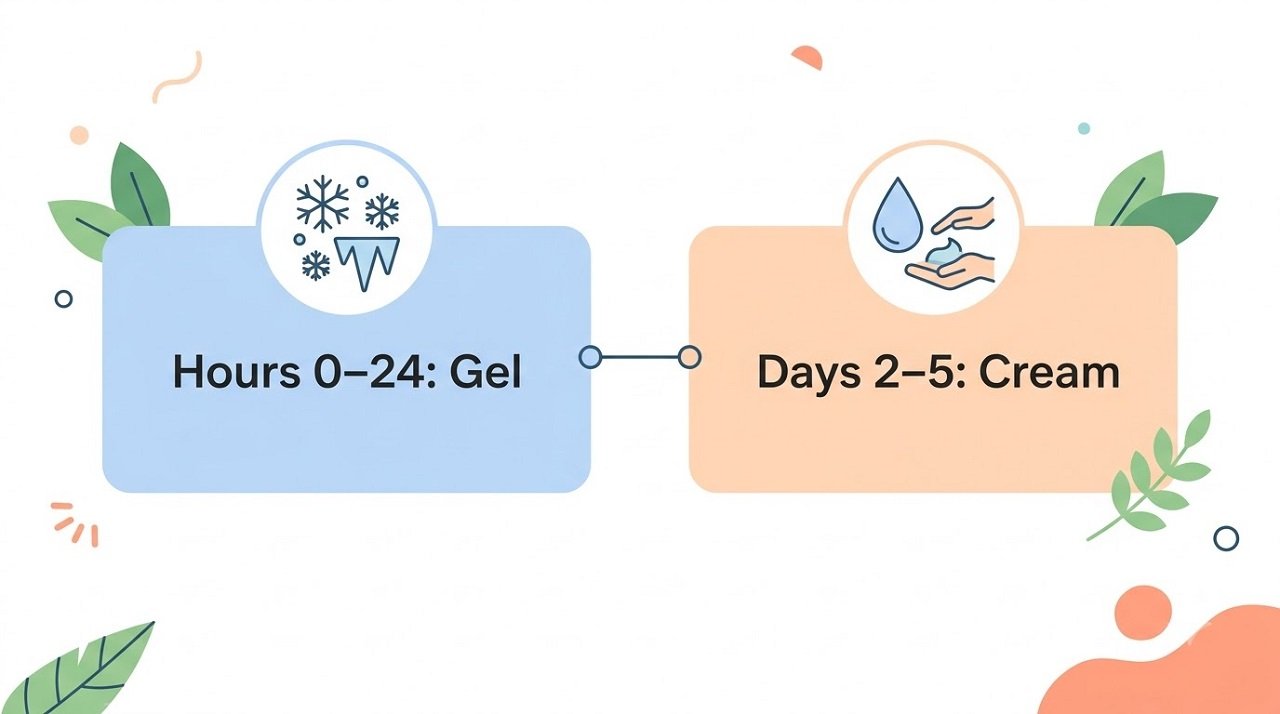
Phase 1 (Hours 0–24): Gel Is the Right Choice
In the first 24 hours, sunburned skin is actively inflamed, often genuinely warm to the touch, and highly sensitive. This is where a water-based aloe vera gel does its best work — the evaporative cooling effect provides real, immediate relief, and its lightweight texture won’t add an occlusive layer on top of skin that’s still radiating heat. Apply a generous, even layer of alcohol-free, fragrance-free aloe vera gel directly to the affected area every few hours, and store the gel in the refrigerator if you’d like an extra cooling boost on application.
Avoid anything oil-heavy, thick, or occlusive during this window — this includes most traditional creams, petroleum-based ointments, and heavier body butters, since these can trap heat against skin that’s still trying to release it.
Phase 2 (Days 2–5): Transition to Cream
Once the acute heat and initial inflammation have settled — typically by day two or three — the skin’s priorities shift toward repair, and this is where peeling commonly begins as damaged surface cells shed. This is the point to transition toward a richer aloe vera cream or a plain, fragrance-free moisturizer with aloe as one of several barrier-supporting ingredients.
The oils and emollients that were a liability in Phase 1 become genuinely useful here — they help replace lipids in a skin barrier that UV damage has disrupted, and the thicker texture physically cushions and softens flaking, peeling skin rather than letting it feel tight and dry. Continue moisturizing generously through the peeling process; resist the urge to pick at peeling skin, since this is simply your body clearing away UV-damaged cells and interfering with it can slow healing or increase irritation.
Ingredients to Avoid on Sunburned Skin
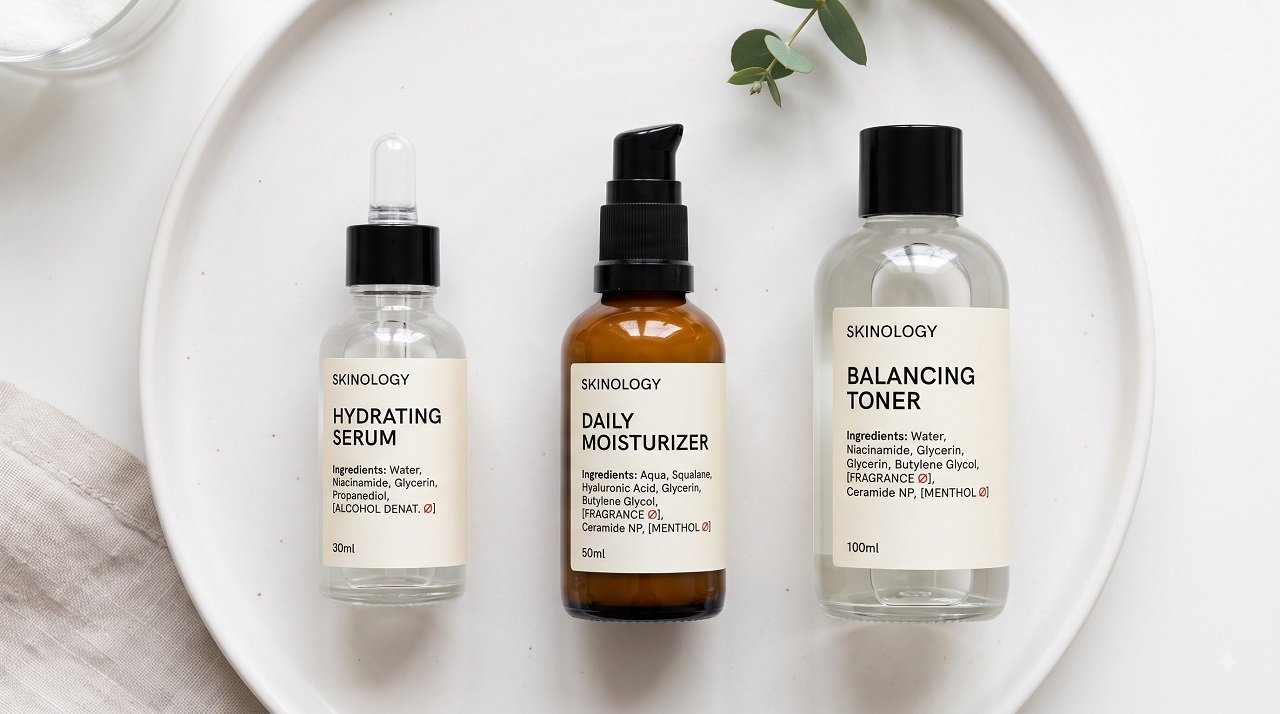
Regardless of whether you choose gel or cream, certain ingredients can make sunburned skin considerably more uncomfortable and should generally be avoided while skin is actively healing.
Alcohol, listed on labels as denatured alcohol, isopropyl alcohol, or similar, has a drying and often stinging effect on already-compromised skin — some aloe gels include it for a quicker-drying finish, which is worth checking for on the ingredient list. Fragrance and added dyes are common irritants on sensitive, inflamed skin and offer no functional benefit.
Menthol or “cooling” additives beyond aloe itself can occasionally cause a stinging sensation on broken or very sensitive skin, even though they’re marketed for their cooling effect. Petroleum-based occlusive ointments applied too early, similarly to heavy creams, can trap heat during the acute inflammatory stage, though they become more reasonable once skin has cooled and moved into the repair phase.
People Also Ask
Is gel or lotion better for a sunburn?
Gel is generally the better choice, particularly in the first 24–48 hours. Its water-based formulation cools skin through evaporation and won’t trap heat the way a heavier lotion or cream can on freshly burned, still-warm skin.
Does cream trap heat in a sunburn?
It can, if applied too soon. Cream’s oil-based, more occlusive formulation is designed to slow moisture loss and lock in hydration, which is genuinely helpful once the acute heat has settled, but applied directly to actively hot, inflamed skin in the first several hours, it can trap surface heat rather than allowing it to release.
Can I mix aloe vera gel and cream together?
There’s no harm in it, though it somewhat defeats the purpose of using each at its intended stage. If you’d like, use plain gel during the acute cooling phase, then switch fully to cream once the burn has settled and peeling begins, rather than combining them simultaneously.
How long should I use aloe vera gel before switching to cream?
Roughly 24–48 hours for most mild-to-moderate sunburns, or once the skin no longer feels acutely hot or actively inflamed. From that point through the peeling and repair stage — often another 3 to 5 days — a richer aloe vera cream or moisturizer generally serves the skin better.
Does real aloe vera plant gel work better than store-bought gel?
Fresh gel scooped directly from an aloe leaf is genuinely effective and was the basis for much of the traditional and early clinical use of aloe for burns. Store-bought gel works comparably well provided it has a high aloe concentration (ideally 90%+) and is free of alcohol, fragrance, and unnecessary additives — the concentration and purity matter more than whether it came from a bottle or a leaf.
When Aloe Vera Isn’t Enough
Aloe vera, whether in gel or cream form, is appropriate for mild-to-moderate sunburns — the kind that cause redness, warmth, and surface discomfort without deeper tissue involvement. It is not a substitute for medical care in more serious cases.
Seek medical attention if your sunburn involves blistering over a significant area, is accompanied by fever, chills, nausea, or a headache (signs of possible sun poisoning or heat illness), causes significant swelling, shows signs of infection such as increasing pain, pus, or spreading redness, or covers a large percentage of your body, particularly in a young child or older adult. In these cases, aloe vera can still be used for comfort on unaffected surrounding skin, but the burn itself needs professional evaluation rather than home management alone.
Frequently Asked Questions
Q: Will aloe vera prevent my sunburn from peeling?
Not entirely — peeling is your body’s natural process of shedding UV-damaged skin cells and will happen to some degree with any sunburn beyond the mildest cases. However, keeping skin consistently moisturized with a good aloe vera cream during the repair phase can reduce how dry, tight, and uncomfortable the peeling process feels, and may help it happen more evenly.
Q: Is 100% aloe vera gel better than gel with other ingredients?
For the acute cooling stage, simpler is generally better — a high-concentration aloe gel with minimal added ingredients reduces the chance of irritation on already-sensitive skin and reflects the concentration levels used in the clinical research showing genuine wound-healing benefit.
Q: Can I use aloe vera gel on a sunburned face?
Yes, aloe vera gel is generally safe for facial sunburn, provided it’s a gentle, fragrance-free formulation. Be mindful around the eyes, and patch-test on a small area first if you have particularly sensitive skin or a history of reactions to aloe.
Q: How often should I apply aloe vera gel to a fresh sunburn?
Every 2–3 hours during the first day is a reasonable frequency for most mild-to-moderate sunburns, tapering to 2–3 times daily as the acute heat and redness settle and you transition toward a richer cream for the remaining healing period.
Scientific References
- Dat AD, Poon F, Pham KB, Doust J. Aloe vera for treating acute and chronic wounds. Cochrane Database of Systematic Reviews. https://pubmed.ncbi.nlm.nih.gov/25742221/
- Effects of Aloe vera on Burn Injuries: A Systematic Review and Meta-Analysis of Randomized Controlled Trials. Journal of Burn Care & Research. 2024. https://pubmed.ncbi.nlm.nih.gov/38605441/
- Second-Degree Burns and Aloe Vera: A Meta-analysis and Systematic Review. Advances in Skin & Wound Care. 2022. https://pubmed.ncbi.nlm.nih.gov/36264753/
- Cleveland Clinic. Is Aloe Vera Good for Sunburn? Interview with Lindsey Moore, MD. https://health.clevelandclinic.org/aloe-vera-for-sunburn
- American Academy of Dermatology Association. How to Treat Sunburn. https://www.aad.org/public/everyday-care/injured-skin/burns/treat-sunburn
- National Center for Complementary and Integrative Health (NIH). Aloe Vera. https://www.nccih.nih.gov/health/aloe-vera
This article is for informational purposes only and is not a substitute for professional medical advice. Aloe vera can soothe mild sunburn discomfort but does not treat sun damage itself. Severe burns, blistering, fever, or signs of infection require prompt medical attention.


Dental Health Docu-Class

Effective Natural Remedies for Allergies and Sinus Congestion You Need to Try

Nervous System & Emotional Well-Being Global Summit

PEMF Webinar

Why You Can’t Trust Big Pharma

The Anti-Cancer Body with Dr. Michael Karlfeldt
-
 Events5 days ago
PEMF Webinar
-
 Events4 months ago
Why You Can’t Trust Big Pharma
-
 Events4 months ago
The Anti-Cancer Body with Dr. Michael Karlfeldt
-

 Natural Sleep Remedies4 months ago
The 4-7-8 Breathing Technique: Step-by-Step Guide and What the Research Actually Shows
-

 Events3 months ago
The Cancer Conversation Your Oncologist Cannot Have in 15 Minutes
-

 Events5 months ago
Beyond the Brain
-

 Events1 month ago
HBOT ( Hyperbaric Oxygen Therapy ) Webinar
-

 Gut Health4 months ago
Unlock Incredible Gut Health Hacks and Transform Your Well-being Today!