
Health Tips
Nutrition Basics: A Science-Backed Guide to Building a Balanced Diet

The content on this website – including articles, event announcements, personal experiences, and recommendations – is for informational and educational purposes only and is not medical advice. Always consult a qualified healthcare professional before making any changes to your diet, exercise, supplements, sleep habits, or wellness routines, especially if you are pregnant, nursing, on medication, or have any medical condition.

Important note: This article provides general educational information about nutrition and does not constitute medical or dietary advice. Nutritional needs vary based on individual health conditions, medications, and life stage. If you have diabetes, kidney disease, heart disease, or another condition that affects diet, work with your doctor or a registered dietitian before making significant changes to your eating habits.
Most nutrition advice online falls into one of two camps: oversimplified (“just eat more vegetables!”) or so technical it’s unusable. Neither actually helps you decide what to put on your plate tonight. This guide sits in the middle — real mechanisms, real numbers, and where the science is genuinely settled versus still debated.
What Nutrition Actually Means
Nutrition is the process of your body breaking down food and using what it needs — energy, building materials, chemical messengers — while getting rid of the rest. Everything else in this guide is really just detail on that one sentence.
Nutrients split into two buckets:
- Macronutrients — protein, carbohydrates, and fat. You need these in large amounts (grams, not milligrams) because they supply energy and raw material for your tissues.
- Micronutrients — vitamins and minerals. You need these in tiny amounts, but they’re not optional; several run essential chemical reactions that macronutrients can’t do alone.
One detail that rarely makes it into basic nutrition guides: not all of a nutrient you eat actually gets used. This is called bioavailability. Iron from meat, for instance, is absorbed far more efficiently than iron from spinach — pairing plant iron with a source of vitamin C (like citrus) measurably improves how much your body actually takes up. Bioavailability is one reason “just eat the nutrient” advice can be misleading — the form and the context you eat it in matters.
Calories: The Part Everyone Oversimplifies
A calorie is just a unit of energy. Your body needs a certain number per day to run itself, and the food you eat supplies that. The basic relationship — eat more than you burn and you gain weight, eat less and you lose it — is real, but it’s also where most oversimplification happens.
What actually determines your calorie needs is your metabolism: the sum of every chemical process converting food into usable energy. Roughly 60-75% of the calories you burn each day come from your resting metabolic rate — the energy your body spends just keeping you alive — not from exercise. That’s why extreme workout regimens without dietary changes often produce disappointing results, and why extreme calorie restriction backfires: your body responds to prolonged deficits by lowering its resting energy expenditure, which is part of why crash diets are so hard to sustain and so easy to rebound from.
Building an Actual Balanced Meal

The USDA’s current model (MyPlate) is a reasonable, evidence-based starting point: roughly half your plate as fruits and vegetables, a quarter as protein, a quarter as whole grains, with a side of dairy or a dairy alternative. It’s not a rigid rule, but it’s a far better default than most of what circulates on social media.
A few things worth knowing beyond “eat the food groups”:
- Hydration affects more than thirst. Even mild dehydration (as little as 1-2% of body weight in fluid loss) measurably impairs concentration and physical performance — this is well-documented in exercise physiology research, not just a wellness talking point.
- Meal planning reduces decision fatigue, which is a bigger deal than it sounds — most poor food choices happen when you’re tired, rushed, or haven’t decided in advance, not because you don’t know vegetables are good for you.
Reading a Nutrition Label Without Getting Fooled
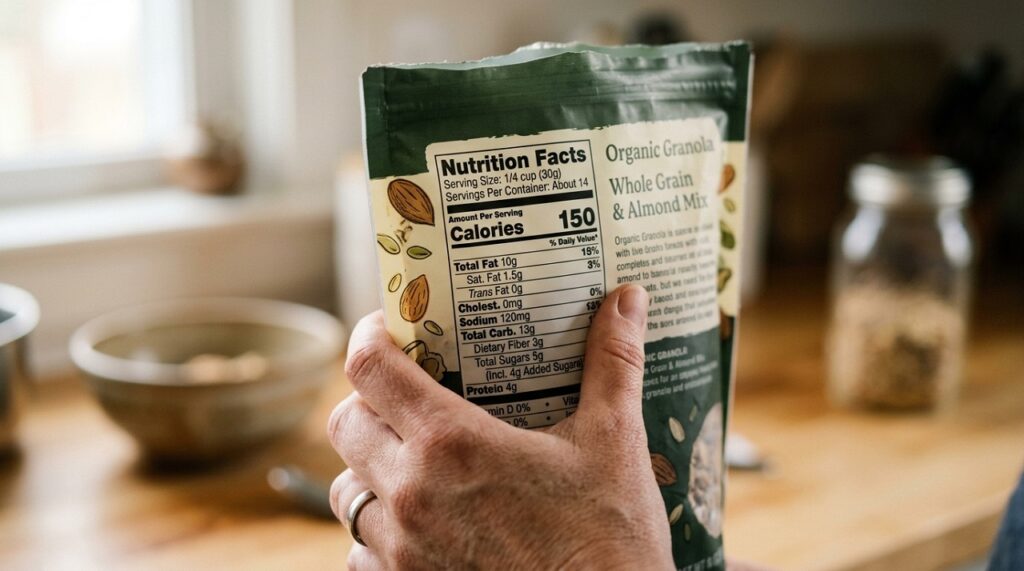
Three things matter more than anything else on the label:
- Serving size first. Every number below it is calculated per serving — and manufacturers sometimes set serving sizes small enough that a “150 calorie” snack is actually 150 calories per third of the bag.
- Added sugars, not just “sugars.” Since 2020, U.S. labels are required to break these out separately — that’s the number that matters for health, since naturally-occurring sugar in, say, plain yogurt isn’t the same concern as added sugar in flavored yogurt.
- Ingredient order is by weight. Whatever’s listed first is what there’s most of. If sugar (or one of its aliases — corn syrup, dextrose, cane juice) shows up in the first three ingredients, that tells you more than the “Nutrition Facts” box does.
The Micronutrients Worth Actually Understanding

Vitamins split into two categories that behave very differently in your body:
- Water-soluble (vitamin C, the B vitamins) aren’t stored — you need a steady supply, and excess is simply excreted in urine.
- Fat-soluble (A, D, E, K) are stored in fat tissue and the liver, which is why it’s possible — though uncommon — to over-supplement and reach toxic levels, something that basically can’t happen with water-soluble vitamins from food alone.
Minerals worth knowing:
- Electrolytes (sodium, potassium, magnesium) regulate fluid balance and nerve/muscle function — this is why electrolyte loss during intense exercise or illness (vomiting, diarrhea) causes cramping and fatigue, not just “dehydration” in the water sense.
- Calcium supports bone density, but also blood clotting and nerve transmission — it’s not purely a “bone” nutrient.
- Iron, zinc, and iodine are needed in small amounts but their deficiencies are among the most common in the world — iron deficiency in particular is the most common nutritional deficiency globally, according to the World Health Organization.
Fat: Where Most Confusion Still Lives

Not all fat behaves the same way:
- Saturated fat (typically solid at room temperature — butter, fatty meat) — current American Heart Association guidance recommends limiting this to support cardiovascular health, though the science on saturated fat’s exact risk level has genuinely evolved over the past decade and remains an active research area, not a closed case.
- Trans fat (artificially hydrogenated oils) has essentially no defenders left in nutrition science — it’s been phased out of the U.S. food supply since a 2018 FDA ban on artificial trans fats specifically because the evidence against it is unusually consistent.
- Unsaturated fats, including omega-3s (fatty fish, walnuts, flaxseed) and omega-6s (most vegetable oils), support heart and brain function — omega-3s specifically have the strongest evidence base for reducing inflammation and supporting cardiovascular health.
Protein: The Numbers Actually Changed Recently
This is worth calling out specifically because most nutrition content online is out of date on this exact point. For years, the standard reference was the RDA of 0.8 grams of protein per kilogram of body weight (about 0.36g per pound) — that’s roughly 54 grams a day for a 150-pound adult.
But it’s worth understanding what that number actually represents: it’s the minimum to avoid deficiency, not necessarily an optimal target. The newest U.S. Dietary Guidelines advisory committee has recommended a higher range — 1.2 to 1.6 grams per kilogram (0.5–0.7g per pound) — which would put that same 150-pound adult closer to 80-110 grams a day. That’s a meaningfully bigger number than what most people have heard, and it’s part of why “how much protein do I actually need” searches keep returning conflicting answers — both numbers are technically “correct,” they’re just answering different questions (bare minimum vs. what current evidence suggests supports better long-term health outcomes).
Protein needs also scale up with activity level, age (older adults appear to need more than the standard RDA to maintain muscle mass), and pregnancy.
Protein Intake: Old RDA vs. Newer Guidance
Based on a 150 lb (68 kg) adult. Source: 2025–2030 U.S. Dietary Guidelines Advisory Committee.
Note: If you have diabetes, heart disease, kidney disease, or another condition that affects diet, work with your doctor or a registered dietitian before making changes — the general guidance below isn’t tailored to individual medical conditions.
Matching Nutrition to a Specific Goal

Weight management really does come down to the calories-in/calories-out relationship over time — but how you get there matters for whether you can sustain it. Gradual, moderate deficits paired with adequate protein (protein is the most satiating macronutrient, gram for gram) tend to preserve muscle and curb the rebound-hunger effect that derails crash diets.
Sports and exercise nutrition is genuinely more individual than general guides can address — a marathon runner and a powerlifter have different carbohydrate and protein timing needs. If you’re training seriously, this is one area where working with a registered dietitian or sports nutritionist is worth the cost, rather than following generic macro ratios.
Heart health has one of the best-studied dietary frameworks available: the DASH diet (Dietary Approaches to Stop Hypertension), developed and tested in NIH-funded clinical trials, which emphasizes reduced sodium and increased fruits, vegetables, whole grains, and low-fat dairy. It’s one of the few diets with genuinely strong randomized-trial evidence behind it, rather than just observational correlation.
Diabetes management centers on consistent carbohydrate intake paired with protein and fat to blunt blood sugar spikes — but exact targets vary enough by individual (medication, activity level, type of diabetes) that this is squarely “talk to your doctor or a diabetes educator” territory rather than general-guide territory.
Do You Actually Need Supplements?
Short answer: most people eating a varied diet don’t. The exceptions with real evidence behind them: pregnant women (folic acid, iron), strict vegans (B12, since it’s essentially absent from plant foods), people with diagnosed deficiencies, and older adults (vitamin D, B12 absorption declines with age). Outside of those groups, supplementing “just in case” mostly produces expensive urine — most water-soluble vitamin excess is simply excreted, and there’s no well-supported “immune boosting” effect from megadosing vitamin C in people who aren’t deficient.
FAQ
Can I get everything I need from food alone? For most healthy adults, yes. The exceptions are the groups listed above — pregnancy, vegan diets missing B12, diagnosed deficiencies, and some older adults.
What actually supports immune function nutritionally? Vitamin C, vitamin E, zinc, and a healthy gut microbiome (supported by fermented foods like yogurt and kefir) all play real, evidence-backed roles — but there’s no single food or supplement that “boosts” immunity beyond correcting an existing deficiency. If you’re not deficient, more isn’t better.
Do I need to avoid all saturated fat? No — current guidance is about moderation and replacement (swapping some saturated fat for unsaturated sources), not elimination. This is also an area of active scientific debate, not settled consensus.
What’s one practical habit that outperforms most diet advice? Cooking more meals at home. It’s not glamorous, but it’s one of the most consistent predictors of diet quality across nutrition research, mostly because it puts you in control of ingredients and portions in a way eating out doesn’t.
Sources Referenced in This Article
- Stanford Medicine — “How much protein should we really be eating? Five things to know”
- Consumer Reports — “How Much Protein Do You Really Need?”
- Harvard Health Publishing — “How much protein do you need every day?”
- UC Davis Nutrition Department — Protein Requirements Info Sheet
- World Health Organization — Micronutrients
- NHLBI, NIH — DASH Eating Plan
- NHLBI, NIH — DASH Diet Named “Best Heart-Healthy Diet” 2025
- U.S. FDA — Trans Fat
- USDA — MyPlate












Medical disclaimer: This article is for general informational and educational purposes only and is not a substitute for professional medical advice, diagnosis, or treatment. Most red eyes are caused by everyday irritants like dryness, allergies, or screen strain and clear up with simple home care, but some causes need a doctor’s attention. Always seek medical care for the warning signs listed below, and consult an eye doctor if redness is frequent, severe, or doesn’t improve.
Cold compresses, reduced screen time, and staying hydrated are the fastest, most reliable ways to calm red eyes without reaching for eye drops. Most redness from dryness, allergies, or screen strain improves within a few hours using these methods, but persistent pain, vision changes, or discharge are signs to see a doctor instead of relying on home remedies.
🚨 When Red Eyes Need Urgent Medical Attention
Before trying home remedies, it’s worth knowing the signs that mean you should skip the natural approach and see a doctor instead:
- Severe eye pain or a feeling like something is stuck in your eye that won’t go away
- Sudden vision changes, blurriness, or sensitivity to light
- Thick discharge or pus, especially if your eyelids are stuck together in the morning
- Redness that doesn’t improve or gets worse after a few days of home care
- A chemical splash in the eye — rinse immediately with clean water for 20 minutes and seek emergency care right away, without rubbing the eye or applying any drops first
If you notice any of these, the remedies in this article aren’t a substitute for prompt medical evaluation.
Do you get tired of having red, itchy, and sore eyes? Red eyes can be really annoying and uncomfortable. But, there are ways to make them go away fast without eye drops. Knowing why your eyes get red is key. It could be because of allergies, dry eyes, or infections.
Many people get red eyes from things like dust, not enough sleep, or too much screen time. Studies on computer vision syndrome suggest that roughly half to the large majority of people who spend extended time on screens experience some degree of eye strain, which can make eyes look bloodshot. But, there are natural ways to make your eyes less red — like using cold compresses, drinking lots of water, and taking breaks from screens.
Learning how to get rid of red eyes without eye drops is really helpful. By knowing why your eyes get red and trying home remedies, you can make your eyes look better. You can keep your eyes healthy and clear without using medicine.
Key Takeaways
- Red eyes can be caused by various factors, including allergies, dry eyes, and eye infections.
- Natural remedies for red eyes, such as cold compresses and hydration, can help reduce eye redness.
- Practicing the 20-20-20 rule can help alleviate eye strain and reduce redness.
- Staying hydrated and using a humidifier can help maintain eye moisture levels and reduce redness.
- Not every home remedy is equally safe — some popular ones, like putting rose water directly in the eye, carry real irritation and infection risk (more on that below).
- Know the warning signs that mean it’s time to see a doctor rather than rely on home remedies alone.
Understanding What Causes Red Eyes
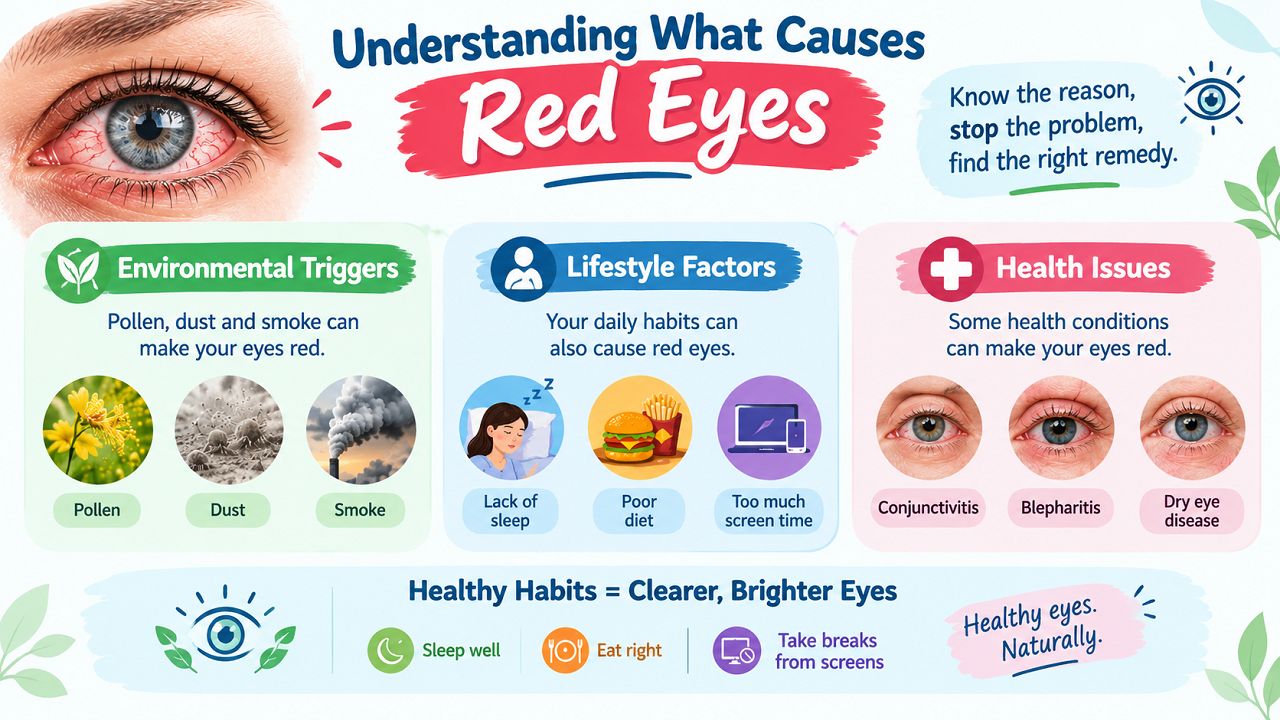
Red eyes can happen for many reasons. These include things around us, how we live, and health issues. To reduce redness in eyes naturally, knowing why it happens is key. Allergies, dry eyes, and infections are common causes. By finding out why, we can stop and fix red eyes, and find good remedies for bloodshot eyes.
Things like pollen, dust, and smoke can make eyes red. Not sleeping enough, eating badly, and too much screen time also play a part. To get rid of red eyes quickly, we need to tackle these issues. Simple changes like sleeping well, eating right, and taking breaks from screens can help reduce redness in eyes naturally.
Some health problems can also make eyes red. These include conjunctivitis, blepharitis, and dry eye disease. Knowing the reasons for red eyes helps us prevent and treat them. This way, we can keep our eyes healthy and reduce redness in eyes naturally.
The Cold Compress Method for Quick Relief
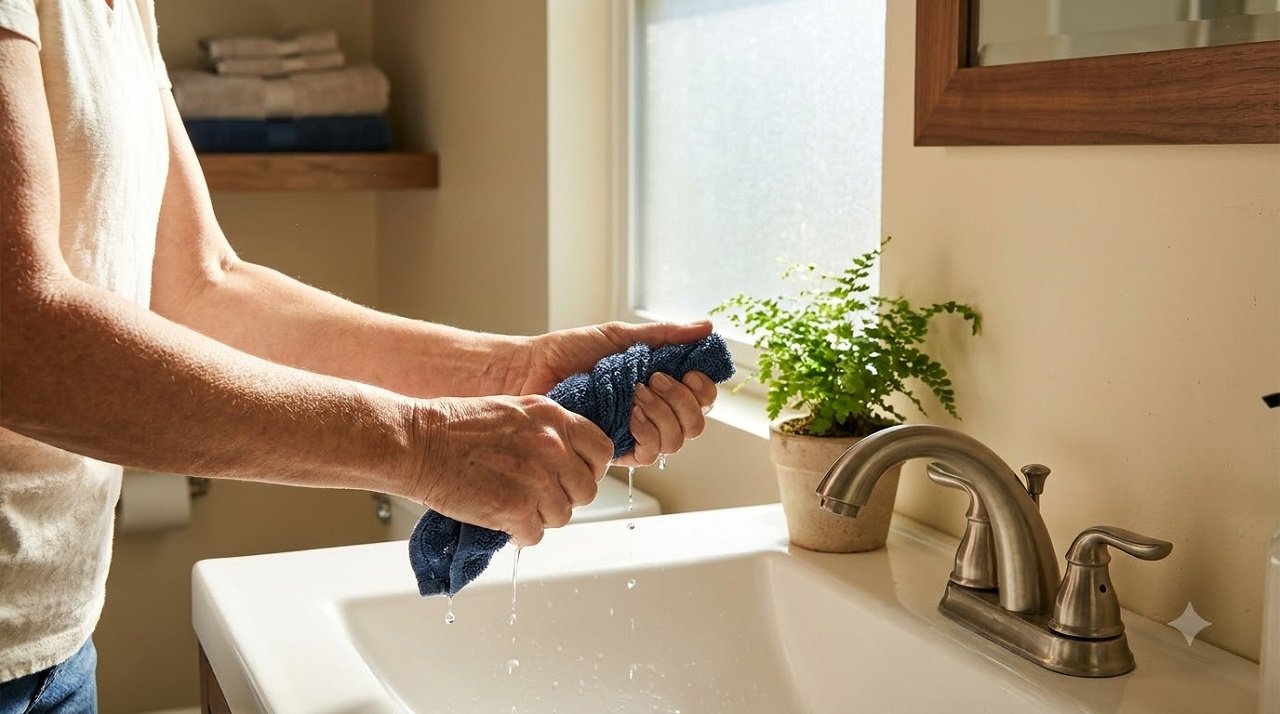
Looking for ways to soothe red eyes without drops? Home remedies can help. The cold compress method is one such way. It works by reducing swelling and tightening blood vessels.
A cold compress is simple to make. Just soak a clean cloth in cold water, wring it out, and place it on your closed eyes for a few minutes. You can do this several times a day.
A quick clarification: official guidance on using a cold compress for 15-minute stretches, every few hours, generally refers to care after an actual eye injury — not everyday redness from dryness or screen strain, which usually improves with just a few minutes of a cool compress. If you’ve had any kind of eye injury, see a doctor rather than relying on a compress alone. Either way, avoid icing the eye directly or leaving a compress on for more than 20 minutes at a time to prevent skin irritation from the cold.
The cold compress method is not just for red eyes. It can also make dark circles under your eyes look smaller, making it a useful home remedy for more than one eye-area concern. Adding the cold compress to your daily routine can help soothe red eyes without drops.
Some benefits of the cold compress method include:
- Reducing inflammation and constricting blood vessels
- Providing quick relief from red eyes
- Being a natural and less expensive alternative to artificial tears
- Helping to reduce the appearance of dark circles
Effective Ways to Get Rid of Red Eyes Fast Without Eye Drops
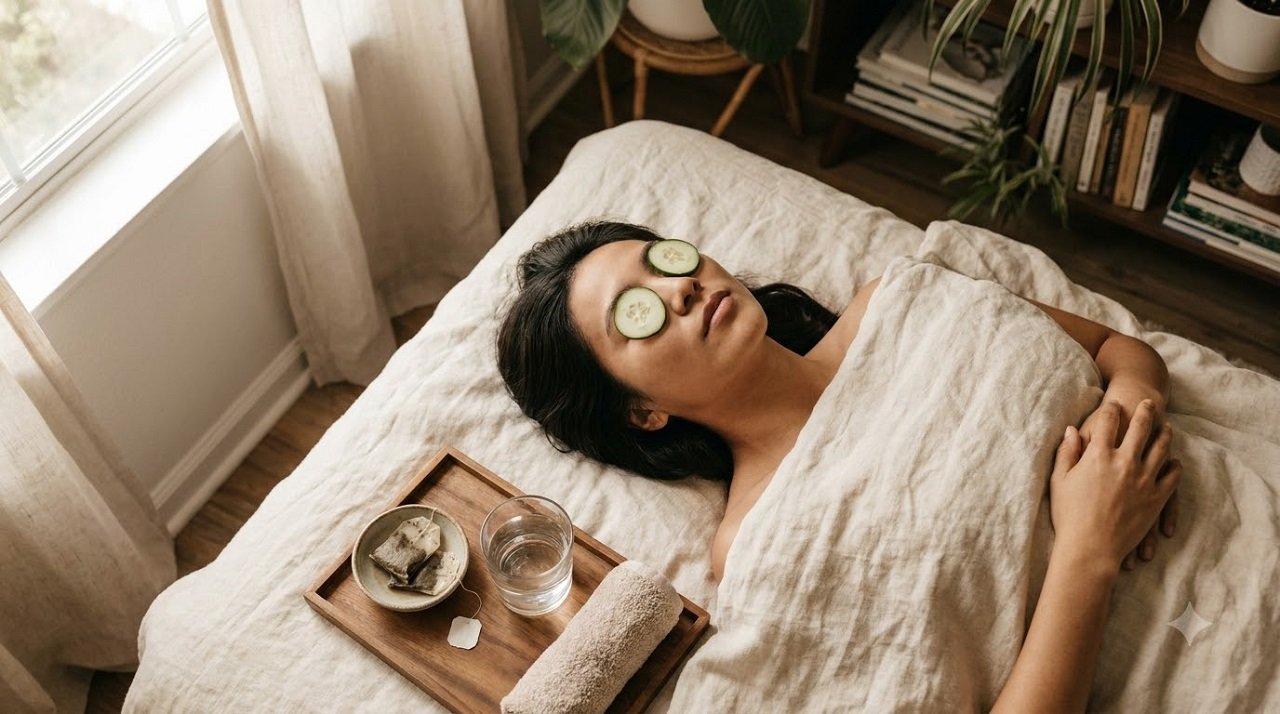
Red eyes can be annoying and uncomfortable. But, there are natural ways to make them better. You can try cucumber slices, tea bags, and rose water — just with a bit of care on how you use the last one.
Cucumber Slices Treatment
Cucumber slices can help because they have anti-inflammatory properties. Just slice a cucumber and put the slices over your closed eyelids for 10-15 minutes.
Tea Bag Therapy
Tea bags can calm your eyes and make them less red. Soak a tea bag in hot water, let it cool completely before use (to avoid any risk of burns), then place it over your closed eyelids for 5-10 minutes.
Rose Water: Use With Caution
Rose water is a popular suggestion for red eyes, but it’s worth knowing the real risk here: most commercial and homemade rose water isn’t sterile or formulated for use in or around the eyes, and applying it near your eyes can actually cause irritation or, in some cases, infection. If you want to try it, use a cotton pad soaked in rose water over closed eyelids only — never let it get into the eye itself — and choose a product specifically labeled safe for eye-area use rather than a general cosmetic or food-grade rose water. If in doubt, skip it and stick with a plain cold compress instead.
Using these natural remedies with other tips can help your eyes. Getting enough sleep, staying hydrated, and avoiding irritants are also good. By trying these, you can say goodbye to red, itchy eyes.
If your symptoms don’t get better, see a doctor. Combining these natural remedies with a healthy lifestyle can keep your eyes healthy. This way, you can avoid red eyes.
Simple Eye Habits to Reduce Strain and Redness
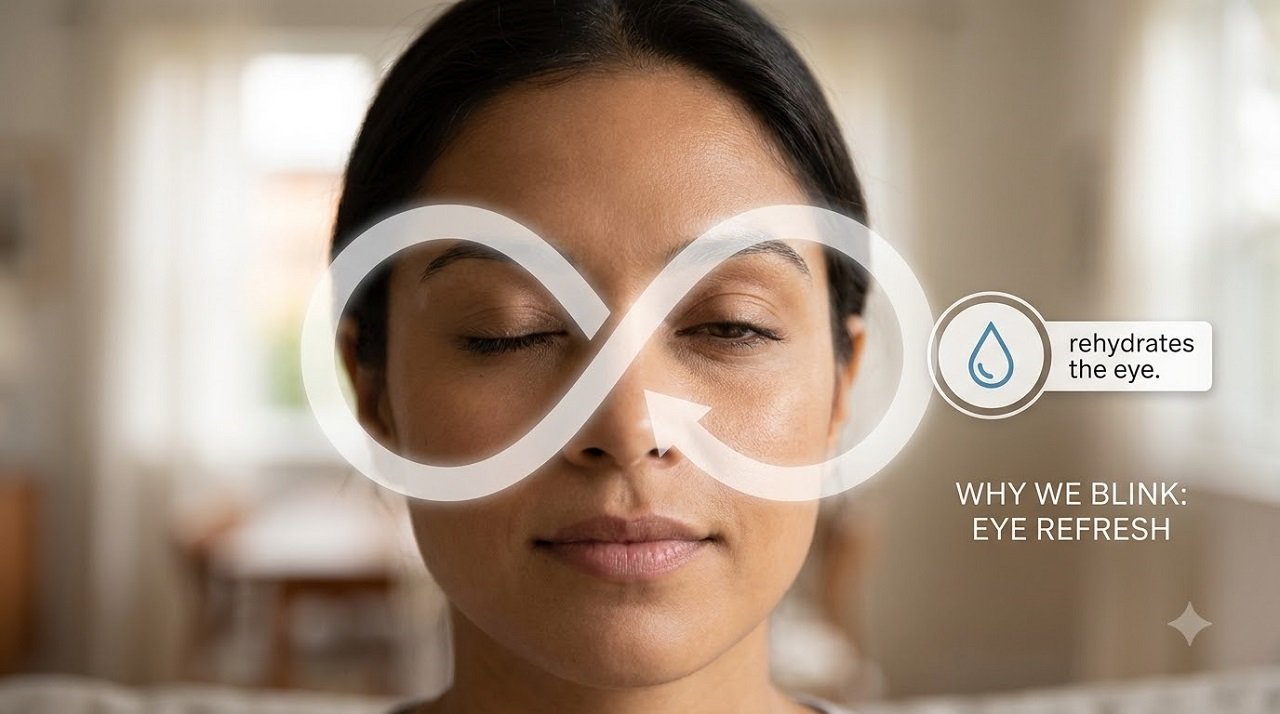
Giving your eyes regular breaks can make them feel better, especially if screen time or reading is a big part of your day. This mainly helps with redness caused by eye strain and dryness, rather than redness from allergies or infection — so think of it as one piece of the puzzle, not a cure-all.
To ease digital eye strain, try rolling your eyes gently in circles, first clockwise, then counterclockwise, and blinking fully and frequently to keep your eyes lubricated. Doing this a few times a day, alongside regular screen breaks, can help keep your eyes more comfortable.
Here are more tips for getting rid of red eyes quickly:
- Frequent, full blinking to prevent dry and sore eyes
- Placing cucumber slices on the closed eyelids for 10-15 minutes
- Using cold, fully-cooled chamomile tea bags to relieve redness and puffiness
Drink lots of water to help your eyes. It helps prevent dryness, which is a common contributor to redness. With these habits and tips, you can reduce redness in eyes naturally and keep your eyes clear.
Dietary Changes That Help Combat Red Eyes

Diet can support eye comfort and health, especially over time. Eating foods rich in omega-3 fatty acids like salmon and walnuts may help with dryness-related redness. Drinking enough water is also key to avoid dehydration, which can make eyes look red and feel gritty.
Leafy greens like spinach and kale are great for eyes. They contain lutein and zeaxanthin, antioxidants linked to eye health. Citrus fruits, berries, and fatty fish like tuna and sardines may also support overall eye comfort.
Drinking plenty of water is important too. Aim for at least eight glasses a day, and limit sugary drinks that can contribute to dehydration. These simple changes can support eye comfort and overall eye health over time, alongside — not instead of — the quicker remedies above.
| Foods | Benefits |
|---|---|
| Salmon and walnuts | Rich in omega-3 fatty acids, may help with dryness-related redness |
| Leafy greens like spinach and kale | Rich in lutein and zeaxanthin, support eye health |
| Citrus fruits and berries | High in antioxidants, support overall eye health |
Environmental Adjustments for Prevention
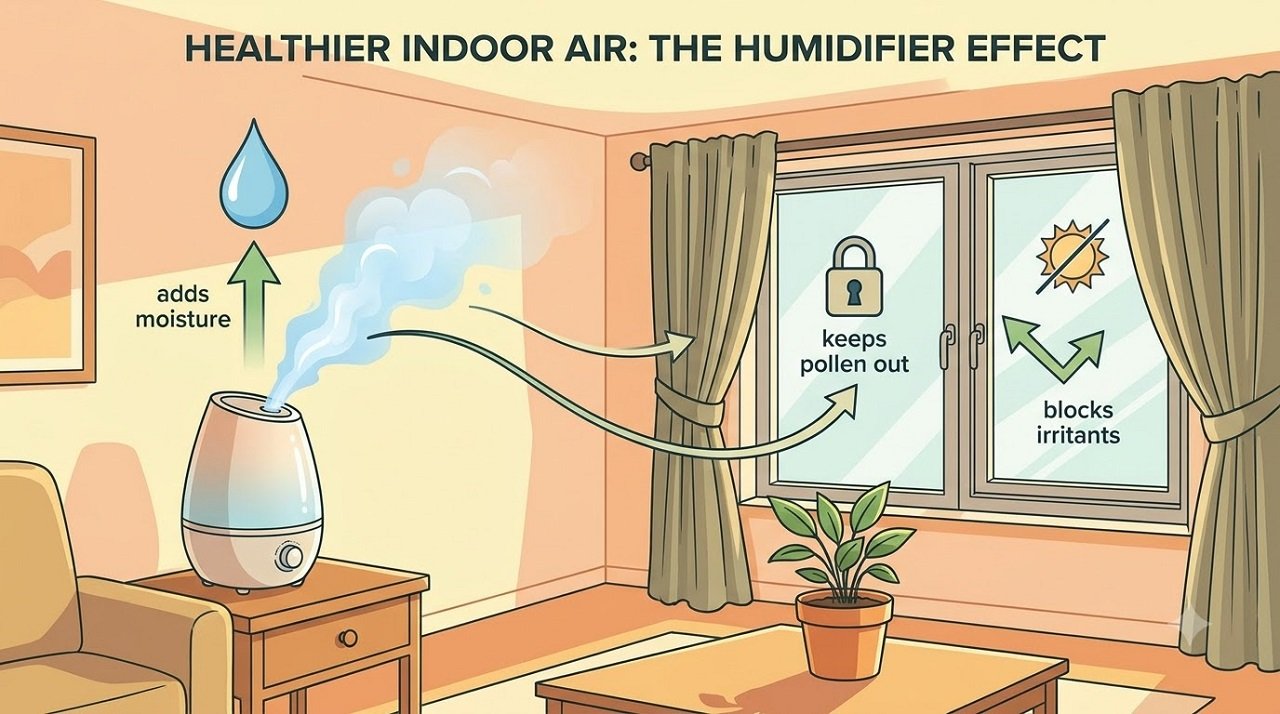
Preventing red eyes is easier with a few simple environmental changes. Using a humidifier adds moisture to the air, which helps fight dryness and irritation, especially in heated or air-conditioned rooms.
Also, staying away from pollen and dust helps. Keep windows closed when pollen counts are high. Use air purifiers and clean surfaces often if allergies are a frequent trigger for you.
Other ways to stop red eyes include limiting screen time, wearing sunglasses outside to block UV rays, and avoiding smoky or dusty environments when possible.
Here are more tips to help prevent red eyes:
- Get enough sleep to avoid eye strain
- Drink enough water to stay hydrated
- Avoid irritants like smoke and strong chemical fumes
By following these tips, you can reduce how often your eyes turn red. Always take care of your eye health and use natural approaches where they fit your routine.
Digital Screen Usage and Eye Redness

Digital screens are a big part of our lives, and they can genuinely contribute to red eyes. This happens partly because we blink less often when focused on a screen, which lets eyes dry out faster. Following the well-known 20-20-20 rule can help reduce this.
This rule means every 20 minutes, look at something about 20 feet away for 20 seconds. Pairing this with good screen placement, appropriate brightness, and blue light filtering (if it’s comfortable for you) can help reduce eye strain over the course of a day.
Some ways to lessen eye strain are:
- Taking regular breaks to look away from the screen
- Adjusting screen brightness and contrast to match your surroundings
- Using blue light filtering glasses or screen filters if you find them helpful
By building these habits into your day, you can lower your risk of screen-related eye redness and keep your eyes more comfortable.
When to Seek Professional Medical Help
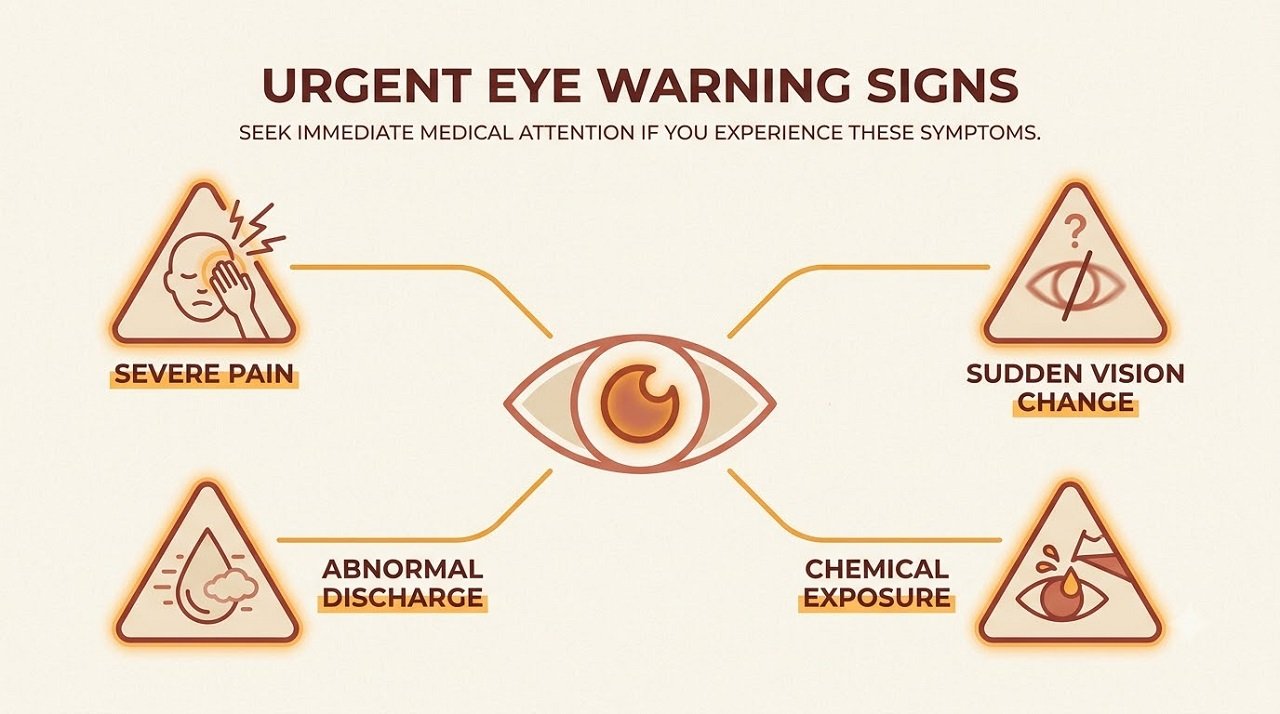
Home remedies can help with red eyes. But some cases need a doctor right away. Look for signs like constant redness, pain, or vision changes.
Red eyes might mean something more than irritation, like an infection. Watch for these signs:
- Persistent redness or swelling that doesn’t improve
- Severe pain or discomfort
- Blurred vision or sensitivity to light
- Discharge or pus in the eye
Some eye conditions, like glaucoma, can also cause eye redness alongside other symptoms, such as eye pain or halos around lights. If you have unusual symptoms or a relevant eye health history, see a doctor rather than relying on home remedies.
For emergencies, like a chemical splash, get help fast. Rinse your eye with clean water for 20 minutes right away. Don’t rub your eye or use drops without a doctor’s guidance first. This helps protect your vision.
In short, home remedies are genuinely useful for everyday redness, but knowing when to see a doctor matters just as much. Spotting the warning signs early helps protect your eyes from bigger problems.
Long-term Prevention Strategies
To keep your eyes healthy and clear, it helps to build long-term habits rather than just reaching for a quick fix each time. Adding natural remedies for red eyes to your daily life can help prevent redness and support eye health over time.
Effective ways to reduce red eyes without relying on medication include regular eye exams, wearing protective eyewear when appropriate, and avoiding known allergens and irritants where you can. Eating foods rich in omega-3 fatty acids and drinking plenty of water helps too. Reducing smoking and managing stress can also help reduce how often your eyes get irritated.
By making these simple changes, you can reduce how often red eyes show up and support your overall eye health. Knowing the common causes of eye redness — like dryness, allergies, or screen strain — is also important, since it helps you pick the right remedy rather than guessing.
Some key tips for long-term prevention include:
- Getting regular eye exams to catch any issues early
- Wearing protective eyewear for activities that could affect your eyes
- Avoiding allergens and irritants that commonly trigger redness for you
- Eating a balanced diet rich in omega-3 fatty acids and staying hydrated
Conclusion: Maintaining Healthy, Clear Eyes Naturally
To keep your eyes healthy and clear, lifestyle changes and good nutrition both help. Understanding why your eyes get red is key — this way, you can address the actual cause rather than just the symptom.
Looking for a quick fix or a long-term strategy? This article covers both: a cold compress and screen breaks for fast relief, and dietary and environmental changes for the long run. Used together, they can meaningfully reduce red eyes and support overall eye comfort.
It’s also worth remembering what causes redness in the first place. Conditions like conjunctivitis, blepharitis, and dry eye disease can all play a role. By addressing these where relevant, and knowing when to see a doctor, you can keep your eyes clear and more comfortable day to day.
Here are some important tips for healthy eyes:
- Drink enough water to support healthy tear production
- Limit exposure to known irritants, like smoke and heavy dust
- Go for regular eye exams to catch problems early
By following these tips and paying attention to your eye health, you can reduce redness naturally and more consistently over time.
Final Thoughts
Managing red eyes without eye drops is genuinely possible for most everyday causes. Home remedies like cold compresses, cucumber slices, and cooled tea bags can help quickly, while hydration and a nutrient-rich diet support your eyes over the longer term.
If your red eyes don’t improve, or you notice any of the warning signs covered earlier, see a doctor rather than continuing to rely on home remedies. A combination of natural care and timely professional input, when needed, is the most reliable way to keep your eyes healthy.
Being proactive about eye comfort — and knowing when it’s time for a professional opinion — is the key to keeping your eyes clear and comfortable.
Frequently Asked Questions
What is the fastest way to get rid of red eyes naturally?
A cold compress applied for a few minutes is usually the fastest option, since it constricts blood vessels and reduces visible redness almost immediately. Taking a break from screens and blinking fully also helps if strain or dryness is the cause.
Why are my eyes red even though I’m not tired?
Redness isn’t always about tiredness — allergies, dry air, screen time, dust, or mild irritation can all cause red eyes even with adequate sleep. If redness is new or unusual for you, it’s worth considering recent changes in your environment or routine.
Is it bad to use eye drops every day?
Some over-the-counter redness-relief drops that work by constricting blood vessels can cause rebound redness with frequent, long-term use, which is one reason some people look for drop-free alternatives. Preservative-free artificial tears are generally considered safe for more frequent use — ask your eye doctor if you’re using drops daily.
When should I worry about red eyes?
See a doctor if redness comes with significant pain, vision changes, discharge, light sensitivity, or doesn’t improve after a few days of home care. Treat a chemical splash in the eye as an emergency and rinse immediately with clean water.
How can a cold compress help get rid of red eyes?
A cold compress constricts blood vessels near the surface of the eye and reduces swelling, which visibly calms redness. Soak a clean cloth in cold water, wring it out, and hold it over closed eyes for a few minutes at a time.
What are some effective home remedies for getting rid of red eyes fast?
Cold compresses, chilled cucumber slices, and cooled tea bags are among the most commonly recommended options. Use caution with rose water, since most products aren’t sterile enough for safe eye-area use.
How can eye exercises or habits help reduce redness?
Simple habits like full, frequent blinking and the 20-20-20 rule mainly help with redness caused by digital eye strain and dryness, rather than redness from allergies or infection — so they work best alongside, not instead of, addressing the actual cause.
What dietary changes can help combat red eyes?
Foods rich in omega-3 fatty acids, like salmon and walnuts, and antioxidant-rich leafy greens may support eye comfort over time. Staying well-hydrated is one of the simplest and most effective dietary habits for reducing dryness-related redness.
Scientific References
- Mayo Clinic — Eyestrain: Diagnosis and treatment: https://www.mayoclinic.org/diseases-conditions/eyestrain/diagnosis-treatment/drc-20372403
- Mayo Clinic — Chemical splash in the eye: First aid: https://www.mayoclinic.org/first-aid/first-aid-eye-emergency/basics/art-20056647
- Medical News Today — Cold compress for eyes: Benefits, how to make one, and more: https://www.medicalnewstoday.com/articles/cold-compress-for-eyes
- Medical News Today — Red eyes: Home remedies and health tips: https://www.medicalnewstoday.com/articles/313606
- Cleveland Clinic — Why Your Eyes Are Always Red (and How To Fix Them): https://health.clevelandclinic.org/why-are-my-eyes-always-red
- All About Vision — Causes and Treatment for Bloodshot Eyes: https://www.allaboutvision.com/conditions/symptoms/red-eyes/overview-or-bloodshot-eyes/
- All About Vision — 10 Tips for Computer Eye Strain Relief: https://www.allaboutvision.com/conditions/computer-vision-syndrome/digital-eye-strain/relief/
- Healthline — How to Get Rid of Red Eyes: https://www.healthline.com/health/eye-health/how-to-get-rid-of-red-eyes
- Healthline — 20 Causes, Symptoms, and Complications of Red Eyes: https://www.healthline.com/health/eye-redness
- WebMD — Why Are My Eyes Red?: https://www.webmd.com/eye-health/why-eyes-red
- Healthdirect Australia — Conjunctivitis (pink eye): https://www.healthdirect.gov.au/conjunctivitis
Medical disclaimer: This article is for general informational and educational purposes only and is not a substitute for professional medical advice, diagnosis, or treatment. Most morning eye puffiness is harmless and related to fluid retention, sleep, or diet, but persistent, painful, or one-sided swelling can occasionally signal something that needs medical attention. Always consult a doctor for new, worsening, or unusual eye symptoms, and seek emergency care for the warning signs listed below.
Most morning eye puffiness comes from harmless, temporary fluid buildup caused by sleep position, salt intake, or allergies, and responds well to simple habits like a cool compress, less sodium, and sleeping with your head slightly elevated. True, persistent under-eye “bags,” on the other hand, are usually a structural, age-related change that these morning remedies won’t fully reverse — more on that distinction below.
🚨 When Eye Swelling Is a Medical Emergency
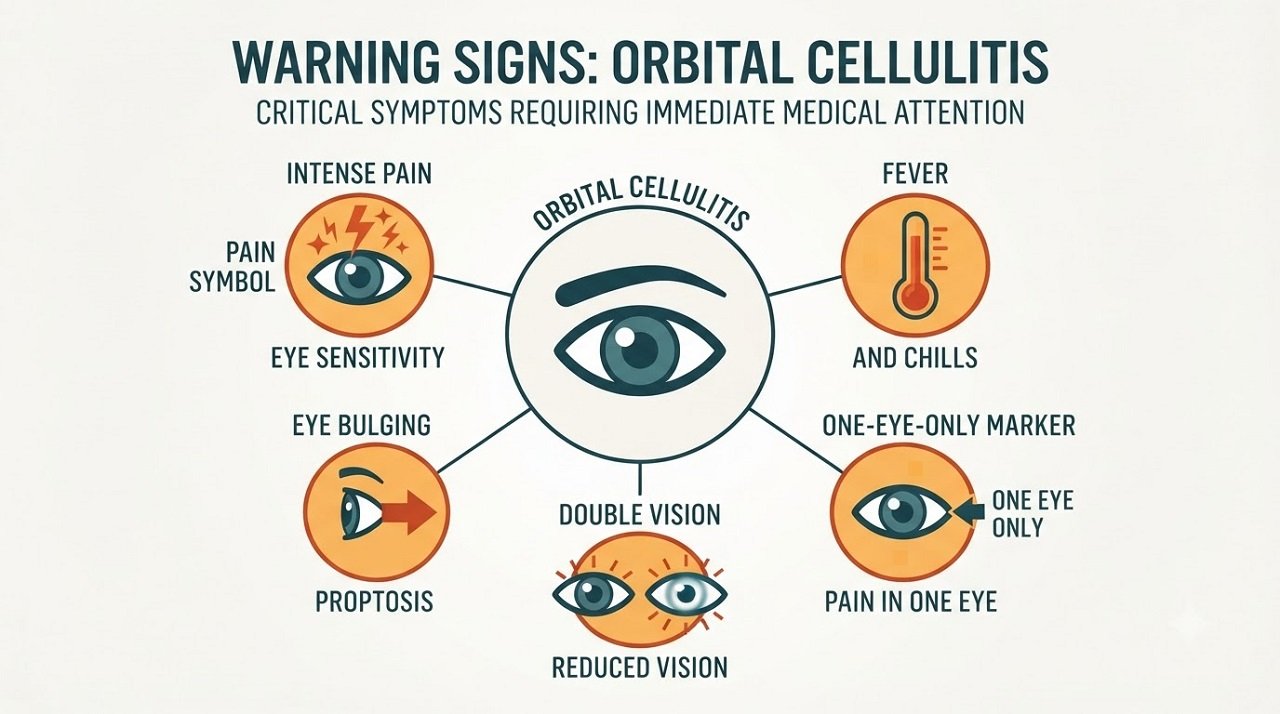
Before anything else: ordinary morning puffiness is almost always benign, but a small number of warning signs point to something more serious — most notably orbital cellulitis, a serious eye socket infection. Seek emergency care immediately if swelling comes with:
- Pain, especially pain that worsens when you move your eye
- The eye appearing to bulge or push forward
- Double vision or a sudden change in vision
- Fever alongside eye swelling that’s rapidly getting worse
- Swelling in only one eye that’s severe, red, and warm to the touch
These signs are different from the mild, both-eyes, no-pain puffiness most people wake up with. If you notice any of them, don’t wait — go to urgent care or the emergency room.
Do you wake up with puffy eyes? You’re far from alone, and the good news is that for the vast majority of people, it comes down to a short list of everyday, fixable causes — not a sign of serious illness. In rarer cases, conditions like thyroid disorders or kidney issues can contribute to eye puffiness, but these are usually accompanied by other noticeable symptoms, not puffy eyes alone. If your puffiness is new, persistent, or comes with other symptoms like fatigue, weight changes, or swelling elsewhere in your body, it’s worth mentioning to your doctor — but for most people, the causes below are what’s actually going on.
Introduction to Puffy Eyes
First, we need to know why puffy eyes happen. Things like eating too much salt, allergies, genetics, and getting older can cause them. By changing our lifestyle and using effective methods, we can make our eyes less puffy.
Puffy Eyes vs. Under-Eye Bags: A Distinction Worth Knowing
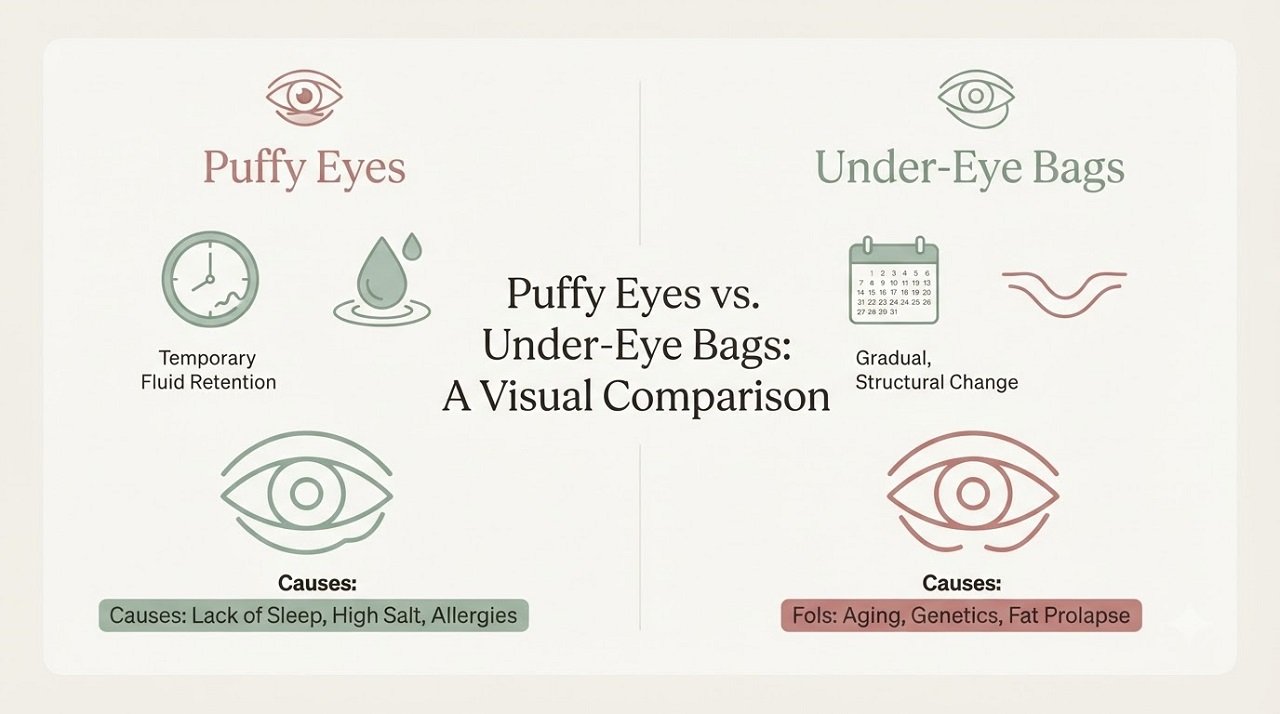
These two terms get used interchangeably, but they’re not quite the same thing, and knowing the difference helps you pick the right fix:
- Puffy eyes (morning fluid retention): Temporary swelling caused by fluid pooling overnight — from sleep position, salt intake, alcohol, allergies, or lack of sleep. This type typically improves within a few hours of waking up and responds well to the remedies in this guide.
- Under-eye bags: A more structural, often age-related change, where the fat pad that normally cushions the eye shifts forward and the skin loses some elasticity. This type tends to be more constant throughout the day and doesn’t fully resolve with cold compresses or diet changes — which is why it’s treated differently (see the professional treatments section below).
Many people have a mix of both, which is part of why “puffy eyes” advice can feel hit-or-miss — some tips target the fluid, others target the structural change.
Key Takeaways
- A high-salt diet, allergies, and sleep habits are the most common everyday causes of morning puffiness.
- Lifestyle changes, such as reducing salt intake and getting enough sleep, can meaningfully help reduce puffy eyes.
- Puffy eyes (fluid-based, temporary) and under-eye bags (structural, often age-related) are related but different, which affects which remedy actually helps.
- Non-surgical procedures, such as fillers and laser resurfacing, can improve the appearance of structural under-eye bags — not morning fluid puffiness.
- Surgical options, such as blepharoplasty, are available for chronic, structural under-eye puffiness that doesn’t respond to other measures.
- Know the emergency warning signs (pain, bulging, vision changes, fever) that separate ordinary puffiness from something that needs urgent care.
Understanding Why You Wake Up with Puffy Eyes
Waking up with puffy eyes can be really annoying. It can mess up your day. To prevent morning eye puffiness, you need to know why it happens. It’s often because of fluid buildup, allergies, or sinus pressure.
High-salt diets, allergies, and some health issues can also cause it. Eating too much salt can make your body hold onto water. This can make your eyes look puffy. Allergies can make your eyes puff up too, because of congestion and swelling.
To make your eyes less puffy in the morning, try these tips for avoiding puffy eyes when waking up:
- Use a cool compress to reduce swelling
- Elevate the head of the bed to reduce fluid retention
- Avoid high-salt diets and stay hydrated
Immediate Morning Solutions for Puffy Eyes
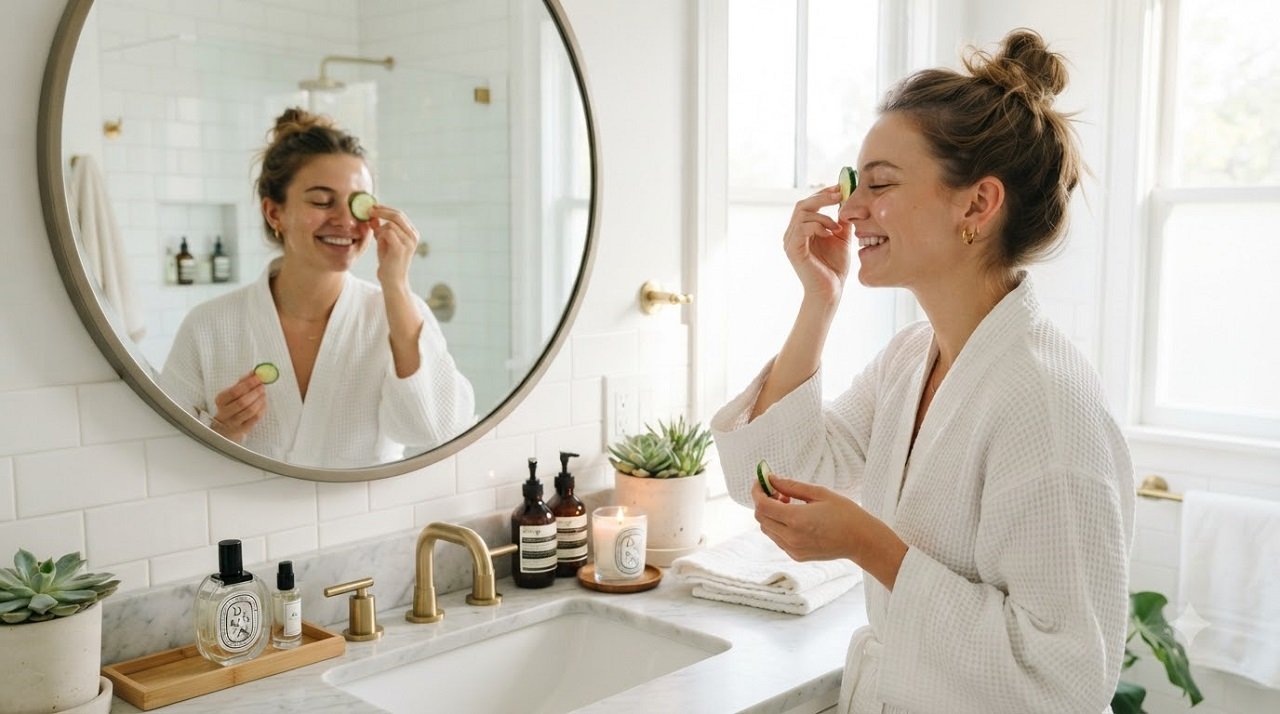
Waking up with puffy eyes can be really frustrating. It can make it hard to start your day. To fix this, try using cold compresses or chilled cucumber slices on your eyes.
Caffeine is also great for reducing puffiness. It works by narrowing blood vessels. You can use cold tea bags on your eyes for 15 to 30 minutes.
There are more ways to stop puffy eyes in the morning. Here are a few:
- Drink at least eight glasses of water every day
- Eat less salt to hold less water
- Try to sleep for 7-8 hours each night
- Use air purifiers and hypoallergenic products to fight allergies
By trying these tips, you can wake up with brighter eyes. Always choose a healthy lifestyle and gentle products for your eyes.
How to Stop Waking Up with Puffy Eyes: Essential Prevention Tips
To reduce puffy eyes, it’s key to take steps before bed. Simple changes in your life can help a lot. Drinking more water and eating less salt can help your eyes look better.
Some tips for avoiding puffy eyes when waking up include eating a balanced diet, staying hydrated, and adjusting sleep position. Elevating the head while sleeping can significantly decrease fluid pooling under the eyes, reducing puffiness. Avoiding too much salt and drinking more water also helps.
Managing allergies, getting enough sleep, and not drinking too much alcohol are also good tips. These actions can help you wake up with less puffiness. A healthy lifestyle is key to avoiding puffy eyes.
By making these simple changes, you can wake up with less puffiness. Remember, it’s easier to prevent puffy eyes than to treat them. Start these tips today to look more refreshed.
Natural Remedies and Home Treatments
There are many natural ways to reduce eye puffiness. You can use tea bags, cucumber slices, and eye creams. These methods can help lessen swelling and puffiness.
Some effective remedies for puffy eyes in the morning include:
- Applying cool, damp tea bags to the eyes to reduce inflammation and swelling
- Using cucumber slices to hydrate the skin and reduce puffiness
- Applying eye creams that contain ingredients such as chamomile, cucumber, and arnica to soothe and calm the skin
Other ways to reduce eye puffiness include getting enough sleep and staying hydrated. Also, try to reduce sodium intake. By adding these natural methods to your daily routine, you can make your eyes look bright and healthy.
Lifestyle Changes to Prevent Morning Eye Swelling

To prevent morning eye puffiness, making lifestyle changes is key. Start by sleeping the same hours every night. Also, have a calm evening routine like reading or a warm bath.
Staying hydrated and eating less salt are also good tips. Too much salt can make your eyes puff up. Exercise helps too by improving blood flow and draining fluids.
Other ways to stop morning eye swelling include:
- Practicing stress-reducing techniques, such as yoga or deep breathing exercises
- Avoiding allergens and irritants that can cause inflammation
- Getting regular gentle massages to promote lymphatic drainage
By making these changes, you can fight morning eye puffiness. Also, sleep well, drink water, and watch your salt intake. This will help reduce puffy eyes and keep you healthy.
Professional Treatments and Medical Solutions (For Structural Under-Eye Bags)
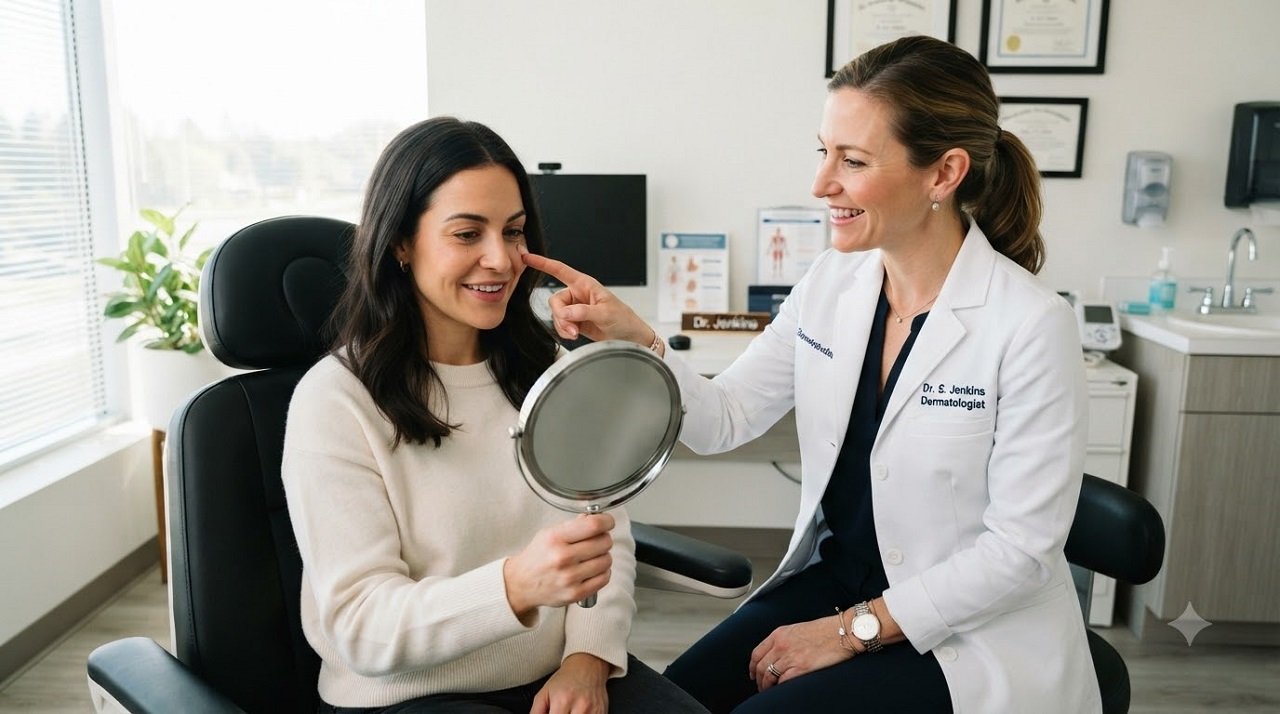
It’s worth repeating: the treatments below address structural under-eye bags — not everyday morning fluid puffiness, which usually resolves with the lifestyle steps above. If your “puffiness” is actually a constant fullness that doesn’t change much through the day, these options are more likely to apply to you, and they should only be done by a licensed, qualified provider (board-certified dermatologist or plastic surgeon).
Dermal fillers add volume and smooth the transition between the lower eyelid and cheek. This makes under-eye bags less noticeable.
Laser skin resurfacing boosts collagen, making skin around the eyes look better over time. Chemical peels remove top skin layers, helping with fine lines and skin tone. As with any cosmetic procedure, ask your provider about their experience, the expected downtime, and possible side effects before proceeding.
Blepharoplasty, or lower eyelid surgery, is another option for more pronounced, persistent cases. It removes or repositions excess skin, muscle, and fat. This is a surgical procedure with real risks and recovery time, and it’s typically considered only after non-surgical options haven’t given the desired result — a conversation to have directly with a board-certified surgeon.
Essential Products and Tools for Reducing Eye Puffiness
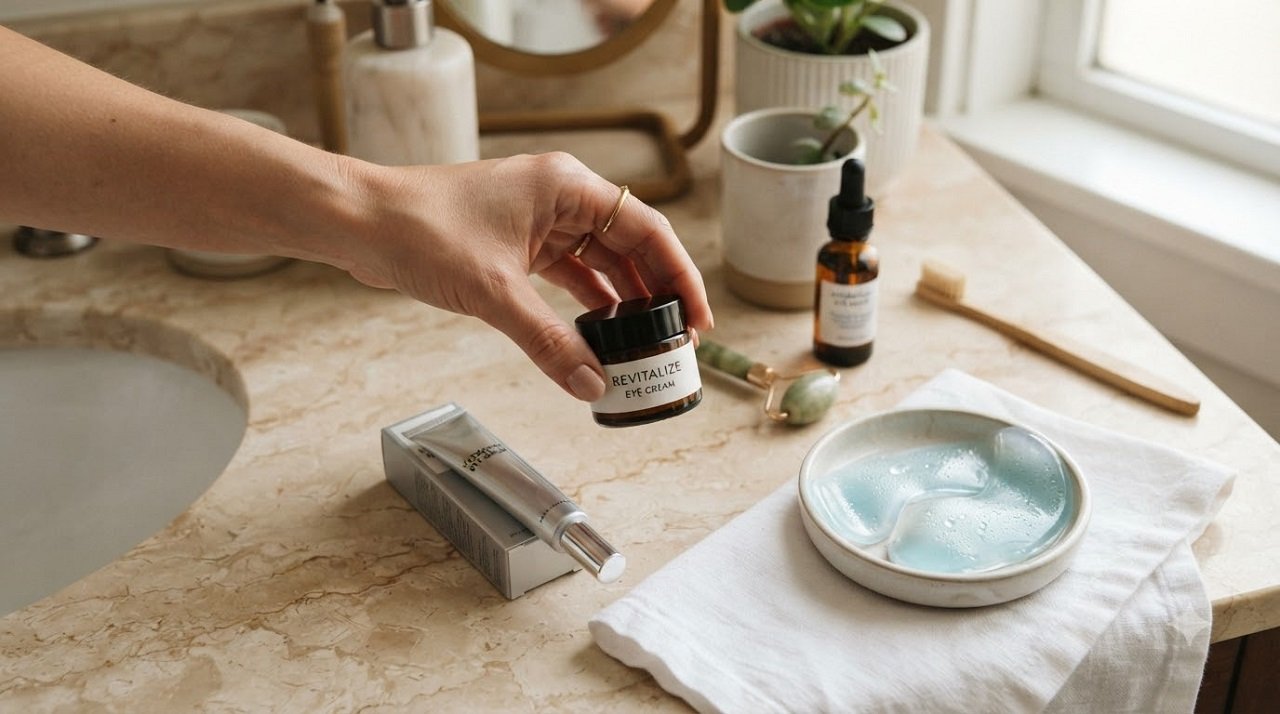
To fight puffy eyes, you need the right tools. Eye creams and serums with caffeine, peptides, and hyaluronic acid can help shrink blood vessels and lessen swelling. Cooling tools like jade or stainless-steel eye rollers can help too.
Choosing the right eye cream depends on your skin. Richer, more emollient formulas tend to suit dry skin better, while lighter gel textures are often more comfortable for oily or acne-prone skin — check the label or ask a dermatologist if you’re unsure what suits you.
Other ways to fight puffy eyes include cold compresses, enough sleep, and drinking water. Avoid too much alcohol and salty foods, since they can make eyes puffier. Using these tips and suitable products can make your eyes look better and more refreshed.
When to Seek Medical Help for Persistent Eye Swelling
While remedies for reducing morning eye puffiness can help, knowing when to see a doctor is key. If your eye hurts, your vision is blurry, or you feel something stuck in your eye, get help right away.
Sometimes, usual remedies for swollen eyes in the morning won’t work because something else is going on. If you have frequent eye swelling due to allergies that doesn’t respond to over-the-counter treatment, or an underlying condition like thyroid eye disease, you may need a specialist’s input.
Here are signs you should see a doctor for eye swelling:
- Severe symptoms, such as pain or vision changes
- Persistent swelling that lasts longer than 48 hours
- Signs of infection, such as redness, warmth, or discharge
- Difficulty moving the eye normally, or the eye appearing to bulge
Seeing a doctor when needed helps keep your eyes safe. While remedies for reducing morning eye puffiness can help, they shouldn’t replace a doctor’s care for serious or lasting symptoms.
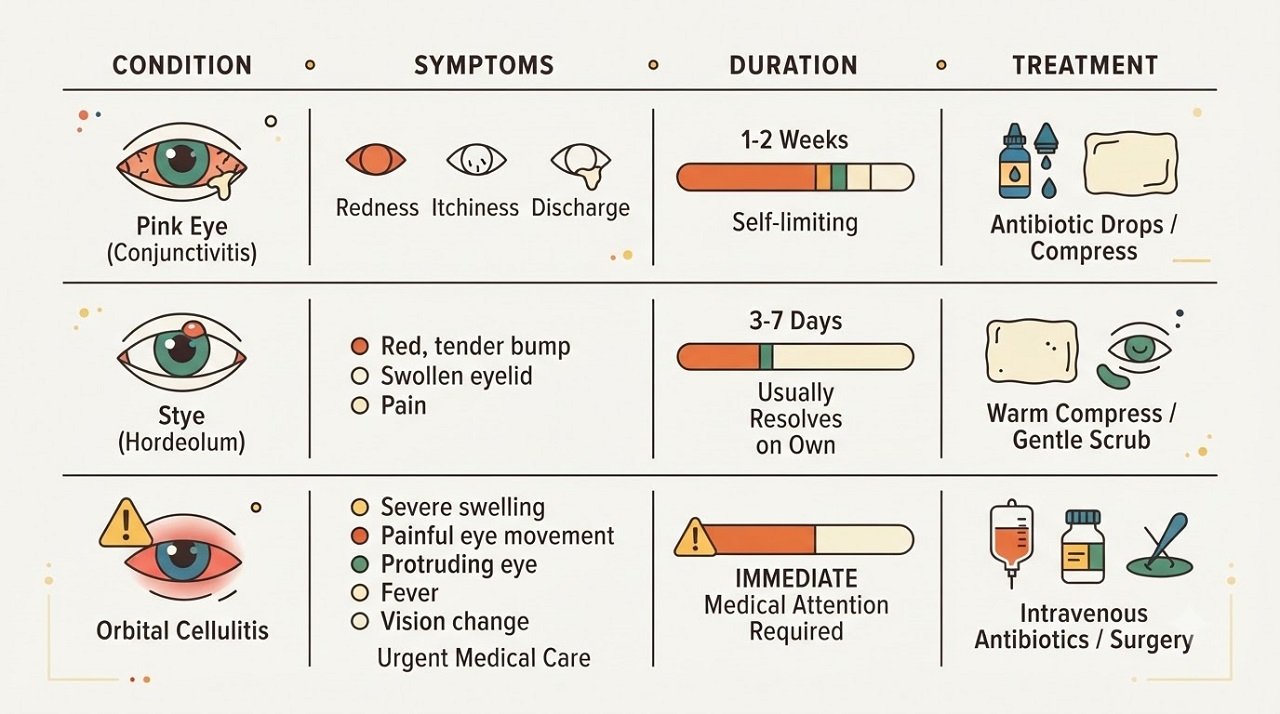
| Condition | Typical Duration | Usual Treatment |
|---|---|---|
| Pink eye (conjunctivitis) | 1–2 weeks | Often resolves on its own; antibiotic drops if bacterial |
| Chalazion or stye | 1–4 weeks | Warm compresses; antibiotic ointment if needed |
| Orbital or periorbital cellulitis | Rapidly worsening — same day | Emergency evaluation; oral or IV antibiotics |
Conclusion: Maintaining Fresh, Bright Eyes Every Morning
We’ve looked at ways to understand and reduce puffy eyes in the morning. Knowing why eyes get puffy — like from too much salt, allergies, or normal fluid retention — helps you take the right steps to keep your eyes looking fresh every day.
Making small changes in your life can help a lot. Try sleeping on your back with your head slightly elevated, drink enough water, and manage stress well. Cold compresses and eye masks are also good for quick fixes. If puffiness doesn’t go away, or if it’s a constant structural “bag” rather than morning fluid, a dermatologist can help you figure out the right next step — and if you notice any of the emergency warning signs above, see a doctor right away.
Keeping your eyes healthy is a long-term effort. Pay attention to your body, what you eat, and your surroundings. This way, you can cut down on puffy eyes and start your day feeling great.
Frequently Asked Questions
Why do I wake up with puffy eyes every morning?
The most common causes are fluid retention from lying flat overnight, a high-salt diet the evening before, allergies, and poor sleep. For most people, this is harmless and improves within a few hours of waking.
Is it normal to have puffy eyes every day?
Mild morning puffiness that fades within an hour or two is common and usually not a concern. If it’s severe, painful, affects only one eye, or doesn’t improve as the day goes on, it’s worth checking with a doctor.
What foods cause puffy eyes?
High-sodium foods are the biggest dietary trigger, since excess salt causes the body to retain water. Alcohol, consumed close to bedtime, can have a similar effect.
How long does it take for puffy eyes to go down?
Morning fluid-based puffiness typically improves within 30 minutes to a couple of hours after waking, especially with a cold compress and staying upright. Structural under-eye bags, by contrast, don’t fully go away on their own and are more constant throughout the day.
Are puffy eyes and under-eye bags the same thing?
Not exactly. Puffy eyes usually refer to temporary, fluid-driven morning swelling, while under-eye bags describe a more structural, often age-related change involving shifted fat and looser skin. The two can overlap, but they generally need different approaches.
How can dietary changes help reduce eye puffiness?
Eating less salt and drinking more water helps limit fluid retention, which is a major driver of morning eye puffiness. Reducing alcohol, especially in the evening, helps for the same reason.
When should I seek medical help for persistent eye swelling?
See a doctor if swelling lasts more than 48 hours, is accompanied by pain or vision changes, shows signs of infection, or affects only one eye severely. Seek emergency care immediately for pain with eye movement, a bulging eye, double vision, or fever with rapidly worsening swelling.
Scientific References
- Mayo Clinic — Bags under eyes: Symptoms and causes: https://www.mayoclinic.org/diseases-conditions/bags-under-eyes/symptoms-causes/syc-20369927
- Mayo Clinic — Bags under eyes: Diagnosis and treatment: https://www.mayoclinic.org/diseases-conditions/bags-under-eyes/diagnosis-treatment/drc-20369931
- Johns Hopkins Medicine — How to Get Rid of Bags Under Your Eyes: https://www.hopkinsmedicine.org/health/treatment-tests-and-therapies/how-to-get-rid-of-bags-under-your-eyes
- Cleveland Clinic — Puffy Eyes? How To Get Rid of Eye Bags: https://health.clevelandclinic.org/how-to-get-rid-of-eye-bags
- Cleveland Clinic — Blepharitis (Eyelid Inflammation): Causes & Treatment: https://my.clevelandclinic.org/health/diseases/10032-blepharitis
- Diagnosis and Management of Orbital and Periorbital Cellulitis (PedsCases, peer-reviewed clinical reference): https://www.pedscases.com/sites/default/files/Final%20Orbital%20Cellulitis%20Script%20Publication.pdf
- Healthline — How to Get Rid of Eye Bags: 17 Tips and Tricks: https://www.healthline.com/health/beauty-skin-care/how-to-get-rid-of-bags-under-eyes
- Healthline — Under-Eye Swelling: Causes, Symptoms, and Treatments: https://www.healthline.com/health/eye-health/causes-of-under-eye-swelling
- Medical News Today — Puffy face in the morning: Causes, treatments, and prevention: https://www.medicalnewstoday.com/articles/puffy-face-in-the-morning
- Verywell Health — What Does It Mean When One Eye Is Swollen?: https://www.verywellhealth.com/how-to-get-rid-of-puffy-eyes-5105091
- All About Vision — What Is Causing My Swollen Eyelids?: https://www.allaboutvision.com/conditions/symptoms/swollen-eyelids/overview-of-swollen-eyelids/
Health Tips
How to Get Rid of Allergies Naturally: A Realistic, Step-by-Step Guide to Lasting Relief

Medical disclaimer: This article is for general informational and educational purposes only and is not a substitute for professional medical advice, diagnosis, or treatment. Allergies vary widely in severity, and what works for mild seasonal symptoms may not be appropriate or safe for someone with more serious allergic conditions. Always consult an allergist or your doctor before making major changes to your allergy management, and never stop or adjust a prescribed medication (including an epinephrine auto-injector) without medical guidance.
There’s no natural remedy proven to permanently cure allergies on its own — but a combination of reducing allergen exposure, supportive diet and lifestyle habits, and, where appropriate, medically supervised immunotherapy can meaningfully reduce symptoms and, for some people, produce long-term remission. This guide walks through what genuinely helps, what’s popular but unproven, and when to see an allergist.
⚠️ When an Allergic Reaction Is a Medical Emergency
Before anything else, it’s worth knowing the difference between everyday allergy symptoms and a reaction that needs emergency care. Call emergency services or use an epinephrine auto-injector immediately (if prescribed) if you or someone else experiences:
- Difficulty breathing, wheezing, or a tight feeling in the throat
- Swelling of the face, lips, tongue, or throat
- Widespread hives combined with dizziness or lightheadedness
- A sudden drop in blood pressure, fainting, or feeling like something is “seriously wrong” after exposure to a known allergen
- Nausea, vomiting, or abdominal cramping alongside any of the above
This is called anaphylaxis, and it’s a life-threatening emergency. The natural strategies in this article are meant for common, mild-to-moderate seasonal and environmental allergy symptoms, not as a treatment for severe or anaphylactic reactions.
Do you struggle with allergies, like over 50 million Americans? You’re not alone — allergies are one of the most common chronic health issues in the US. The good news is that alongside medical treatment, there’s a real, evidence-informed toolkit of natural strategies that can meaningfully reduce how often and how severely allergies flare up.
Introduction to Natural Allergy Relief
First, we need to know what causes allergies and how they make us feel. There are medicines for allergies, and for many people, natural strategies work well alongside them — reducing exposure, calming inflammation, and supporting overall health. This guide focuses on realistic expectations: natural methods are genuinely useful for symptom reduction and prevention, but “permanent” freedom from allergies, when it happens, is typically the result of years of medically supervised immunotherapy, not diet or lifestyle changes alone.
Key Takeaways
- Allergies are a common chronic condition in the United States, affecting over 50 million Americans.
- Reducing allergen exposure at home, supportive lifestyle habits, and — where appropriate — medical immunotherapy are the strategies with the most consistent evidence behind them.
- Understanding the causes of allergies and their symptoms is key to finding an approach that actually helps.
- HEPA filters and air purifiers can remove allergens from the air, reducing symptoms.
- Popular home remedies like local honey are widely believed to help but are not supported by good-quality evidence — more on that below.
- Regular moderate-intensity exercise can lower inflammation and reduce susceptibility to respiratory infections.
- Know the signs of a severe allergic reaction (anaphylaxis) and always have a plan for emergencies if you or your child has a known severe allergy.
Understanding the Root Causes of Allergies
To find good ways to manage allergies, we need to know why they happen. Allergies happen when the immune system identifies something harmless as a threat and overreacts to it. Genetics, environment, and lifestyle can all influence this.
To reduce allergies naturally, it helps to know what causes them. Things like pollen, dust mites, and pet dander are common culprits. These can be found everywhere, inside and outside. Knowing where they are helps us stay away from them.
Common Allergy Triggers
- Pollen from trees, grasses, and weeds
- Dust mites and their waste products
- Pet dander from dogs, cats, and other animals
There are natural ways to reduce allergy symptoms. Changing how we live and our surroundings can help. For example, using air filters can clean the air we breathe. Also, drinking enough water and eating a nutrient-dense diet supports overall immune health.
The Role of Immune System Response
Our immune system is key in allergies. When it identifies something incorrectly as a threat, it mounts an outsized response. This can cause many symptoms, from mild to serious. Knowing how our immune system reacts helps us find natural ways to reduce allergy symptoms.
The Connection Between Diet and Allergy Prevention

Eating a nutrient-dense diet with fruits, vegetables, and whole grains can support your body’s ability to manage inflammation, which plays a role in allergy symptoms. Foods like fermented foods and those rich in omega-3s have anti-inflammatory properties that may help lessen allergy symptoms for some people.
By eating these foods, we can support our overall health and potentially ease symptom severity — though diet alone won’t eliminate an existing allergy.
Some foods commonly discussed for allergy support include citrus fruits like oranges and grapefruits, and foods high in omega-3s, like salmon, which have anti-inflammatory properties.
These allergy prevention techniques are easy to add to your daily meals:
- Fermented foods, such as kimchi and sauerkraut
- Omega-3 rich foods, such as salmon and mackerel
- Vitamin C-rich citrus fruits, such as oranges and grapefruits
Following these allergy-free living tips and using natural allergy remedies as a complement to your treatment plan can help. It can support your overall health and potentially ease symptom severity. Always talk to a healthcare professional before changing your diet significantly, especially if you have known food allergies or sensitivities.
Essential Natural Remedies to Combat Allergies
Looking for allergy relief? Several natural approaches have reasonable evidence behind them, while some popular ones don’t hold up as well. It’s worth knowing the difference.
What has more evidence behind it:
- Herbal options like butterbur and quercetin have been studied for anti-inflammatory effects, though quality and dosing vary by product — talk to your doctor before starting one, especially if you take other medications.
- Nasal saline irrigation (a neti pot or saline rinse) is well-supported for flushing allergens and mucus from nasal passages.
- Foods like citrus fruits and berries support overall health, though their direct effect on histamine levels in humans is modest.
What’s popular but doesn’t hold up well to evidence — a genuine information gap most allergy articles gloss over:
- Local honey: This is one of the most repeated allergy remedies online, but allergists point out a real problem with the theory — the pollen bees collect from flowers isn’t the same wind-borne pollen (from trees, grasses, and weeds) that typically triggers seasonal allergies, and the amount of pollen in honey is too small to meaningfully desensitize your immune system. Clinical studies have not shown a measurable benefit over placebo. It’s a pleasant food, but don’t rely on it as your allergy strategy.
- Essential oils like eucalyptus and peppermint: These can offer a temporary, perceived sense of easier breathing for some people, but they’re not a treatment for the underlying allergic response, and they can actually irritate airways or trigger symptoms in people with asthma or sensitive respiratory systems. Use with caution, in a well-ventilated space, and stop if you notice any wheezing or irritation.
Traditional practices like acupuncture are sometimes used alongside conventional allergy care, and some people report symptom improvement, though the research quality is mixed. If you’re curious, it’s reasonable to try as a complementary approach — just not as a replacement for medical treatment.
Lifestyle Changes for Better Allergy Management
Making lifestyle changes can genuinely help how you manage allergies day to day. Reducing stress and getting better sleep supports your immune system and helps regulate inflammation.
Regular exercise and eating a nutrient-dense diet can also help. These actions improve overall health and may lessen how intensely allergy symptoms hit you.
Some natural ways to manage allergies include:
- Avoiding known allergens when possible
- Using saline nasal rinses
- Trying stress-reducing activities like meditation or yoga

Eating certain foods can also help support your body. Foods rich in omega-3 fatty acids, like salmon, may help reduce inflammation. Some research suggests probiotics may help regulate immune response in allergic conditions, though this is still an evolving area of study.
By making these lifestyle changes, you can manage your allergies better as part of a broader plan. It’s important to talk to a healthcare professional before starting any major changes, especially if you’re on allergy medication already.
Creating an Allergy-Reducing Home Environment
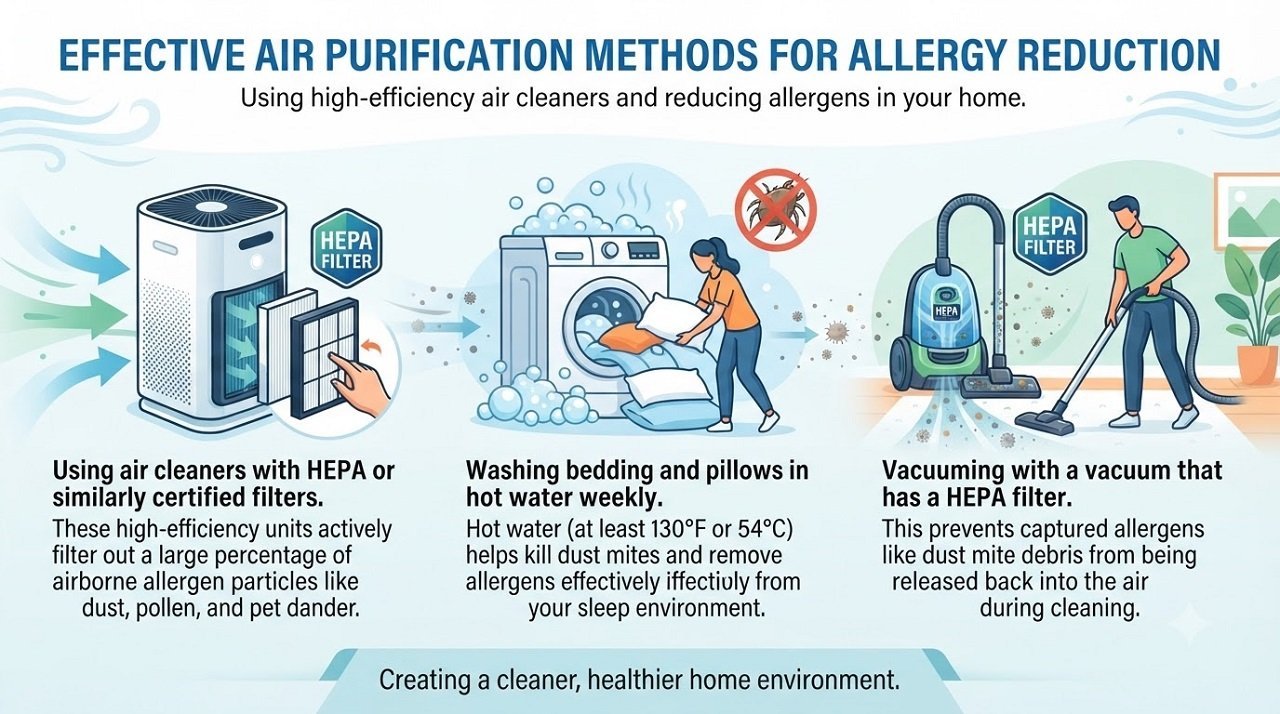
For those looking for allergy-free living tips, making your home more allergen-light is one of the most effective natural strategies available. In the U.S., a large share of homes have measurable dust mite allergen, and many households also deal with pet dander exposure.
Using air purifiers is a genuinely effective move — high-efficiency air cleaners can filter out a large percentage of airborne allergen particles. Washing bedding and pillows in hot water also helps kill dust mites.
Air Purification Methods
- Using air cleaners with HEPA or similarly certified filters
- Washing bedding and pillows in hot water weekly
- Vacuuming with a vacuum that has a HEPA filter
Dust-Free Living Spaces
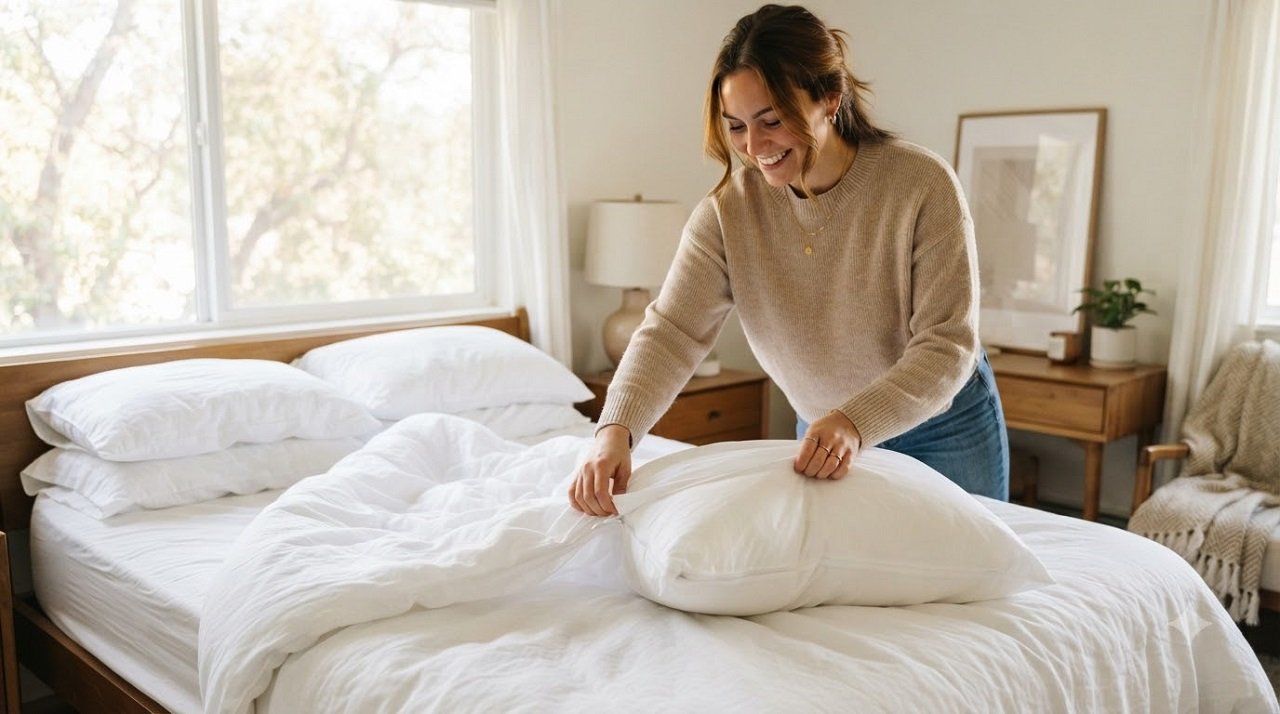
To keep your home more allergen-light, use allergen-proof bedding covers and wash fabrics often. Hard floors are often easier to keep allergen-free than carpets. By following these tips, you can meaningfully reduce your at-home allergen exposure.
| Method | Effectiveness |
|---|---|
| Air cleaners with HEPA or certified filters | Substantially reduces airborne allergen particle levels |
| Washing bedding and pillows in hot water | Effective in killing dust mites |
Medically Supervised Immunotherapy: The Closest Thing to a “Permanent” Fix

This is the piece most natural-allergy articles skip over, and it’s worth being direct about it: the treatment with the best evidence for producing long-term, sometimes lasting reduction in allergy symptoms is allergen immunotherapy — commonly known as allergy shots, or sublingual tablets/drops taken under a doctor’s supervision.
Immunotherapy works by exposing your immune system to gradually increasing, precisely measured doses of a specific allergen over several years, under an allergist’s care, so your body slowly becomes less reactive to it. This is different from casually exposing yourself to allergens at home, which does not reliably build tolerance and, for people with significant allergies, can trigger uncomfortable or even dangerous reactions instead. If you’re interested in a longer-term solution beyond symptom management, ask your doctor about allergy testing and whether immunotherapy is a good fit for you.
Some general immune-supporting habits that pair well with medical treatment include:
- Getting enough sleep, since poor sleep can affect immune regulation
- Eating a nutrient-dense diet, including fermented foods and omega-3-rich foods
- Managing chronic stress, which can influence inflammation levels
Holistic Therapies as a Complement to Medical Care
For those looking for more comprehensive allergy management, holistic therapies can be a useful complement — not a replacement — to medical treatment. By combining natural strategies with appropriate medical care, many people reduce how much medication they need and feel better overall.
Approaches like acupuncture and mind-body practices are sometimes used alongside conventional care. Mind-body practices, like meditation and yoga, help lower stress, which can support overall immune regulation.
Lifestyle habits can also help manage allergies day to day. Eating well, exercising, and managing stress are key. By combining these approaches with appropriate medical care, many people find they need less medication and feel better overall. Some helpful allergy prevention techniques include:
- Practicing good hygiene and reducing allergen exposure where practical
- Using air purifiers and HEPA filters to clean indoor air
- Eating foods with anti-inflammatory properties, like those containing quercetin and omega-3 fatty acids
Seasonal Strategies for Year-Round Protection
As seasons change, using allergy-reducing habits consistently helps you avoid allergen spikes. Combining home strategies with awareness of pollen counts can keep symptoms more manageable.
To reduce exposure to seasonal allergens, stay inside when pollen counts are high, use air conditioning with a clean filter rather than open windows, and shower after spending time outdoors during high-pollen periods to rinse pollen off your skin and hair.
These seasonal strategies help manage allergies across the year. It’s worth remembering that the right combination of strategies is different for each person — working with an allergist to identify your specific triggers makes all of this more effective.
Conclusion: A Realistic, Evidence-Informed Approach to Allergy Relief
Managing allergies well takes a combination of approaches: reducing exposure at home, supporting your body through diet and lifestyle, and knowing when medical treatment — including immunotherapy — is the right next step. Be wary of any remedy that promises a guaranteed permanent cure with no medical involvement; the science simply doesn’t support that for most people.
Being mindful of your environment, avoiding known triggers, and supporting your immune system through consistent habits can genuinely improve your day-to-day quality of life with allergies. With the right combination of strategies — and your allergist’s input when symptoms are significant — most people can get real, lasting relief.
Frequently Asked Questions
Can allergies be cured permanently?
For most people, allergies are managed rather than permanently cured through diet or lifestyle alone. The treatment with the best evidence for long-term, sometimes lasting symptom reduction is medically supervised allergen immunotherapy (allergy shots or sublingual tablets), typically administered over several years.
Does local honey really help with allergies?
Despite being a popular belief, good-quality studies haven’t shown a measurable benefit of local honey over a placebo for seasonal allergies. The pollen bees collect from flowers generally isn’t the same wind-borne pollen that triggers most seasonal allergy symptoms.
What is the fastest natural way to relieve allergies?
Reducing exposure is usually the fastest lever you can pull — closing windows during high pollen counts, running a HEPA air purifier, and rinsing pollen off your skin and hair after being outside can bring relief within the same day.
Can you build immunity to allergies naturally?
Casual, unsupervised exposure to allergens doesn’t reliably build tolerance and can trigger reactions. Medically supervised immunotherapy, which uses precisely measured and gradually increasing allergen doses under a doctor’s care, is the evidence-based way to build long-term tolerance.
When is an allergic reaction an emergency?
If you notice difficulty breathing, swelling of the face or throat, widespread hives with dizziness, or a sudden feeling that something is seriously wrong after allergen exposure, treat it as anaphylaxis and seek emergency care immediately.
What steps can be taken to create an allergy-reducing home environment?
Using HEPA air purifiers, washing bedding in hot water weekly, using allergen-proof bedding covers, and vacuuming with a HEPA-filter vacuum are among the most effective, evidence-supported home strategies.
What holistic therapies can support allergy relief?
Practices like acupuncture and stress-reduction techniques such as meditation and yoga are sometimes used as a complement to medical treatment. Evidence for these varies, so they’re best viewed as supportive, not primary, treatment.
The Bottom Line
Natural strategies genuinely help manage allergy symptoms, reduce flare frequency, and support overall health — but be cautious of any source promising a guaranteed, permanent, medication-free cure. If your allergies are significant or affecting your quality of life, an allergist can test for your specific triggers and talk you through whether immunotherapy is a good option for lasting relief.
Scientific References
- Mayo Clinic — Seasonal allergies: Nip them in the bud: https://www.mayoclinic.org/diseases-conditions/hay-fever/in-depth/seasonal-allergies/art-20048343
- Asthma and Allergy Foundation of America (AAFA) — Control Indoor Allergens: https://aafa.org/allergies/prevent-allergies/control-indoor-allergens/
- University Hospitals — Can Local Honey Help Ease Seasonal Allergies? (on the evidence gap behind the local honey claim): https://www.uhhospitals.org/blog/articles/2025/12/can-local-honey-help-ease-seasonal-allergies
- The Role of Nutritional Aspects in Food Allergy: Prevention and Management (PMC, National Institutes of Health): https://pmc.ncbi.nlm.nih.gov/articles/PMC5579643/
- Confronting allergies: strategies for combating pollution and safeguarding our health (PMC, National Institutes of Health): https://pmc.ncbi.nlm.nih.gov/articles/PMC11747219/
- Cleveland Clinic — Finding Allergy Relief Without Medications: https://health.clevelandclinic.org/natural-remedies-for-seasonal-allergies
- Cedars-Sinai — 6 Ways to Reduce Allergens in Your Home: https://www.cedars-sinai.org/blog/cleaning-reduce-allergies.html
- Healthline — Seasonal Allergies: Symptoms, Causes and Treatment: https://www.healthline.com/health/allergies/seasonal-allergies
- Verywell Health — How to Get Rid of Seasonal Allergies: https://www.verywellhealth.com/how-to-get-rid-of-seasonal-allergies-5218756
- Medical News Today — How to get rid of allergies: Treatment, prevention, and causes: https://www.medicalnewstoday.com/articles/how-to-get-rid-of-allergies
- WebMD — Relieve Allergy Symptoms Without Drugs: https://www.webmd.com/allergies/allergy-relief-without-drugs

Cancer, Chemo, Supplements, and the Immune System

Food Sensitivity Summit

Passionflower Tea for Sleep: Benefits & How It Works

PEMF Webinar

HBOT ( Hyperbaric Oxygen Therapy ) Webinar

The 4-7-8 Breathing Technique: Step-by-Step Guide and What the Research Actually Shows
-
 Events3 weeks ago
PEMF Webinar
-
 Events2 weeks ago
HBOT ( Hyperbaric Oxygen Therapy ) Webinar
-
 Natural Sleep Remedies5 months ago
The 4-7-8 Breathing Technique: Step-by-Step Guide and What the Research Actually Shows
-

 Events4 months ago
Why You Can’t Trust Big Pharma
-
 Events4 months ago
The Anti-Cancer Body with Dr. Michael Karlfeldt
-

 Events4 months ago
The Cancer Conversation Your Oncologist Cannot Have in 15 Minutes
-

 Events5 months ago
Beyond the Brain
-

 Home Remedies4 months ago
Natural Home Remedies for Restless Legs at Night