
Gut Health
Home remedies to improve digestion in toddler: Natural Ways to Soothe Tummy Troubles

The content on this website – including articles, event announcements, personal experiences, and recommendations – is for informational and educational purposes only and is not medical advice. Always consult a qualified healthcare professional before making any changes to your diet, exercise, supplements, sleep habits, or wellness routines, especially if you are pregnant, nursing, on medication, or have any medical condition.

⚠️ Important Disclaimer : Always consult your toddler’s pediatrician before making changes to their diet or trying any home remedy — especially herbal teas, herbs, or supplements. Herbal preparations are not FDA-regulated for consistency or dosing, and even remedies considered generally safe can cause allergic reactions or interact with medications. Check with your pediatrician first, every time, not just for ongoing symptoms.
Home Remedies to Improve Digestion in Toddlers: Gentle and Effective Solutions for a Happy Gut
What if simple, well-chosen changes could genuinely make your toddler’s digestion better? As a parent, you want the best for your child, and a healthy digestive system is a real part of that.
Home remedies can help — but with toddlers specifically, “natural” doesn’t automatically mean “no precautions needed.” Here’s what’s genuinely safe and evidence-supported, and where extra caution matters.
Key Takeaways
- Fiber, fluid, and age-appropriate exercise are the foundation of healthy toddler digestion
- Herbal remedies need pediatrician approval first — this isn’t a formality, since herbal products aren’t regulated for consistent dosing and some carry real allergy risks
- Chamomile specifically can trigger allergic reactions in children with ragweed sensitivities — check with your pediatrician before use, not after a reaction
- Toddlers need roughly 19 grams of fiber daily (ages 1-3), not adult-sized amounts
- Know the genuine warning signs — bloody stools, severe pain, signs of dehydration — that need a doctor, not a home remedy

Understanding Your Toddler’s Digestive System
Toddlers have a developing digestive system, which is part of why digestive hiccups are so common at this age. Saliva begins breaking down food before your toddler even swallows, and the stomach stores, breaks down, and gradually moves food into the small intestine.
A correction worth making: you may see toddler digestion articles state the small intestine is “up to 22 feet long” — that figure describes an adult’s small intestine. A toddler’s digestive tract is proportionally much shorter, since it’s still growing along with the rest of their body. This matters less for practical purposes than for accuracy, but it’s worth knowing the commonly-repeated number isn’t toddler-specific.
Common Digestive Issues in Toddlers
- Constipation: hard or infrequent stools
- Diarrhea: loose or watery stools more than three times a day
- Gas: generally less of a standalone concern in toddlers than in adults, though it often accompanies the two issues above
Signs of Poor Digestion
- Frequent spitting up
- Abdominal discomfort or pain
- Irritability around mealtimes or after eating
When to Consult a Healthcare Provider
Fewer wet diapers, unusual listlessness, or a dry mouth can indicate dehydration — see a healthcare provider promptly if you notice these signs, rather than trying home remedies first.
The Role of Diet in Toddler Digestive Health
Fiber-rich foods — fruits, vegetables, whole grains — genuinely support healthy digestion and help prevent constipation. Toddlers ages 1-3 need roughly 19 grams of fiber daily; ages 4-8 need about 25 grams, per general pediatric nutrition guidelines. This is meaningfully less than adult recommendations, so don’t scale adult fiber targets down casually — these are the actual toddler-specific numbers.
Highly processed foods are worth limiting, since they’re generally low in fiber and can contribute to constipation and disrupt healthy gut bacteria.
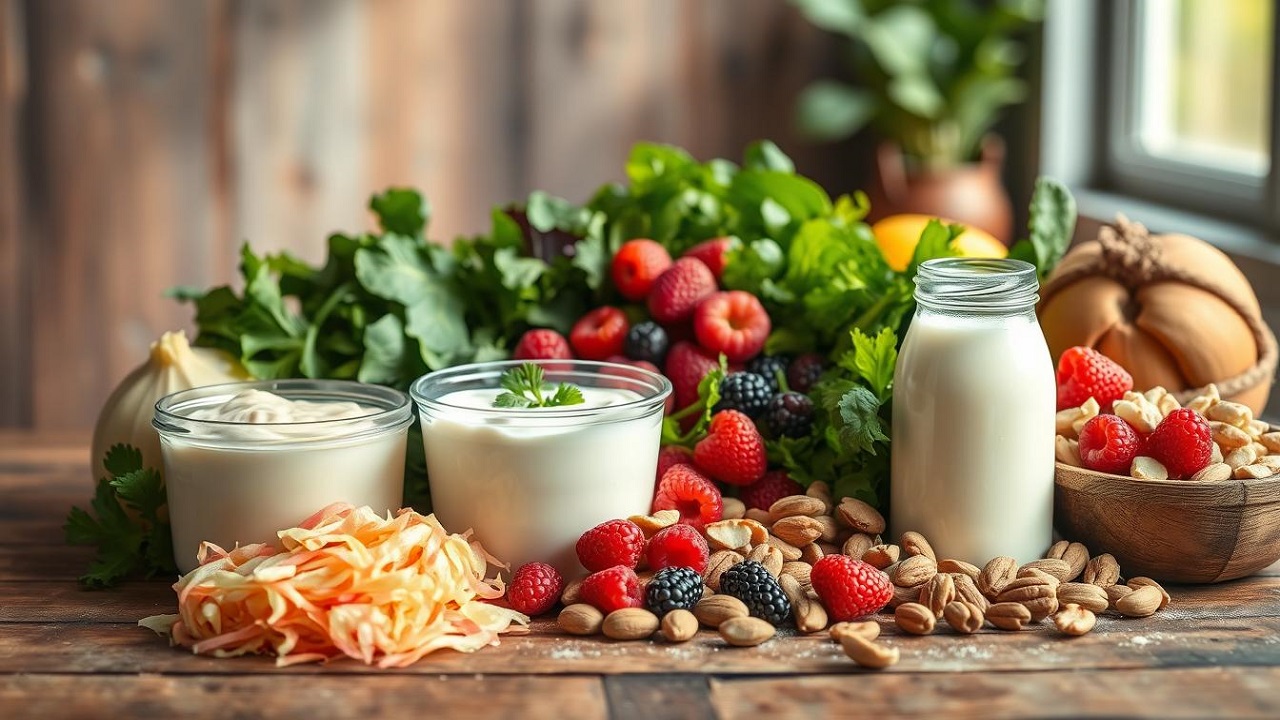
Probiotic-rich foods (yogurt, kefir, and — for older toddlers — mild fermented vegetables) may support gut health, though as with adults, probiotic evidence is generally strain- and use-case-specific rather than a blanket benefit. Introduce any new food, including fermented ones, gradually and one at a time to watch for reactions.
- Fruits: bananas, berries, apples
- Vegetables: broccoli, carrots, sweet potatoes
- Whole grains: brown rice, quinoa, whole wheat bread
- Probiotic-rich foods: yogurt, kefir (check age-appropriateness with your pediatrician)
Every child is different — what helps one toddler may not help another. If digestive issues persist, a pediatrician visit is the right next step, not more trial and error at home.
Natural Herbal Solutions for Better Digestion — Read This Before Trying Any of Them

This is the section that needs the most caution, and it’s worth reading fully before trying anything here.
Ginger and chamomile are sometimes suggested for toddler tummy troubles, but here’s what’s often left out: herbal products aren’t regulated by the FDA for consistent potency or dosing the way medications are, and Poison Control specifically advises checking with your child’s healthcare provider before giving any herbal preparation or tea — not just if something goes wrong afterward. Real, documented harms (including allergic reactions, and in rare cases more serious effects) have occurred from herbal remedies given to young children without medical guidance.
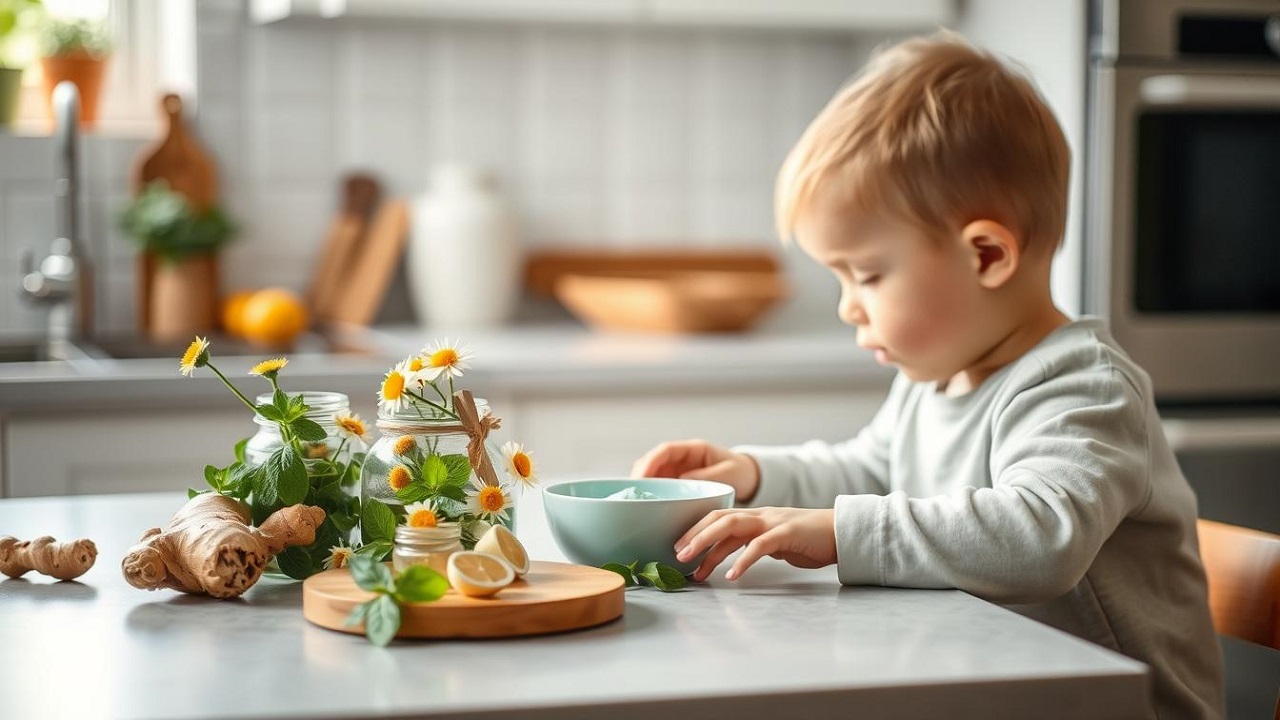
Chamomile specifically: it’s part of the same plant family as ragweed, chrysanthemums, and daisies. Children with ragweed allergies or sensitivities can have allergic reactions to chamomile, and even without a known allergy, reactions — while uncommon — do occur. If your toddler has any history of seasonal allergies, this is a specific reason to check with your pediatrician before offering chamomile in any form.
Ginger is sometimes used for digestive discomfort, but appropriate dosing for toddlers isn’t well-established the way it is for adults, and it can cause heartburn or other effects in sensitive children.
The bottom line: talk to your pediatrician before starting any herbal remedy, including ones you’ll see described elsewhere as “generally safe.” Your pediatrician knows your child’s specific allergy history, medications, and health conditions — a blog post doesn’t.
Home Remedies to Improve Digestion in Toddlers
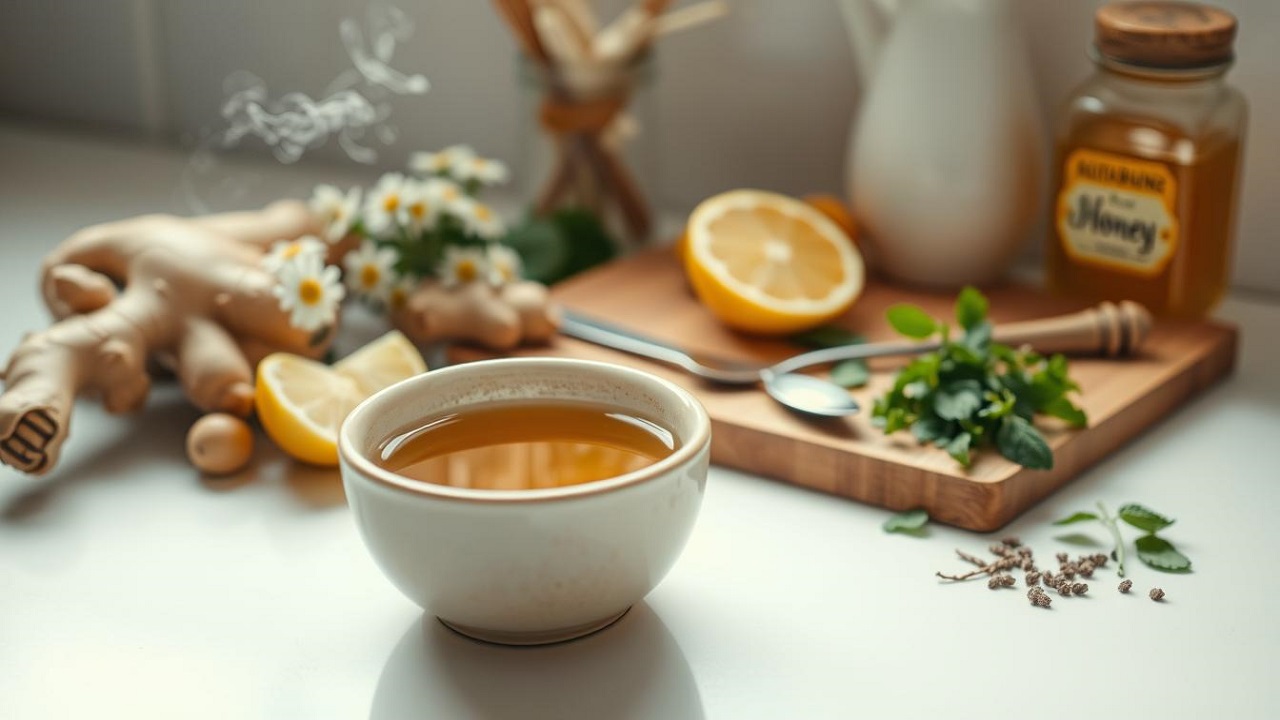
Beyond diet, a few simple, low-risk practices can genuinely help:
Avoiding overfeeding, and burping after meals for younger toddlers still prone to swallowing air.
A warm compress on the belly may ease general digestive discomfort for some toddlers.
Gentle massage (covered in detail below) can support digestion.
A calm eating environment, free of rushing or distraction, supports better digestion generally.
Massage Techniques for Digestive Relief

Gentle tummy massage is a genuinely low-risk, well-tolerated practice that some research supports for easing gas and mild digestive discomfort in young children.
Timing: wait roughly 45 minutes after a meal before massaging, to avoid discomfort or vomiting.
Simple techniques:
- “Hands of a Clock” or “Paddling” — gentle, clockwise circular motions on the belly, following the direction of the digestive tract
- “I Love You” massage — gently tracing the letters I, L, and U on the belly in sequence
- “Bicycle Legs” — gently moving your toddler’s legs in a pedaling motion, which can help move trapped gas
Always use a light touch, and stop if your toddler seems uncomfortable rather than pushing through. If your toddler has any diagnosed digestive condition, check with your pediatrician before starting a massage routine.
Probiotic-Rich Foods for Gut Health
Probiotics are live bacteria that may support gut health and a stronger gut lining. Yogurt, kefir, and (for older toddlers) mild fermented vegetables like sauerkraut are common food sources — look for “live active cultures” on labels, since some processed versions no longer contain them.
As with adults, not all probiotic strains do the same thing — evidence is generally specific to particular strains and particular uses, so treat “probiotics help digestion” as a reasonable general direction rather than a guarantee for any specific symptom.
Hydration Tips and Natural Drinks
Adequate water intake supports digestion and helps prevent constipation. Offer water regularly throughout the day, including around mealtimes.
On juice specifically: current pediatric guidance recommends limiting juice — no juice at all under 12 months, and no more than about 4 ounces daily for toddlers 1-3 years old, per general pediatric nutrition guidance. If you’re offering juice for hydration or digestive support, stick to this limit and choose 100% juice without added sugar, not a substitute for water as the primary fluid.
Herbal teas (like chamomile) are sometimes suggested for toddler tummy troubles, but per the caution above, check with your pediatrician first — this applies to tea just as much as any other herbal preparation. Coconut water is a reasonable, lower-concern hydration option worth discussing with your pediatrician if you’re looking for an alternative to plain water.
Physical Activities to Aid Digestion
Regular movement — brisk walking, active play, swimming appropriate for toddlers — supports healthy digestion and regular bowel movements as part of an active daily routine.
Gentle activities that engage the core, like assisted “bicycle” leg movements (described above) or simple floor play, can also support digestion in young children. Formal exercises like squats aren’t relevant for toddlers the way they would be for older children or adults — active play is the appropriate equivalent at this age.
Creating a Digestive-Friendly Meal Schedule
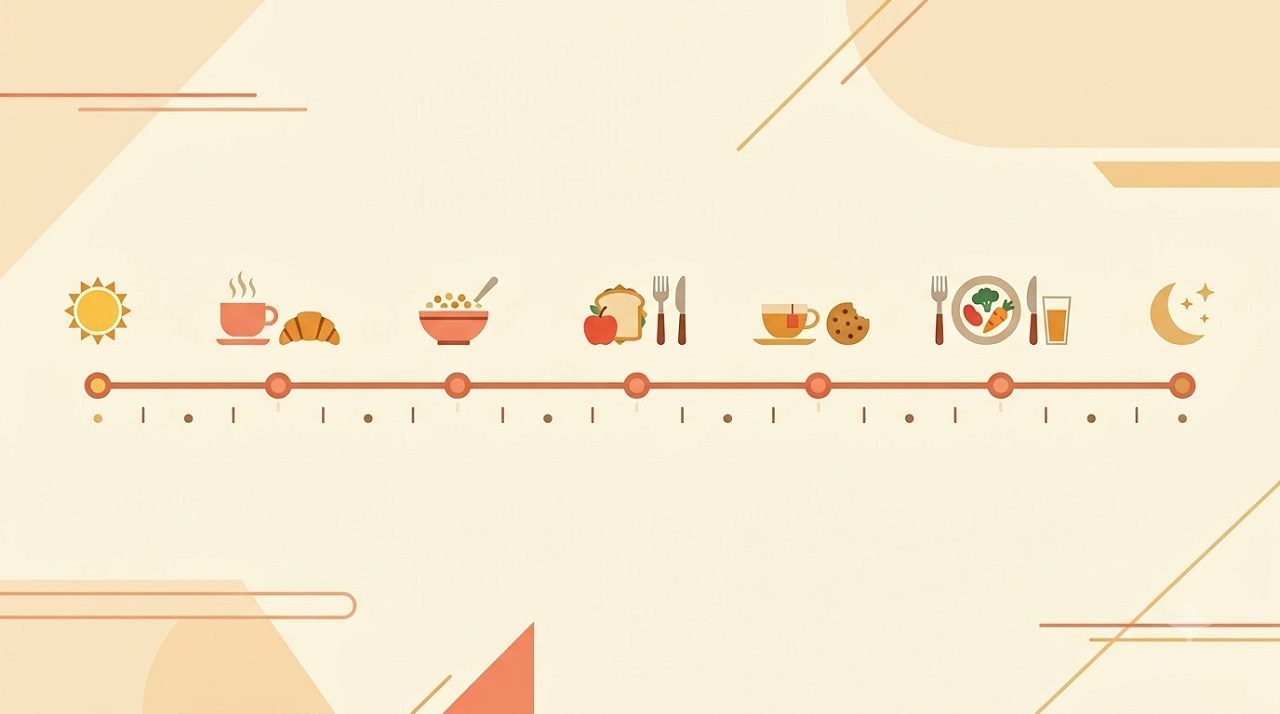
Toddlers generally do well with three main meals and two to three snacks spread through the day, rather than large, infrequent meals — this supports steadier digestion and helps avoid overeating at any single sitting.
| Age Group | Recommended Fiber Intake |
|---|---|
| 1-3 years | 19 grams per day |
| 4-8 years | 25 grams per day |
Always check with your pediatrician before making significant changes to your toddler’s diet or meal schedule, particularly if they have any diagnosed condition or growth concerns.
Warning Signs and Red Flags
Home remedies are appropriate for mild, everyday digestive hiccups — not for these warning signs, which need prompt medical attention:
| Warning Sign | What It Means |
|---|---|
| Bloody stools | Blood present in the stool |
| Severe abdominal pain | Persistent, significant pain, not general fussiness |
| Vomiting bile | Yellow or green vomit |
| Signs of dehydration | Fewer wet diapers, dry mouth, unusual lethargy |
If you see any of these, contact your pediatrician promptly rather than trying a home remedy first.
Conclusion
Supporting your toddler’s digestion is genuinely achievable with the right, age-appropriate approach — adequate fiber, hydration, gentle movement, and safe massage techniques all have real value. The one place worth real caution: herbal remedies. They’re not automatically risk-free just because they’re natural, and checking with your pediatrician first — not as an afterthought — is the safest way to use them if you choose to.
Read Also : How Do i Restore My Gut Biome
FAQ
What are the common digestive issues in toddlers?
Constipation, diarrhea, and occasional gas are the most common.
What are the signs of poor digestion in toddlers?
Frequent spitting up, abdominal discomfort, and irritability around meals are common early signs.
When should I consult a healthcare provider for my toddler’s digestive issues?
If symptoms persist, or if you notice bloody stools, severe pain, or signs of dehydration (fewer wet diapers, dry mouth, unusual lethargy).
What role does diet play in improving digestion in toddlers?
Adequate fiber (about 19g/day for ages 1-3) and hydration are foundational; probiotic-rich foods may help support gut health.
Are herbs like ginger and chamomile actually safe for toddlers?
Check with your pediatrician first, every time — herbal products aren’t regulated for consistent dosing, and chamomile specifically can trigger allergic reactions in children with ragweed sensitivities. This is a real precaution, not just a formality.
How can I perform a tummy massage to help my toddler’s digestion?
Gentle clockwise circular motions on the belly, waiting about 45 minutes after meals — see the massage section above for specific techniques.
What are some probiotic-rich foods that can benefit my toddler’s digestion?
Yogurt and kefir with live active cultures are common, well-tolerated options for toddlers.
How can I ensure my toddler stays hydrated to support digestion?
Offer water regularly throughout the day; limit juice to about 4 oz/day for toddlers 1-3 (none under 12 months), per general pediatric guidance.
What physical activities can help improve digestion in toddlers?
Active play, walking, and gentle assisted movements like “bicycle legs” support healthy digestion at this age.
How can I create a digestive-friendly meal schedule for my toddler?
Three main meals plus two to three snacks spread through the day, rather than large infrequent meals.
What are the warning signs and red flags for digestive issues in toddlers?
Bloody stools, severe abdominal pain, vomiting bile, and signs of dehydration all need prompt medical attention.
Sources Referenced in This Article
- Poison Control — Don’t Give Herbal Supplements to Infants
- NCCIH — Chamomile: Usefulness and Safety
- Contemporary Pediatrics — Herbs Are Helpful, But Use With Caution in Children
- Healthline — Teas for Toddlers: Which Are Safe, Helpful for Coughs, and More
- KidsHealth — Your Digestive System (for Kids)
- NIDDK — Eating, Diet, & Nutrition for Constipation in Children
- Stanford Children’s Health — 5 Ways to Boost Your Child’s Gut Health











Disclaimer: This article provides general educational information and is not a substitute for medical advice. Severe or one-sided abdominal pain, especially with fever or vomiting, needs prompt medical evaluation to rule out conditions like appendicitis, which can initially feel similar to trapped gas.
Most gas-relief guides give you a list of poses without explaining why they work — or worse, without telling you which direction actually matters. Here’s the anatomical detail that makes these techniques more effective: your colon has a specific shape and path through your abdomen, and working with that path, not against it, is what actually moves trapped gas along faster.
Why Direction Actually Matters

Your colon runs up the right side of your abdomen (ascending colon), across the top (transverse colon), and down the left side (descending colon) before reaching the rectum. This is why yoga instructors specifically recommend twisting to your right side first — it compresses the ascending colon in the direction gas is naturally moving, rather than against it.
For the same anatomical reason, lying on your left side — knees drawn toward your chest — is a specifically effective position for releasing trapped gas through belching, since it uses your stomach and colon’s natural position to help a gas pocket rise and move out, rather than being a generic “any side works” tip.
Techniques That Actually Target Trapped Gas
Wind-Relieving Pose (Pavanamuktasana): Lie on your back, bring both knees to your chest, and gently hug them in. This creates direct abdominal compression over the area where gas commonly gets trapped. Hold for 20-30 seconds, release, and repeat as needed. If two knees feels too intense, try one knee at a time.
Right-first seated twist: Sit with legs extended, bend your right knee and cross it over your left leg, and twist your torso to the right first (following the ascending colon), holding for 3-5 breaths before switching sides. This directional sequencing is the detail most instructions skip.
Left-side-lying position: Lie on your left side with knees drawn toward your chest. This is a specific, anatomically-grounded position, not interchangeable with lying on your right.
Child’s Pose: Kneel and lower your glutes to your heels, forehead to the floor, knees wide for greater abdominal compression. This encourages your body’s “rest and digest” response, which supports gas movement alongside the direct compression.
Cat-Cow flow: Alternating between arching and rounding your back gently massages your digestive organs and can help move gas along, particularly useful if a single static pose isn’t providing relief.
Movement and Breathing
Deep diaphragmatic breathing — expanding your belly on the inhale, drawing your navel toward your spine on the exhale — engages your abdomen directly and supports your parasympathetic (“rest and digest”) nervous system, which helps digestion move along rather than staying tense and slow.
A short walk can also help when a pose alone isn’t providing relief — gentle movement stimulates peristalsis (the wave-like muscle contractions that move gas and stool through your intestines).
What’s Normal (And What Isn’t)
Passing gas 13-21 times a day is within the normal range — trapped gas becomes uncomfortable specifically when it gets stuck rather than passing normally, not because gas itself is a problem.
When It’s Not Just Gas
Trapped gas pain can occasionally feel similar to something more serious. Seek prompt medical care if you have:
- Severe pain, especially concentrated in the lower right abdomen (a potential sign of appendicitis)
- Fever alongside abdominal pain
- Persistent vomiting
- Pain that doesn’t improve with movement or position changes after a reasonable amount of time
- Blood in your stool
Frequently Asked Questions
Which side should I lie on for gas pain?
Your left side, with knees drawn toward your chest — this position is specifically effective (not just “any side”) based on where your stomach and colon sit anatomically.
What is the fastest way to release trapped gas?
Combining wind-relieving pose (knees to chest) with left-side-lying and gentle movement tends to work faster than a single static pose alone.
Why does twisting help with gas?
Twisting to your right side first follows the actual path of your ascending colon, compressing it in the direction gas is naturally moving rather than working against that path.
How many times a day is it normal to pass gas?
Between 13 and 21 times daily is considered within the normal range.
Sources Referenced in This Article
- Liforme — The 8 Best Yoga Poses to Relieve Gas & Bloating
- Gas-X — Yoga Positions for Relieving Gas Discomfort
- Apollo 247 — Best Yoga Positions to Relieve Gas and Bloating
- Healthline — How to Fart: Tips for Relieving Trapped Gas
- JustFit — Top 8 Yoga Positions to Relieve Gas and Reduce Discomfort
Gut Health
How to Improve Gut Health with Home Remedies: 10 Kitchen-Cabinet Staples That Actually Help
⚠️ Important Disclaimer: Always consult a qualified healthcare professional before making any changes to your diet, exercise, supplements, sleep habits, or wellness routines, especially if you are pregnant, nursing, on medication, or have any medical condition.
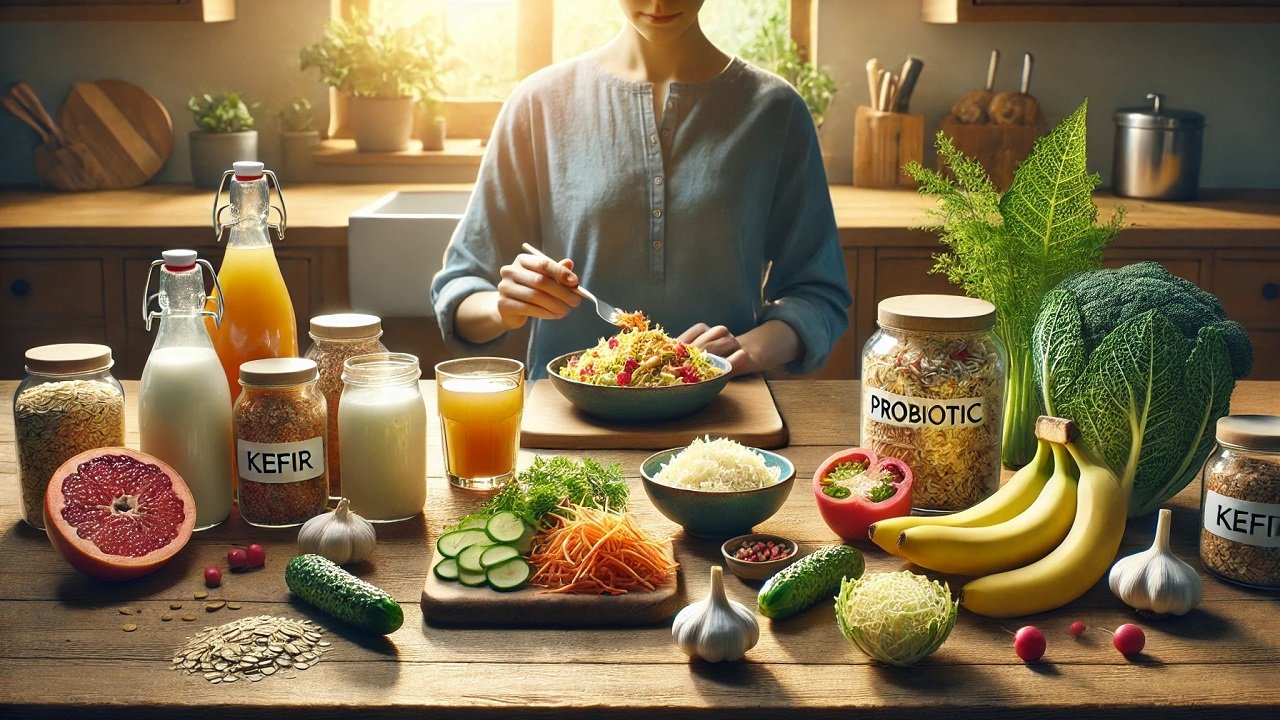
If you want the deeper explainer on how your gut microbiome actually works long-term, we’ve covered that here, and for a quick-hit list of daily habits, see our gut health hacks guide. This piece is different: it’s specifically about what’s already in your kitchen that can help with everyday digestive comfort — what actually has research behind it, and one absorption trick most articles about these ingredients leave out entirely.
Key Takeaways
- Probiotics and fermented foods introduce live bacteria; prebiotic fiber feeds the bacteria you already have — they work differently, not interchangeably
- Turmeric’s active compound, curcumin, is poorly absorbed alone — pairing it with black pepper increases absorption by up to 2,000%, based on real research most turmeric content doesn’t mention
- Bone broth is traditionally used for gut support, but its “gut-healing” reputation is more theoretical than clinically proven — worth knowing before treating it as a fix
- Ginger has some of the strongest evidence of any home remedy here, particularly for nausea
- These are supportive, everyday remedies — persistent or severe digestive issues need a doctor, not a home remedy
1. Probiotics
Probiotics are live bacteria that can support digestion and, in specific situations, help manage inflammation. They work best as part of a consistent routine rather than a one-time fix:
- Start with modest servings of fermented foods like yogurt and kefir
- Introduce them gradually rather than all at once, to see how your body responds
- Pair them with prebiotic fiber (see #3 below), since prebiotics feed the bacteria probiotics introduce
Integrating natural ways to boost gut health, like including probiotics, creates a holistic approach to maintaining a balanced digestive system. Remember, even small adjustments such as opting for foods to support gut microbiome can lead to a healthier and more comfortable gut.
Research on probiotics is genuinely strain-specific — some strains have solid evidence for particular uses (like reducing antibiotic-associated diarrhea), but “probiotics help digestion” as a blanket claim oversimplifies what’s actually strain-dependent research. If you’re taking a supplement for a specific reason, look for the named strain on the label rather than a vague “probiotic blend.” For more on this distinction, see DIY gut health tips from Harvard Health.
2. Fermented Foods
Fermented foods have been used for centuries to introduce beneficial bacteria into the diet through a natural fermentation process where bacteria break down sugars and create compounds that support digestion.
| Food | Main Ingredient | Notable Benefit |
|---|---|---|
| Sauerkraut | Cabbage | Simple, accessible source of live cultures |
| Kimchi | Mixed vegetables, often spicy | Adds variety alongside probiotic content |
| Kefir | Dairy or non-dairy | Drinkable, often broader strain diversity than yogurt |
Look for “live and active cultures” specifically on the label — pasteurization used in some store-bought products kills the bacteria that make fermented foods beneficial in the first place.
Incorporating a variety of these foods into your daily diet can help improve digestion and may contribute to a more balanced gut environment. Enjoy them in small portions and watch your gut start to feel happier over time.
3. Prebiotic Fiber
Prebiotic fiber is a nondigestible carbohydrate that feeds the beneficial bacteria already living in your gut — a different mechanism from probiotics, which introduce new bacteria. You’ll find prebiotic fiber in everyday foods:
| Food | Fiber (g/serving) |
|---|---|
| Banana | 3.1 |
| Asparagus | 2.8 |
| Oats | 4.0 |
Regularly adding prebiotic fiber could be a simple, everyday change that improves your overall digestive health.
Regularly including prebiotic-rich foods is one of the more consistently evidence-backed levers in gut health — see Tiny Health’s overview of prebiotics for more detail on specific food sources.
4. Bone Broth
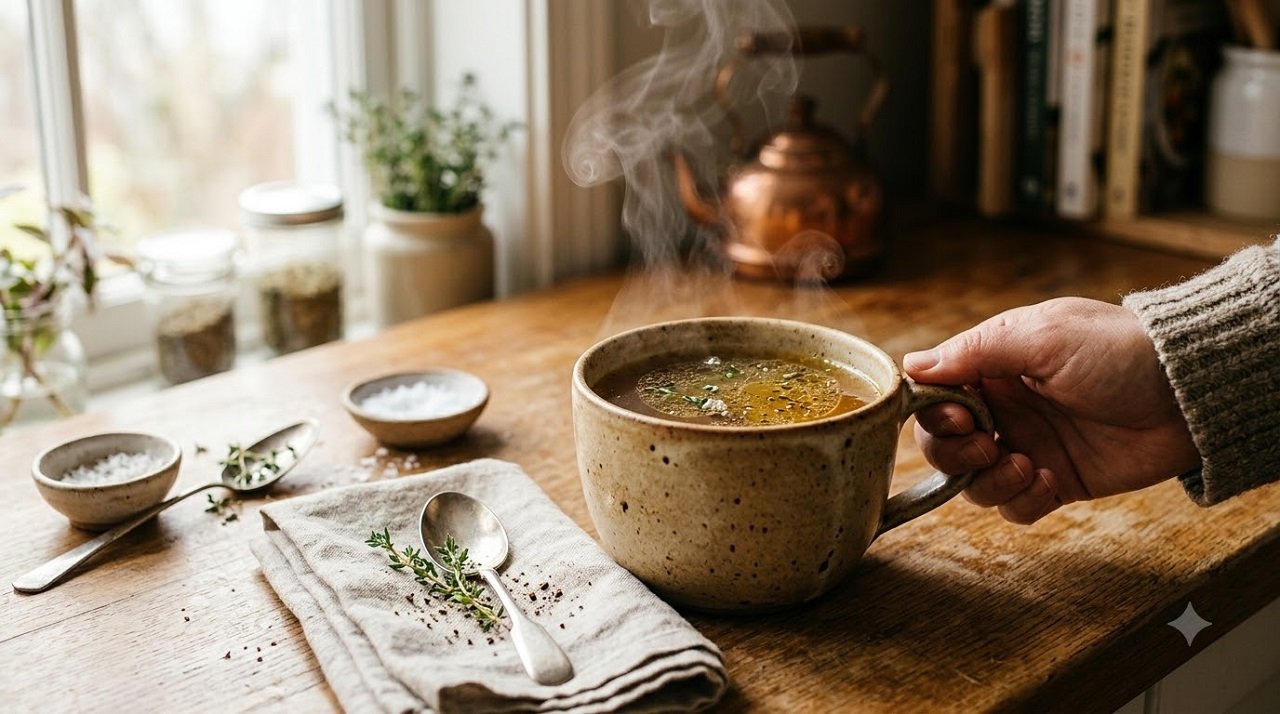
Bone broth is made by simmering bones for an extended period, extracting protein, some minerals, and gelatin.
| Nutrient | Amount per Serving |
|---|---|
| Protein | 12-18g |
| Collagen | Present, amount varies |
| Minerals | Varies by ingredients |
Worth being honest about: bone broth’s reputation for “healing” the gut lining rests mainly on tradition and theoretical mechanism (the idea that dietary collagen/gelatin supports your gut’s own lining) rather than strong clinical trial evidence. It’s a nutritious, generally safe food that some people find soothing — that’s a reasonable enough reason to include it — but treat “heals your gut” as an overstatement of what’s actually been proven. For more background, see Healthline’s overview of bone broth.
Enjoying a warm cup of bone broth on a chilly day can feel like giving your body a little hug from the inside out. Its simplicity and nourishing profile make it a go-to for anyone looking to naturally support gut health.
5. Healthy Fats
Dietary fat helps your body absorb certain vitamins and supports overall digestive function.
| Source | Benefit | Serving Size |
|---|---|---|
| Avocado | Monounsaturated fats | 1/2 fruit |
| Olive oil | Anti-inflammatory properties | 1 tbsp |
| Fatty fish | Omega-3 fatty acids | 3 oz |
Healthy fats are more than just a source of energy. They assist in keeping your gut lining intact, which might help your overall digestive process.
Moderation matters here, same as with any calorie-dense food group — a good mix of these fats supports digestion without needing large quantities.
6. Whole Grains
Whole grains provide fiber and minerals that support regular digestion.
| Grain | Fiber (g/serving) | Calories | Note |
|---|---|---|---|
| Oats | 4 | 150 | Good breakfast option |
| Brown rice | 3.5 | 215 | Simple swap for white rice |
| Quinoa | 5 | 222 | Higher in protein than most grains |
Simple swaps — brown rice instead of white, whole wheat bread instead of white bread — add up over a week without requiring a full diet overhaul.
7. Leafy Greens
Leafy greens provide fiber, vitamins, and antioxidants that support digestive health.
| Vegetable | Calories | Fiber (g) | Vitamin K (mcg) |
|---|---|---|---|
| Spinach | 7 | 0.7 | 145 |
| Kale | 33 | 1.3 | 547 |
| Swiss chard | 7 | 0.6 | 299 |
Including leafy greens in your daily diet can be a smart, simple way to support digestion naturally. They’re easy to add and come with lasting benefits for your gut.
If raw greens aren’t appealing, cooking them into soups or stews is an easy way to include them without changing your meals much.
8. Garlic
Garlic contains compounds studied for both antimicrobial and prebiotic-like effects on gut bacteria.
| Compound | Source | Potential Benefit |
|---|---|---|
| Allicin | Fresh garlic | Antimicrobial action |
| Diallyl disulfide | Garlic oil | May reduce inflammation |
| S-allyl-L-cysteine | Aged garlic extract | Prebiotic-like activity |
Including garlic regularly in your diet isn’t a cure-all, but it could be a helpful piece in supporting a balanced gut environment. Consider fresh or aged garlic options to see which works best for your meals.
Human clinical evidence specifically for garlic’s gut effects is still developing — it’s a reasonable, low-risk addition to a gut-supportive diet, not a clinically proven treatment on its own.
9. Ginger
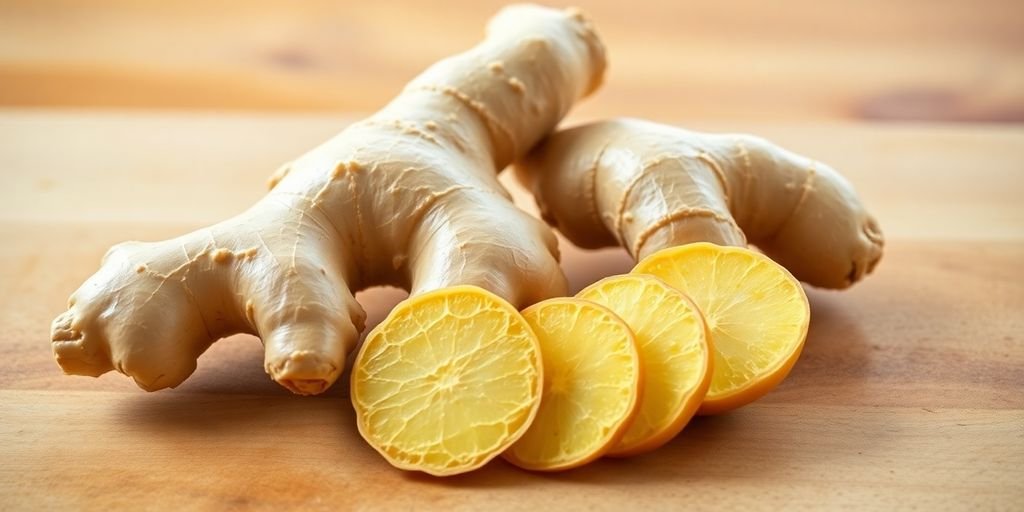
Ginger is one of the better-evidenced remedies on this list, particularly for nausea — it’s used clinically for pregnancy-related and chemotherapy-related nausea, which reflects genuinely solid research, not just traditional use.
| Benefit | How It Helps |
|---|---|
| Digestion | Eases discomfort, promotes smoother digestion |
| Nausea relief | Calms an upset stomach — its best-evidenced use |
| Mild anti-inflammatory | May help with general digestive discomfort |
Fresh ginger is a handy ingredient to add to your meals or drinks with little extra effort. It’s a simple way to tap into its natural benefits without much fuss.
Simple ways to use it: mild ginger tea (simmered slices in water), grated fresh into soups or stir-fries, or blended into a smoothie. Use it thoughtfully if you have a sensitive stomach or take medications, since it can interact with some blood thinners.
10. Turmeric
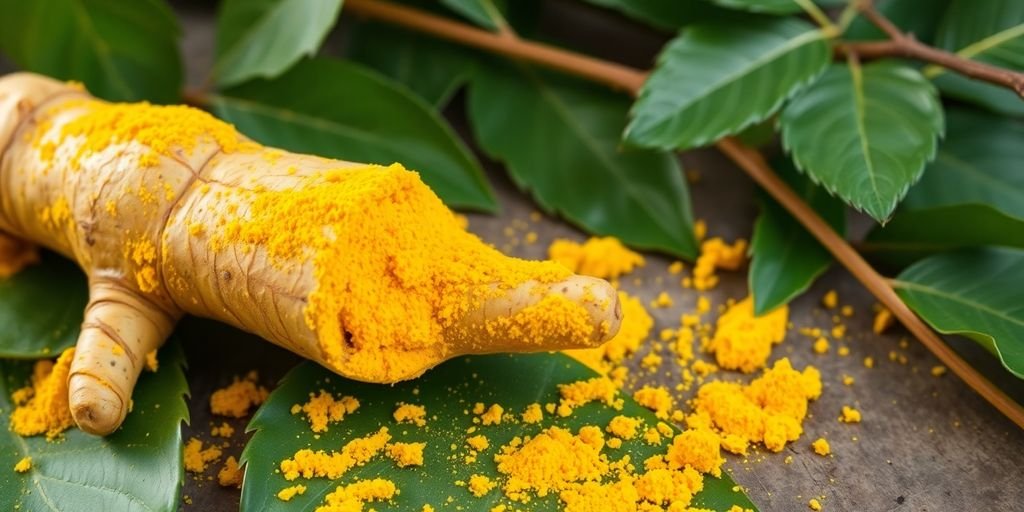
Turmeric contains curcumin, a compound studied for anti-inflammatory and antioxidant effects that may support digestive comfort.
| Property | Benefit |
|---|---|
| Anti-inflammatory | May reduce gut irritation |
| Antioxidant | Counters oxidative stress |
| Digestive aid | May support overall digestion |
The detail most turmeric content leaves out: curcumin on its own is poorly absorbed by your body — your liver processes it quickly before much reaches your bloodstream. A landmark human study (Shoba et al., 1998) found that combining curcumin with piperine (the active compound in black pepper) increased curcumin’s bioavailability by up to 2,000%. In practice, this means: add a pinch of black pepper whenever you use turmeric — in golden milk, curries, or a turmeric supplement — if you actually want your body to use more of it. Consuming turmeric with a source of fat (like coconut oil or nut butter) also improves absorption, since curcumin is fat-soluble. For more detail, see Healthline’s overview of turmeric and black pepper.
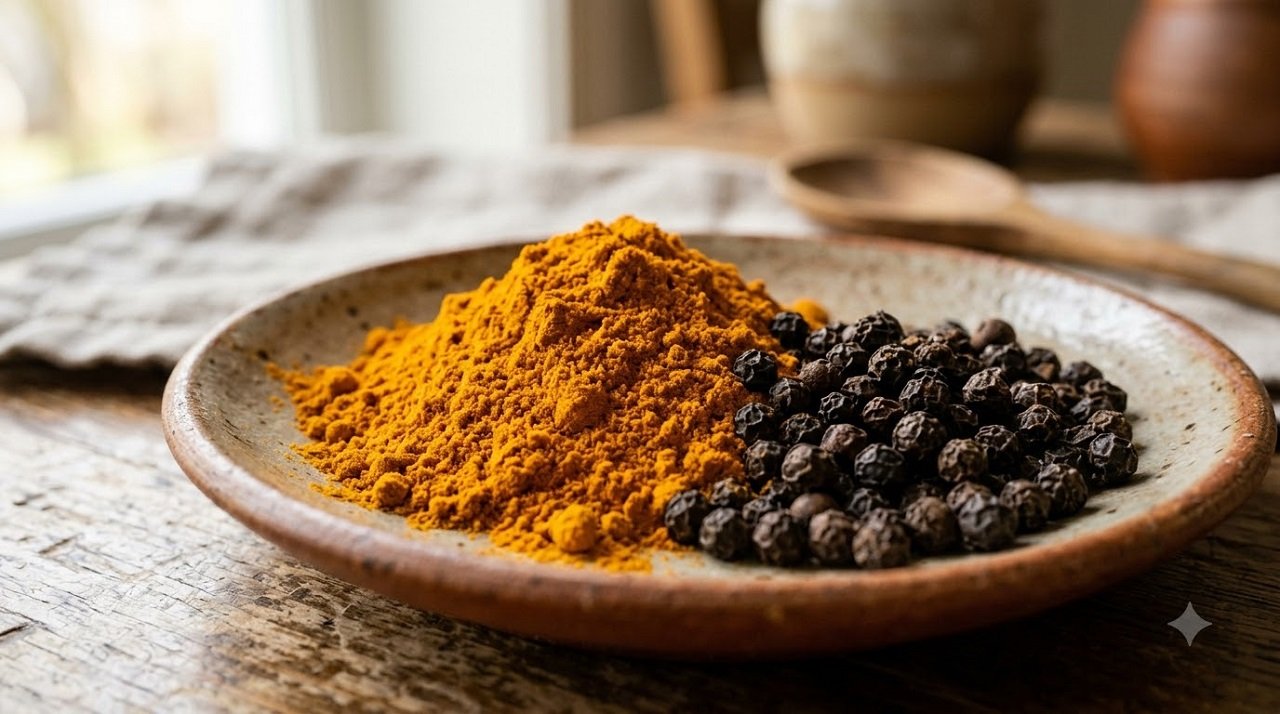
Adding turmeric to daily meals or drinks might be a small change that leads to a more balanced gut and smoother digestion. Enjoy experimenting with it until you find a routine that works for you.
When These Remedies Aren’t Enough
These are supportive, everyday tools for general digestive comfort — not a treatment for a diagnosed condition. See a doctor if you experience persistent changes in bowel habits, unexplained weight loss, blood in your stool, or digestive discomfort that doesn’t improve with the basics above.
Final Thoughts on Nurturing Your Gut Health
Improving your gut health with home remedies doesn’t require an overhaul — probiotics, fiber-rich foods, and a few well-chosen kitchen staples like ginger and turmeric (paired correctly with black pepper) can genuinely support digestive comfort. Small, consistent changes add up more reliably than any single “miracle” remedy.
FAQ
What is gut health?
How well your digestive system functions, including the balance of bacteria in your gut that supports digestion, immunity, and other processes.
Why are probiotics important?
They introduce beneficial bacteria that support digestion and immune function — though evidence is strain-specific, not a blanket benefit from any probiotic.
How do fermented foods help gut health?
Foods like yogurt and sauerkraut contain live bacterial cultures that can add beneficial bacteria to your gut, provided they still contain “live and active cultures” at the point you eat them.
What are prebiotic fibers?
Nondigestible fiber types that feed the beneficial bacteria already in your gut. Bananas, asparagus, and oats are common sources.
Does turmeric actually help digestion?
There’s reasonable evidence for curcumin’s anti-inflammatory properties, but poor absorption limits its effect unless paired with black pepper (piperine) or a fat source — a detail worth knowing before assuming turmeric alone is doing much.
Is bone broth good for gut healing?
It’s nutritious and traditionally used for digestive comfort, but the specific “heals your gut lining” claim is more theoretical than clinically proven — reasonable to include, not a guaranteed fix.
Can stress affect gut health?
Yes — chronic stress is documented to disrupt gut bacterial balance and intestinal permeability through pathways involving cortisol and the vagus nerve.
How can I improve my gut health naturally?
A combination of fiber, fermented foods, adequate hydration, stress management, and consistent sleep — see our full gut biome guide for the complete picture.
Sources Referenced in This Article
- Harvard Health — How to Get More Probiotics
- Tiny Health — Prebiotics for Gut Health
- Healthline — Bone Broth Benefits
- Healthline — Turmeric and Black Pepper: Benefits, Ideal Ratios and Risks
- Shoba, G., et al. “Influence of piperine on the pharmacokinetics of curcumin in animals and human volunteers.” Planta Medica, 1998.
- UMass Medical School — Using Black Pepper to Enhance the Anti-Inflammatory Effects of Turmeric
Disclaimer: This article provides general educational information and is not a substitute for medical advice. See a doctor if constipation is severe, lasts more than a week despite home remedies, or comes with severe pain, blood in your stool, or unexplained weight loss.
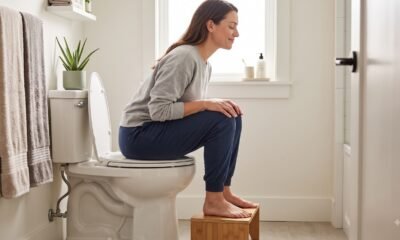
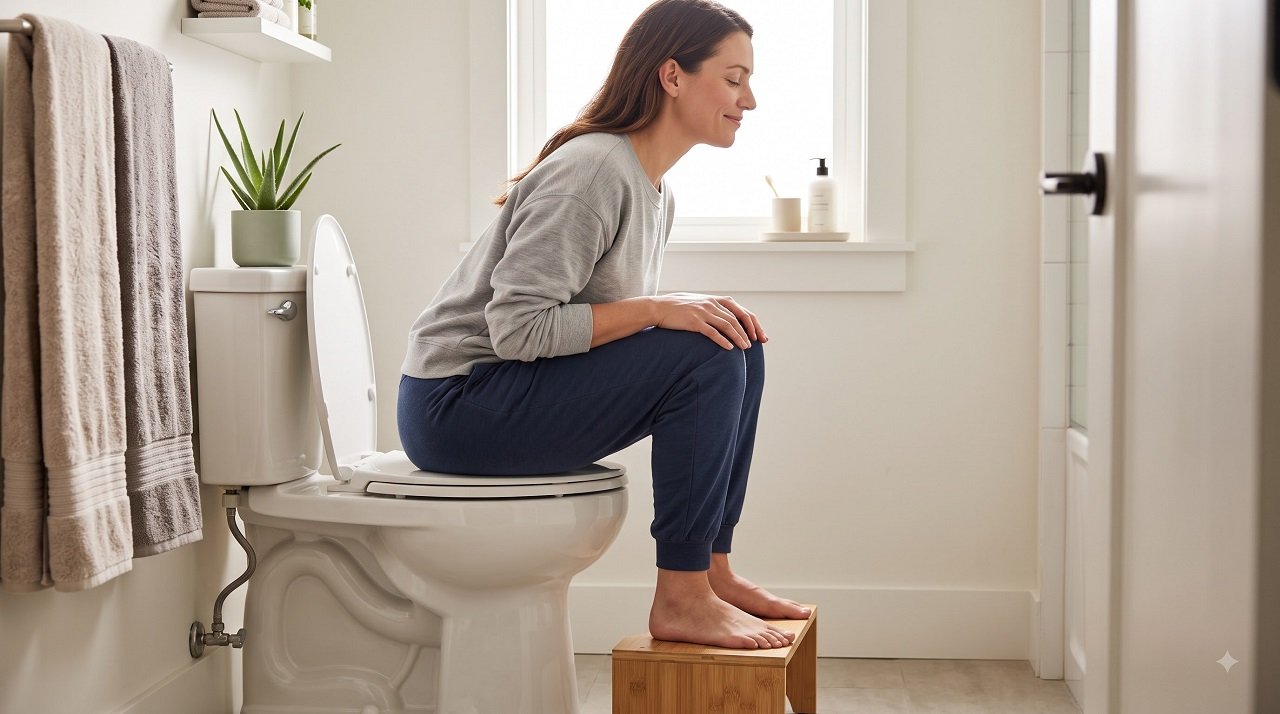
You’ve probably seen “use a footstool” as constipation advice before. Here’s the detail almost every article leaves out: height matters, and it’s not a minor detail. Earlier research on small 4-inch footstools found no measurable difference in straining or time spent on the toilet. A 2019 study in the Journal of Clinical Gastroenterology (Modi et al.) tested a taller device — around 8-9 inches, closer to a genuine squatting height — with 52 participants, and found real, measurable improvements: increased feelings of complete bowel emptiness, reduced straining, and roughly a minute less time spent on the toilet.
Why Posture Actually Matters (Not Just Folk Wisdom)
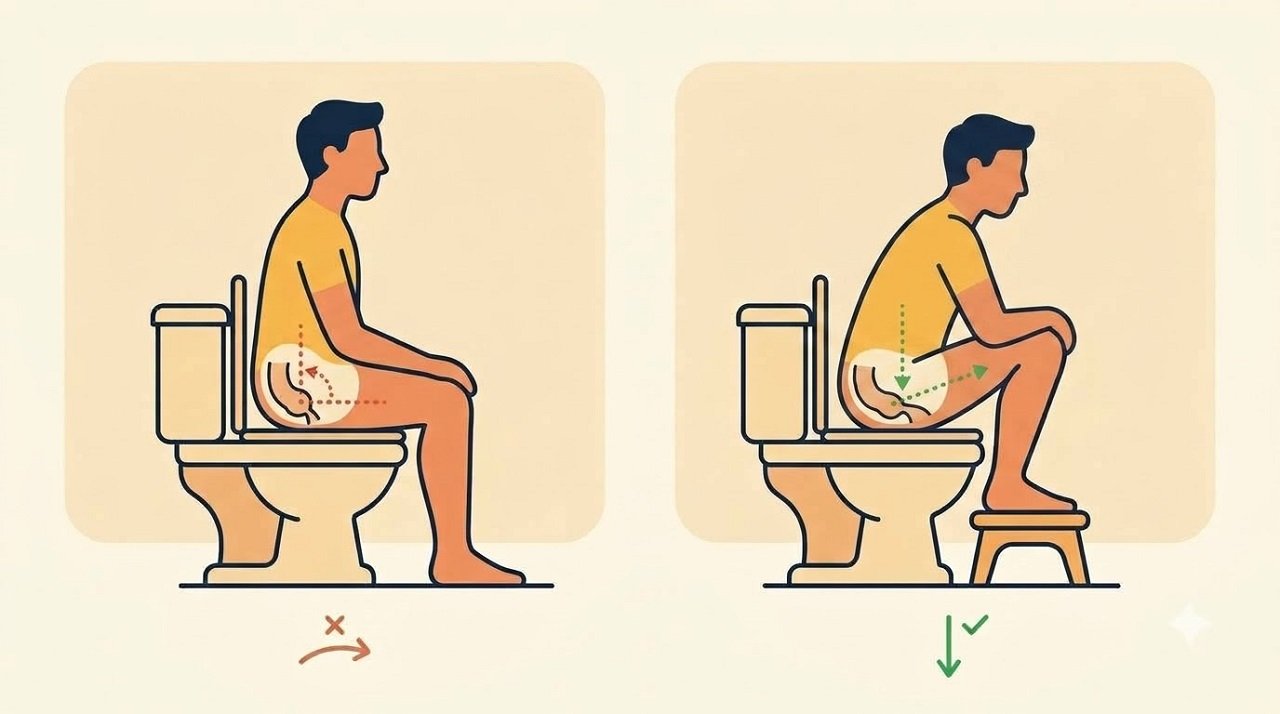
When you sit upright on a standard Western toilet, your rectum and anus meet at a slightly kinked angle — the anorectal angle — which makes passing stool harder and increases straining. Squatting straightens that angle out. A 2025 scoping review in PMC, analyzing 42 studies, confirmed squatting reduces digestive strain and improves bowel evacuation compared to sitting, while noting sitting toilets remain more comfortable for some populations, like older adults with joint or mobility concerns.
How to actually do this on a normal toilet: use a stool tall enough to bring your knees clearly above your hip level — roughly 7-9 inches, not the smaller 4-inch stools that earlier research found ineffective. Lean slightly forward with your elbows resting on your knees (sometimes called “the Thinker” position, studied by Takano & Sands, 2016) for an even closer approximation of a true squat.
Beyond Posture: Other Genuinely Fast-Acting Options
Warm liquids first thing in the morning — warm water or coffee can stimulate the gastrocolic reflex, the same reflex responsible for the urge to go shortly after waking or eating.
Gentle abdominal massage — massaging in a clockwise direction (following the direction of your colon) can help stimulate movement; this is a low-risk, genuinely accessible option worth combining with posture changes rather than using alone.
Movement — even a short walk can help stimulate bowel motility faster than staying sedentary.
Don’t delay the urge — when you feel the urge to go, act on it reasonably soon. Repeatedly holding it in (squeezing the pelvic floor to delay) trains your body to override the signal over time, making constipation more likely, not less.
What’s Likely Causing It
Hard, difficult-to-pass stool usually means your colon has absorbed more water than usual from the stool before you passed it — commonly from dehydration, low fiber intake, or delaying bowel movements repeatedly. This is why posture changes work best as an immediate, one-time fix — they don’t address the underlying cause if dehydration or low fiber is a recurring pattern in your diet.
When to See a Doctor Instead of Trying Another Remedy
- Constipation lasting more than a week despite home remedies
- Severe abdominal pain
- Blood in your stool
- Unexplained weight loss
- Alternating constipation and diarrhea
These can indicate something beyond ordinary constipation that needs proper evaluation.
Frequently Asked Questions
What is the fastest way to relieve constipation?
Combining proper toilet posture (a tall enough footstool, roughly 7-9 inches, leaning forward) with a warm drink and gentle movement is the most immediately actionable combination with real research behind it.
Does squatting really help you poop?
Yes — multiple studies, including a 2019 randomized trial and a 2025 review of 42 studies, confirm squatting posture reduces straining and improves bowel evacuation compared to sitting upright, by straightening the anorectal angle.
How high should a toilet footstool be?
Research suggests height matters — small 4-inch stools weren’t found effective in earlier studies, while taller devices (roughly 8-9 inches) that bring your knees clearly above hip level showed real, measurable benefits.
Is it bad to hold in a bowel movement?
Yes, if it’s a repeated pattern — regularly delaying the urge trains your body to override the signal over time, which can contribute to ongoing constipation.
Sources Referenced in This Article
- Modi, R.M., et al. “Implementation of a Defecation Posture Modification Device: Impact on Bowel Movement Patterns in Healthy Subjects.” Journal of Clinical Gastroenterology, 2019. Referenced via NutritionFacts.org
- “Sitting vs. squatting: a scoping review of toilet postures and associated health outcomes.” PMC, 2025. pmc.ncbi.nlm.nih.gov/articles/PMC12219158
- Takano, S., Sands, D.R. “Influence of body posture on defecation: a prospective study of ‘The Thinker’ position.” Techniques in Coloproctology, 2016.
- Medical News Today — Best Poop Position: Tips for Relieving Constipation


From Leaky Gut to Resilience: The Beta Glucan Breakthrough

Chamomile Tea for Sleep: How Much to Drink (And When)

Instant Relief for Trapped Gas Pain: Why Direction Matters More Than the Pose

PEMF Webinar

Why You Can’t Trust Big Pharma

The Anti-Cancer Body with Dr. Michael Karlfeldt
-
 Events2 months ago
PEMF Webinar
-
 Events3 months ago
Why You Can’t Trust Big Pharma
-
 Events4 months ago
The Anti-Cancer Body with Dr. Michael Karlfeldt
-

 Events3 months ago
The Cancer Conversation Your Oncologist Cannot Have in 15 Minutes
-

 Natural Sleep Remedies4 months ago
The 4-7-8 Breathing Technique: Step-by-Step Guide and What the Research Actually Shows
-

 Events5 months ago
Beyond the Brain
-

 Events4 weeks ago
HBOT ( Hyperbaric Oxygen Therapy ) Webinar
-
 Gut Health3 months ago
Unlock Incredible Gut Health Hacks and Transform Your Well-being Today!